The Unequal Game Women Still Play in the Olympics
If the whole purpose of the Olympic Games was to judge contestants equally, why are women still judged by a different standard? The Olympics are often framed as the symbol of global unity, where individual talent, discipline, and national pride converge. Athletes are celebrated from around the world introducing their talent to global audiences. With hard work and dedication, greatness can be achieved.
But beneath this ideal lies a persistent reality: female athletes are often held to a different standard. Oftentimes their success is filtered through scrutiny and gendered expectations. While the Games claim to put all participants on equal footing, the gendered narratives surrounding its athletes reveal that this promised equality is still conditional.
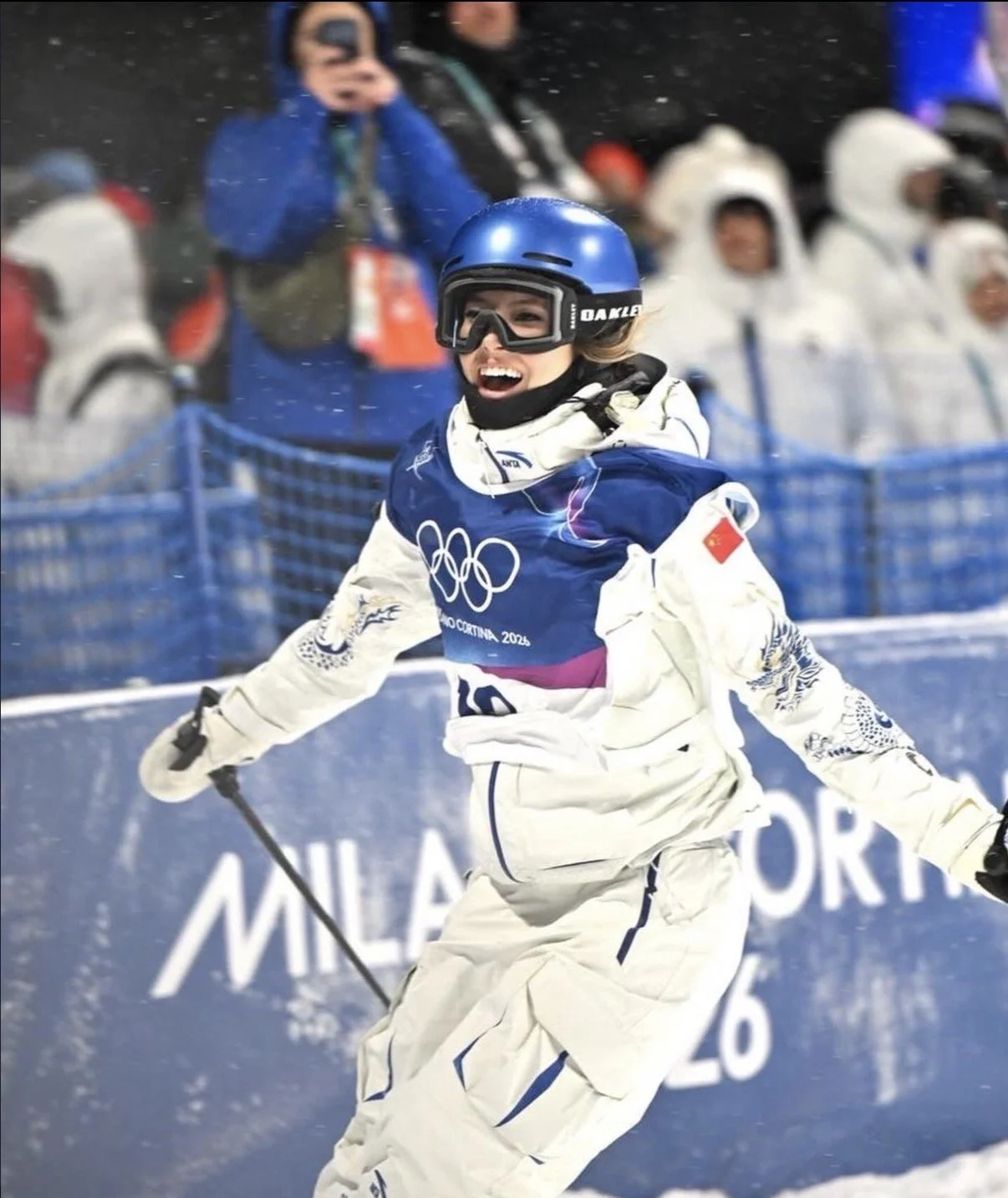
Take Eileen Gu, the Chinese American freestyle skier who competed for Team China. Gu became a lightning rod for criticism in the United States after choosing to represent China. Many American critics framed her decision as a betrayal, questioning her cultural loyalty and identity.
Yet from a logical standpoint, her decision could very possibly have been made on the basis of opportunity. China had offered her better sponsorship deals, access to a massive consumer market, and a chance to grow her identity. For elite athletes, whose careers are short and physically demanding, maximizing opportunity is not only reasonable, it is necessary. With many sports deals, especially the Olympics, nationality can become intertwined with business.
What these critics have ignored is that male athletes have made similar decisions without the same backlash.
Different Standards, Different Reactions: Gus Kenworthy Vs. Eileen Gu
Now compare this to the British-American skier, Gus Kenworthy, who chose to represent Great Britain instead of the United States. Unlike Gu, there wasn’t a debate/widespread outrage and questioning of his loyalty. His decision to represent Great Britain was largely met with understanding and even support. A lot goes into this contrast, making it very telling. Other than being a male, Kenworthy did not choose a country that the U.S views as a geopolitical rival. These factors shaped the public response. This frames his decision as personal and strategic, while Gu’s decision was framed as political and controversial.

This difference reveals how gender and global power dynamics intersect. The issue is not simply about nationality, but about who is allowed to make autonomous decisions without facing disproportionate criticism. The outrage directed at Gu’s choice was judged not just as an athlete’s decision, but as a symbolic act tied to gendered expectations.
The Burden of Female Visibility
Factors of the backlash against Gu also went far beyond logic. It became a blend of personal jealousy and gender-based division. Besides being an elite athlete, Gu is also highly visible: a Stanford student, a model, global brand ambassador, and has accomplished so much more. Basically, the perfect child that every Asian parent seeks. She represents a modern combination of success that blends intellect, beauty, and athletic dominance.
This combination disrupts traditional expectations and brings out a cultural discomfort which arises when a woman excels across multiple domains. As a result, instead of being celebrated, her success invites suspicion. Criticism begins to shift away from her athletic performance and toward her identity.
This reflects a broader pattern. Women in sports are often expected to succeed, but not too loudly or not too confidently.
Women Team Sports
Beyond individual athletes, let’s take a look at the United States Women’s National Ice Hockey Team. The team has consistently proved themselves by delivering dominant performances, resulting in their Olympic success of winning Gold in the 2026 Milan Cortina Olympics. Their success results in the same level of national pride in men’s sports. With the United States Men’s National Ice Hockey Team also winning Gold, public attention and discourse continued to center the men while the women’s accomplishments were treated as secondary. This was seen through the political commentary discourse that occurred with President Trump, overshadowing the recognition of the women’s victory. More often than recognized, women’s success is minimized. With both teams winning Gold, the contrast reveals a persistent hierarchy in sports culture where men’s victories get prioritized. Why is it that women not only have to fight to win Gold but also equally in these settings?
The Sexualization of Female Athletes
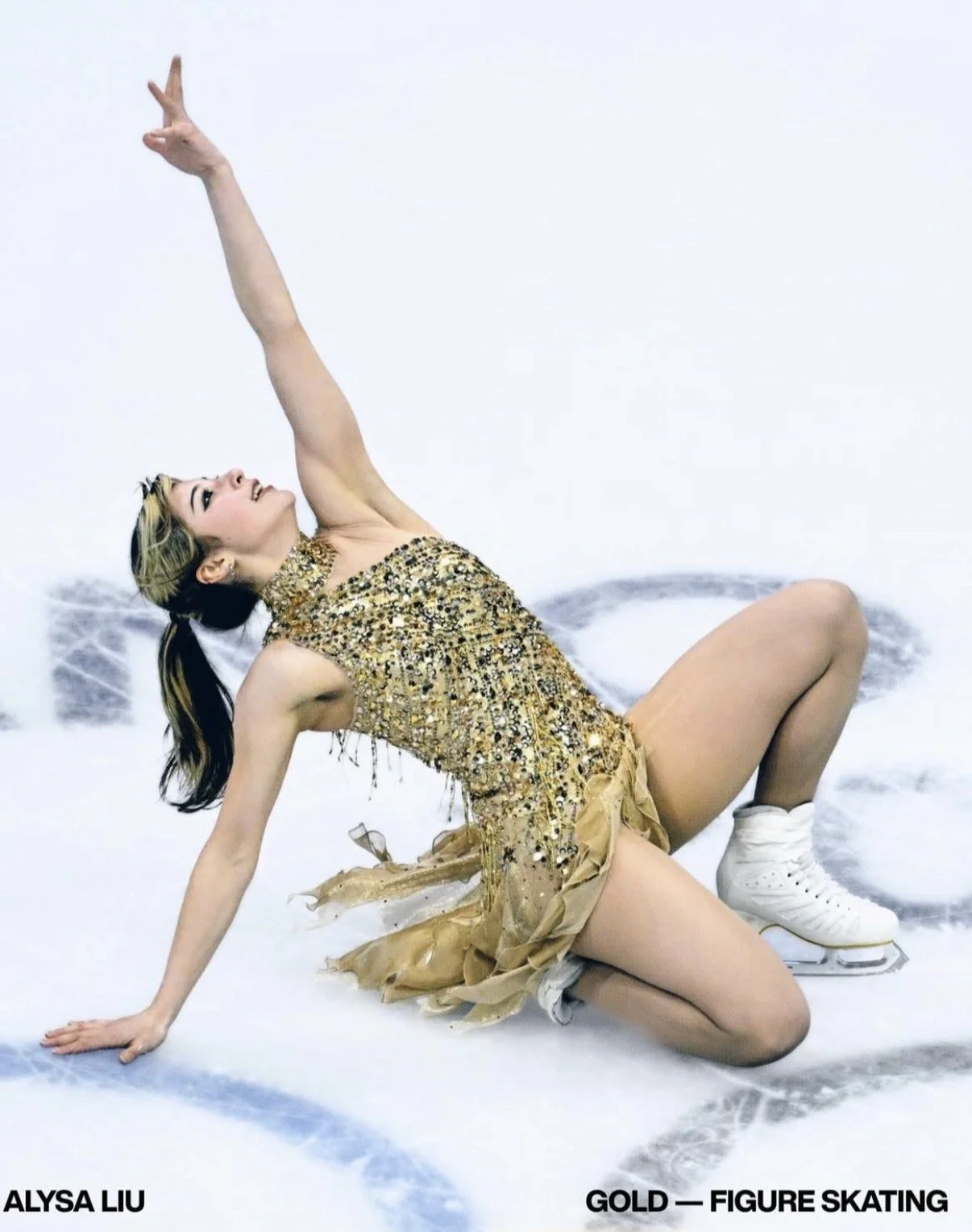
As if fighting for equal respect isn’t difficult enough, female athletes face an additional burden. How their bodies are presented and perceived. In sports like gymnastics and skating, women are often required or strongly encouraged to wear tight leotards that emphasize form and appearance. Although regulations have begun to shift in the States, this expectation remains embedded in the culture of the sport. Female athletes who choose attire that offers more coverage have historically faced penalties or criticism, reinforcing the idea that aesthetics are part of performance.
In comparison, male athletes are not subjected to the same standards in these sports. Their uniforms prioritize function over appearance. This disparity reinforces the idea that female athletes are both competitors and visual subjects, evaluated not only for skill but for their look while performing.
The Burden of Being “Everything”
These layered expectations create an impossible standard: not only are women expected to be exceptional, but they also must maintain a certain image. They must win and represent their country, but be likable in all aspects. Practically having to check every single checkbox.
And when they do succeed athletically, their achievements are often reframed through appearance, personality, political meaning, or whatever topic can cause discourse. When men succeed, on the other hand, the focus remains on their performance. This imbalance shapes how audiences interpret success and who they choose to celebrate.
At its core, this double standard reflects the preservation of hierarchy. There is an unspoken resistance to shifting power, whether that is a woman dominating her sport or an athlete pursuing opportunities outside of traditional national expectations. Those who challenge the norm are more likely to face scrutiny. Female athletes, especially those who break multiple norms at once, become symbols of that disruption. Until these double standards are addressed, women in sports will continue to compete on two stages.