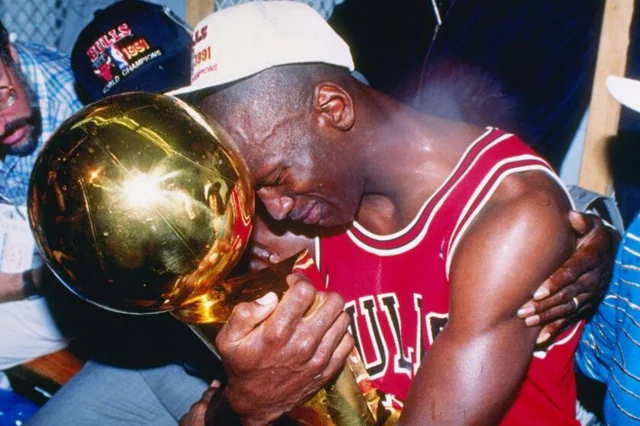
Grown Men Don’t Cry; But Athletes Do
“Grown Men Don't Cry”
We’ve all heard this phrase growing up. We are told from a young age that crying is often a sign of weakness; children are often told to “man up”, “suck it up” or “deal with it”, to hide their true feelings and to “grin and bear it”. Society publicly shames and mocks people for showing emotional vulnerability, and values of toughness, stoicism, and confidence are routinely praised and celebrated. Crying, and emotion in general, are deemed as the antithesis of everything it means to be masculine.
On the other hand, a key stereotype of being masculine is to be an athlete. We often see in high school sitcoms or coming of age movies the stereotypical archetype of the jock: a figure of an athlete that embodies boldness, arrogance, and physical strength. The athlete becomes a symbol of toughness and control, being able to regulate their expressions, hide their pain, and exert their dominance over others. Masculinity and sports have long been intertwined, and the concepts of power and bravado make up the basis of what it means to be great.
But here is where we reach a paradox in our assessment of masculinity and toughness.
Beneath the spectacle of competition and contests, sports reveals something that no statistic can measure: genuine human emotion. The greatest sporting moments aren’t defined by dominance or perfection, but by feeling. Sports aren’t solely defined by masculinity, instead they seek to fight against the stereotype, and serve as a reminder that emotion is a quintessential factor in our everyday lives.
***
On June 22nd 2025, the Oklahoma City Thunder defeated the Indiana Pacers 103-91 in Game 7 of the NBA Finals, winning their first ever championship in franchise history. Whilst the Thunder were celebrating their victory, the Pacers were understandably despondent. They were a team that nobody expected to make the playoffs, let alone reach the finals. They had come so far, upsetting teams more favored, being part of comeback victories, and witnessing last second game winners. They went toe to toe with the best team in the league throughout the finals, pushing them all the way to a Game 7 when the Thunder were expected to just brush them aside. When their star Tyrese Halliburton went down early in Game 7 with a torn Achilles, they still kept the game close, but eventually and devastatingly ran out of gas.
They felt like a team of destiny, and it understandably hurt when they just fell short.
As the Pacers returned to their locker room, the players were still visibly distraught, with many in tears. However, one player in particular stood out from the rest.
TJ McConnell has taken the long road to get to this point. He wasn’t the tallest player, nor was he as offensively talented or a great shooter as other prospects. As a result, he wasn’t highly recruited during his college career, and went undrafted in 2015.
But McConnell separated himself from other players through pure grit and hard work. After signing a summer league deal with the Philadelphia 76ers, he outworked and outhustled other players to earn a spot on the 76ers’ main roster. He became part of the bench unit for Philadelphia, and helped them drive towards relevancy again. However, the 76ers chose not to renew his contract in the 2019 offseason, so McConnell signed with the Indiana Pacers in free agency. Despite the Pacers slowly falling out of their playoff window, McConnell contributed as a valuable scorer off the bench, bringing his hustle and effort to reset the culture during the rebuilding years.
When the Pacers got to the playoffs in 2025, McConnell showed what he could do in bigger moments. Now a 10 year veteran at age 32, he brought his feisty and dogged tenacity to set the tone for his team, constantly driving to the basket to score and forcing the opposition to turn the ball over with his overwhelming motor. In Game 7, when Halliburton went down with the Achilles tear, McConnell stepped up when his team needed him the most, scoring 16 points. At one point during the game, he was the only source of offense, scoring 10 straight points for the Pacers. Yet unfortunately it was all in vain, as the Pacers fell to the Thunder in Game 7.
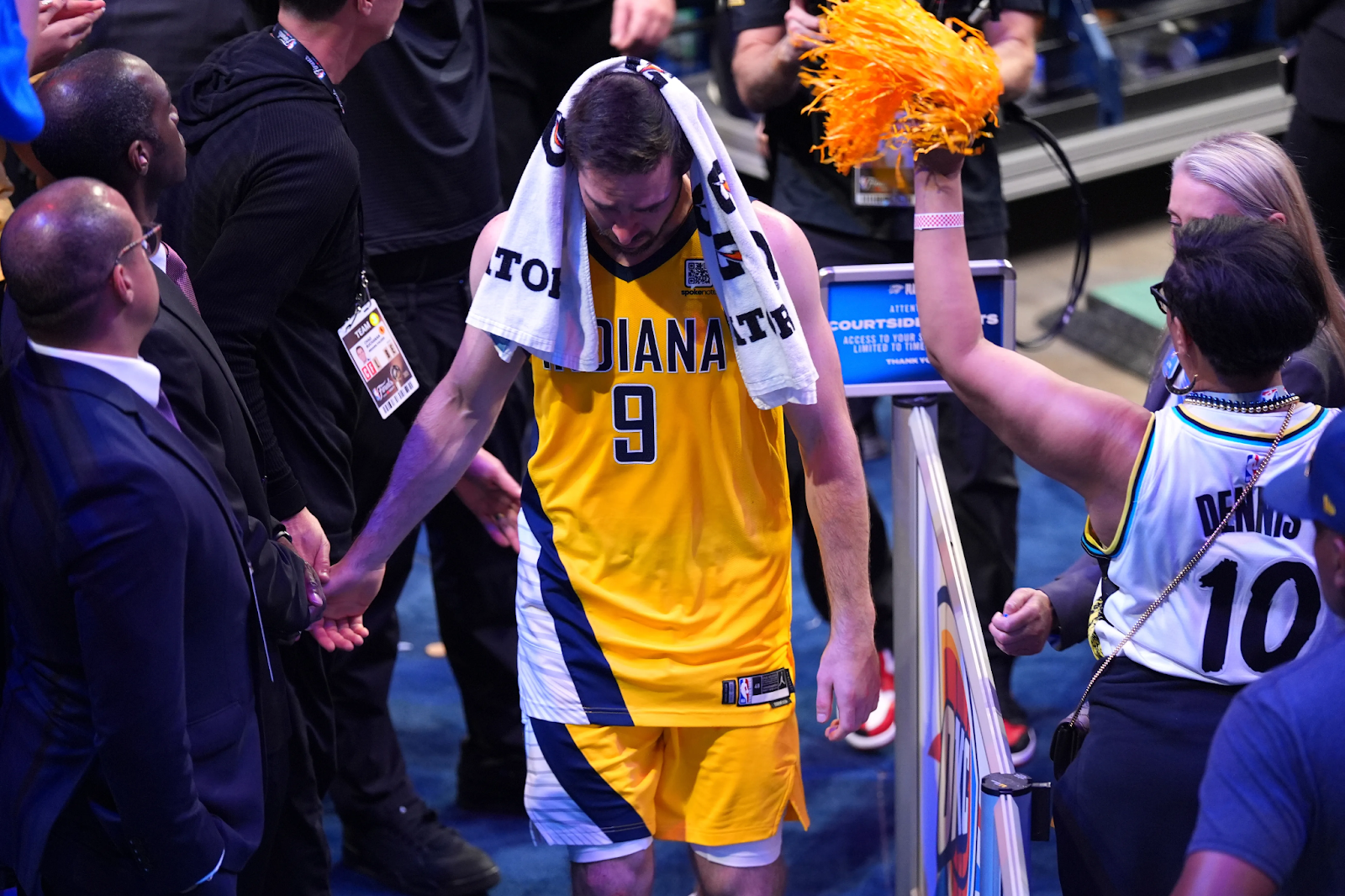
TJ McConnell apologized to the fans for coming up just short, but at the same time, also promising them that they would be back. But reality soon sets in; despite playing some of his best basketball of his career, McConnell walked away empty handed, and knowing how far he has come, and how hard he has worked, his best and possibly only shot at a ring being over in such a way, stings even more.
Pain and sadness often serve as lightning rods for emotion to rise. But let us look at the other side of the coin. Where emotion emanates from elation and euphoria.
On June 9th 2001, the Colorado Avalanche defeated the New Jersey Devils 3-1 in Game 7 to capture their 2nd ever Stanley Cup. In hockey, tradition dictates that the captain of the winning team is the first to hoist the Stanley Cup. Yet in this case, something extraordinary happened. As Avalanche captain Joe Sakic collects the trophy, he doesn’t raise it, but instead skates over to defenceman Ray Bourque and hands him the cup instead.
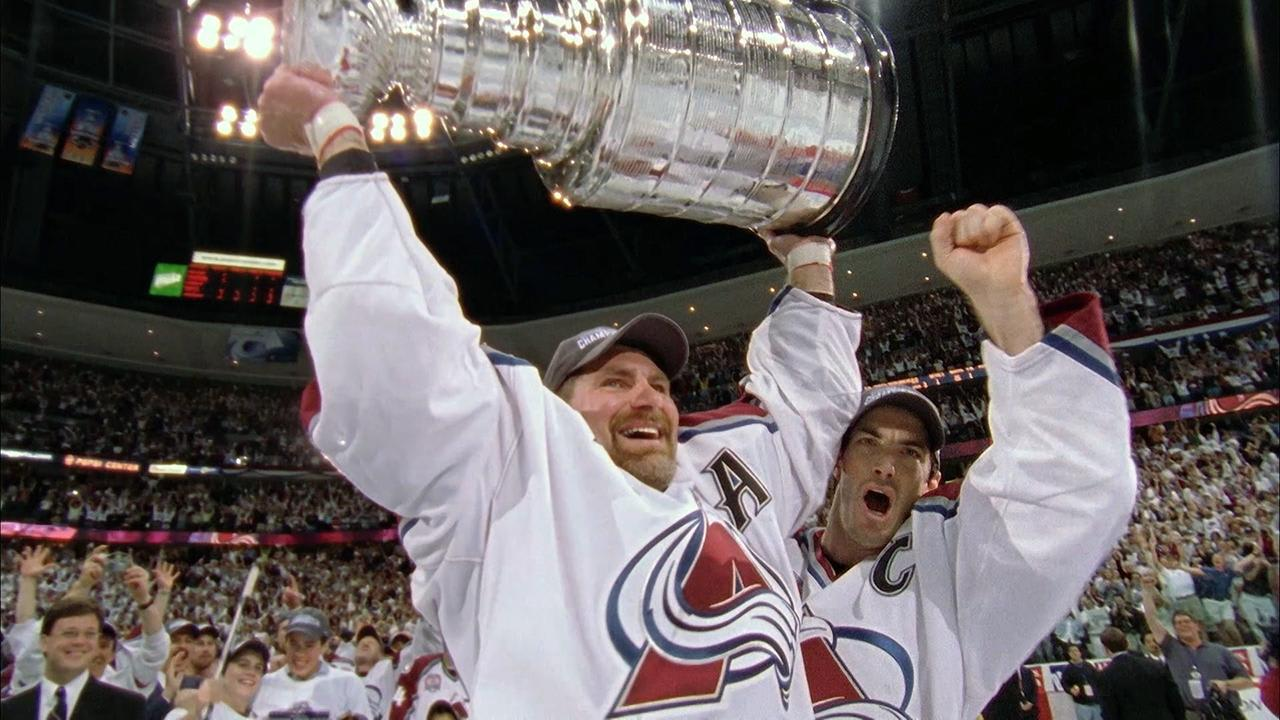
Ray Bourque was drafted in 1979 by the Boston Bruins. Over the next two decades, he would blossom into the face of the franchise. He became a five-time Norris winner, a perennial All-Star, and a leader on and off the ice that embodied what it meant to be a Bruin. His ability to shutdown opponents whilst producing offensively made him one of the best defenseman in NHL history. He carried the weight of expectation and surpassed it, and was the symbol of loyalty with his unwavering commitment to the franchise and the city. By the end of his time in Beantown, he would become Boston’s all-time leader in points scored and games played, records that still stand to this very day.
But no matter how great he was, no matter how much he carried Boston, the team always fell short, and the Stanley Cup eluded him.
During the 2000 NHL trade deadline, with the Bruins trending in the wrong direction, Boston decided to give their captain his best and final chances of winning the cup, as Bourque was traded to the star-studded Colorado Avalanche with only one purpose in mind: to win. But in the playoffs, Colorado fell short of the finals, losing to the Dallas Stars in a 7-game series. Bourque contemplated retirement, but was convinced into giving it one more go, hoping to achieve the story book ending.
And just over a year later, that storybook ending was achieved, and after 22 long and grueling years, and at age 40, Ray Bourque finally lifted the Stanley Cup. As Bourque raised the cup, his face said everything words could not. Understandably overcome with emotion, Boruque’s tears were defined by the sheer weight of the moment and the long wait that it took to see a dream come true.
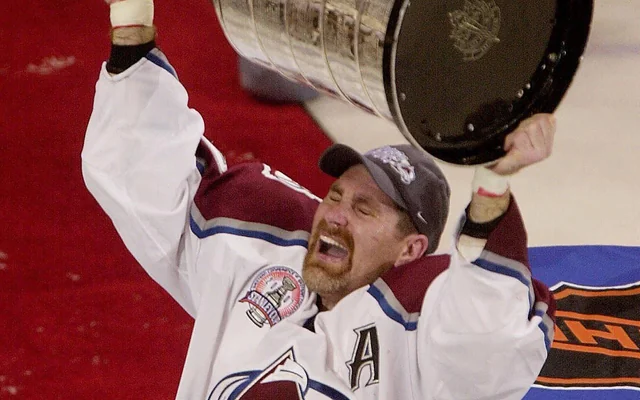
Indeed, a fairy tale ending for a legend serves as an emotional moment.
On April 10th 2019, the San Antonio Spurs hosted the Dallas Mavericks in both teams’ final game of the season. More importantly, it would be the final game of NBA legend Dirk Nowitzki’s career.
Drafted in 1998, Nowitzki had spent all 21 years of his career playing for the Mavericks, leading them to an NBA championship in 2011, winning an MVP in 2007, and becoming the all time point scorer for the Mavericks and amongst international players. He became the embodiment of loyalty, and the face of the league’s evolution, as his ability as a big man to shoot from distance changed the way the league played.
At the same time though, Nowitzki was a fierce competitor, and a constant thorn in the side of the rival Spurs. During the German’s time in the league, the Mavericks and the Spurs played each other 6 times in the playoffs, with San Antonio winning 4 of the matchups and Dallas winning 2 of them. These two teams battled each other numerous times and grew to despise each other, and Nowitzki was an ever present figure in their encounters.
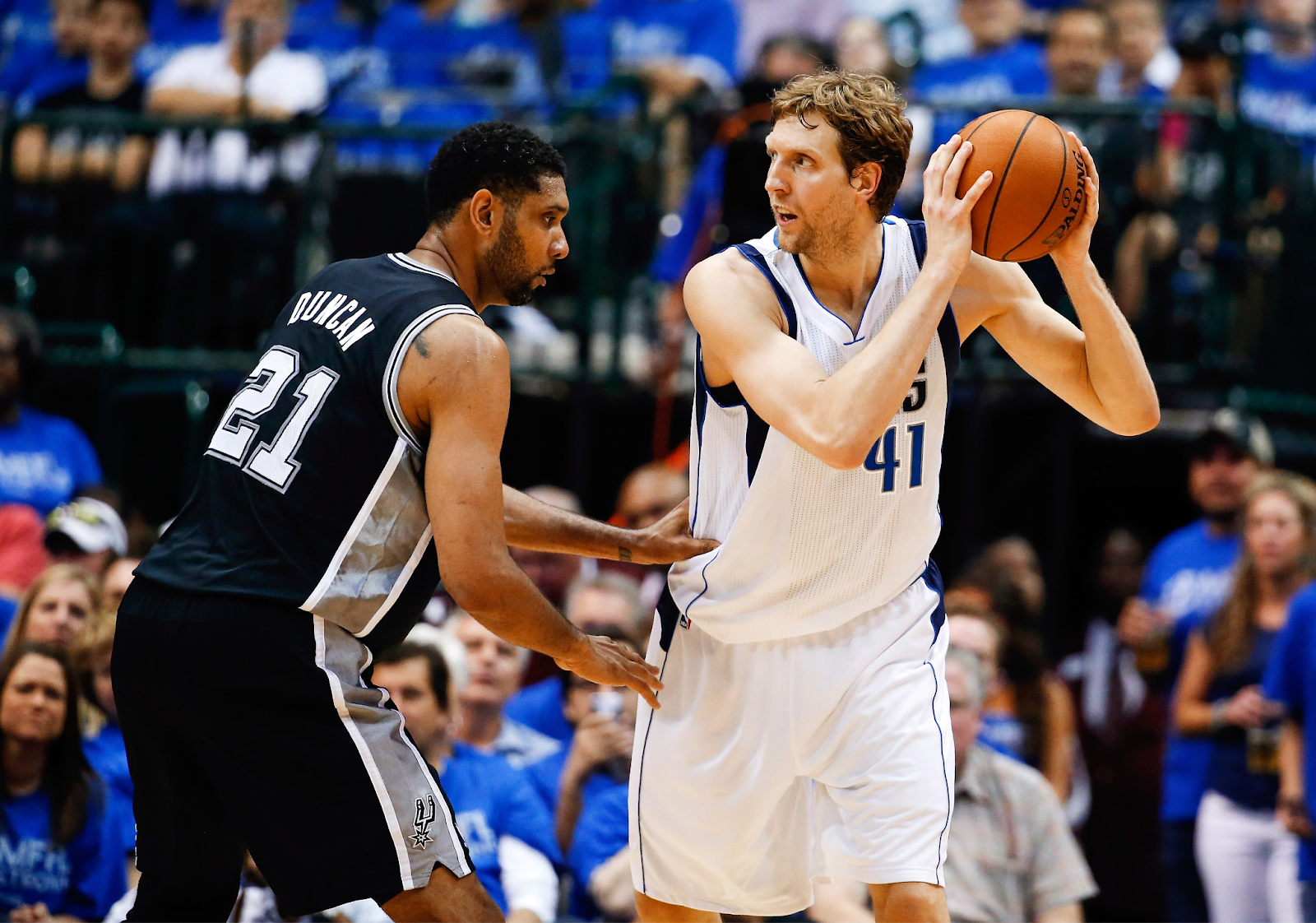
But tonight, against their hated rivals, the Spurs did something that no one expected. They showed a video tribute for Nowitzki. On the jumbotron, pictures, clips, and highlights of Nowitzki scoring against the Spurs were displayed, along with his career peaks and trophy triumphs, culminating in a message that said “Thank You Dirk!”.
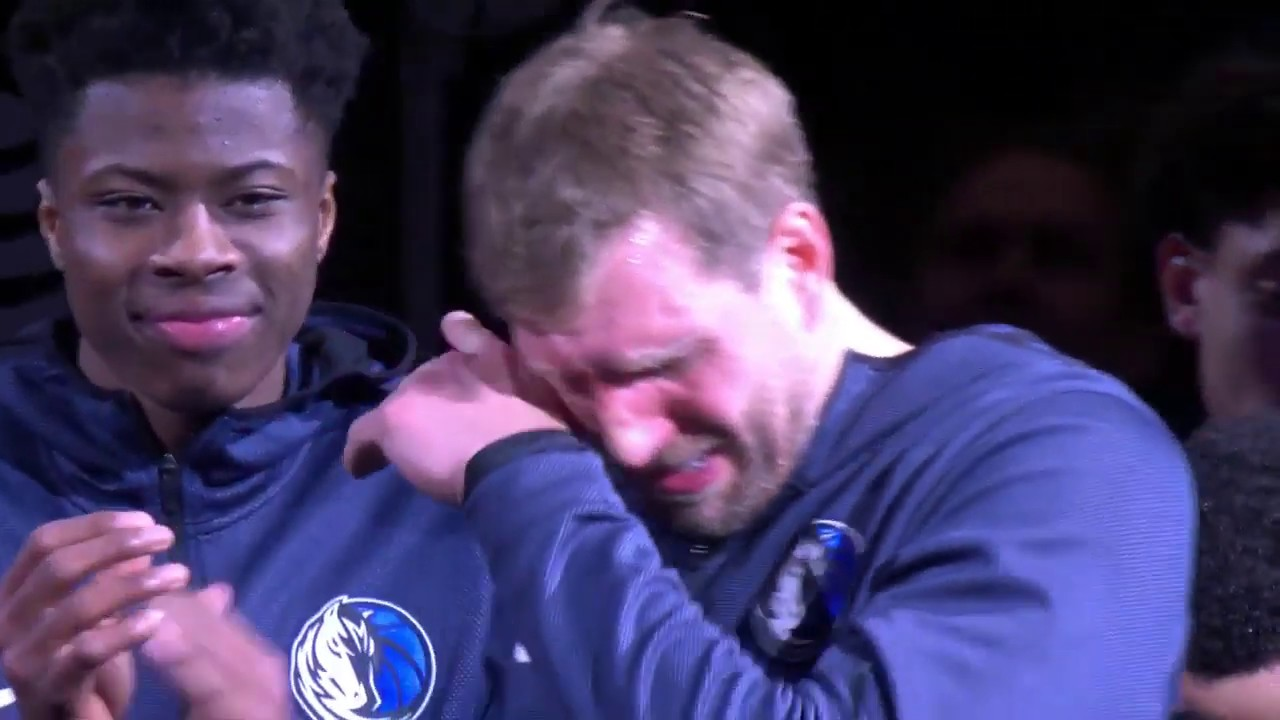
By the end of the video, Dallas’ greatest player of all time broke down in tears, emotionally touched by the act. Though they were bitter rivals, the Spurs honored Nowitzki and showed the level of respect that they had for him, and gave him the perfect send off into retirement.
But what of those who don’t get their fairy tale ending? What becomes of them?
On April 23rd 2011, the Portland Trail Blazers defeated the very same Dallas Mavericks 84-82 in Game 4 to even up the first round series at 2-2. After the game, Blazers guard Brandon Roy was interviewed, and throughout the whole sequence, he was visibly emotional, as his voice wavered and eyes welled up with tears. Roy had been the star of the night, dropping 24 points. But the moment meant much more than the box score alone.
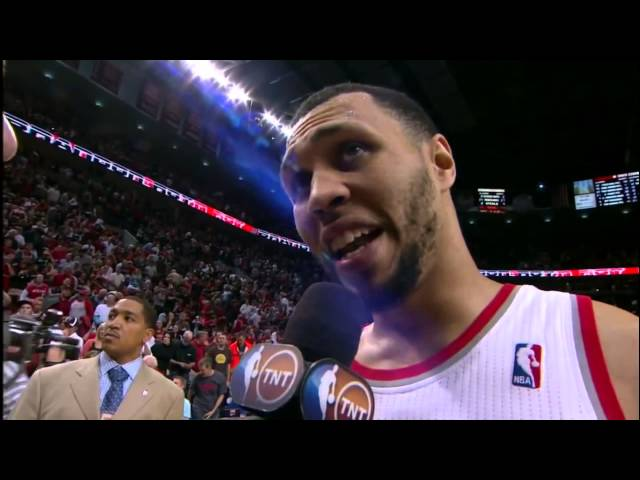
Brandon Roy was drafted by the Portland Trail Blazers 6th overall in the first round of the 2006 draft. At the time, the Blazers were a turbulent franchise, still recovering from their disastrous and controversial “Jail Blazers” era. Roy became the light for them, as his electrifying play and scoring ability won him Rookie of the Year and dragged the Blazers back into relevancy. He became their go-to star, leading them back to the playoffs, including a clutch buzzer beater against the Houston Rockets in 2009. He brought back stability to a franchise that desperately needed it, and restored a sense of pride and hope of a bright future.
However, Roy was constantly haunted by knee issues that had been troubling him since his college years. Due to a lack of cartilage, Roy’s knees degenerated to the point where he was constantly in pain and struggling to walk, and he struggled to stay on the court and contribute as he did in his early career. The explosiveness that was essential to his playstyle began to wane, and by 2011, injuries had broken Roy, now merely reduced to a shell of his former self.
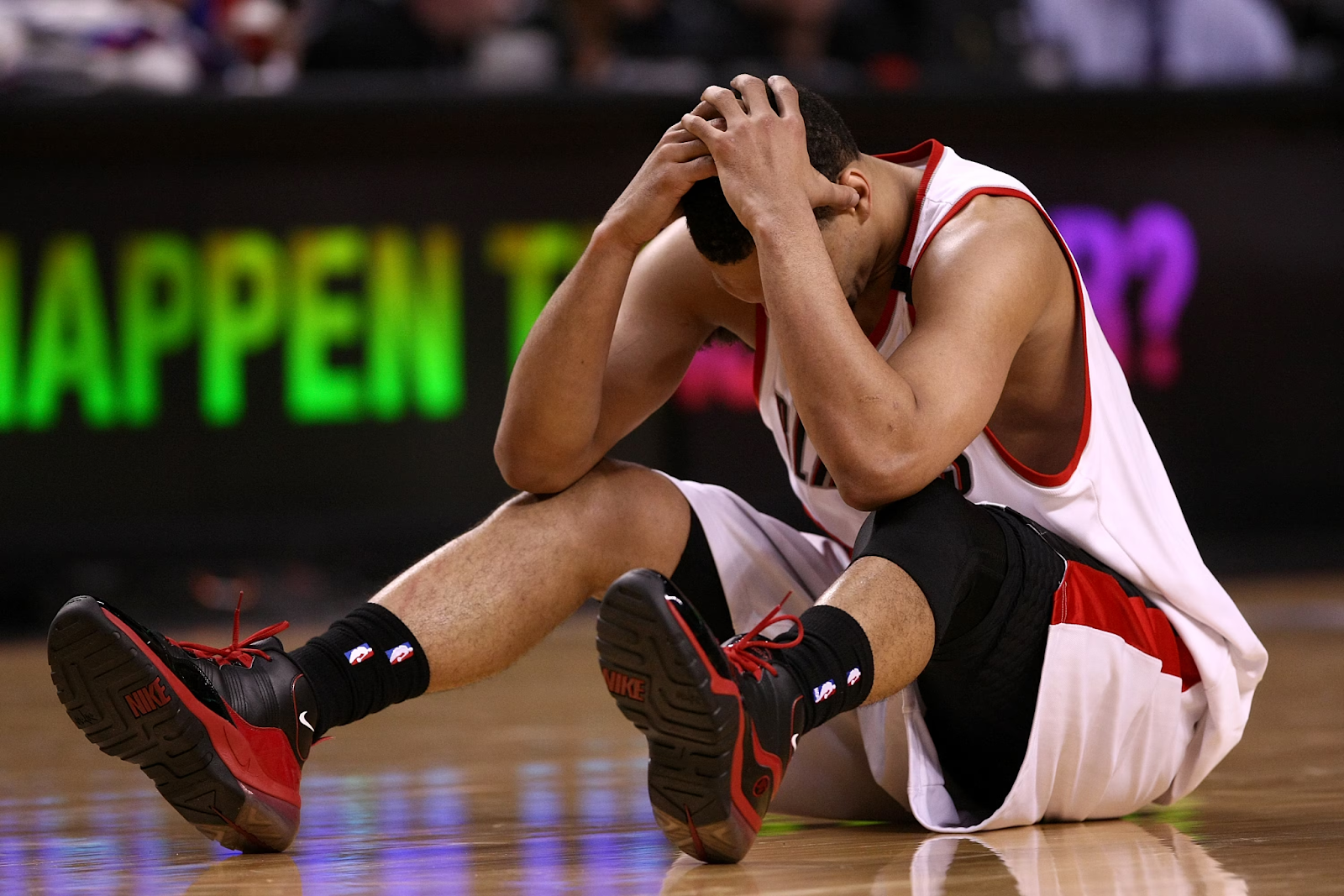
But on this very night, even though it was just for a moment, we saw the old Brandon Roy. The one who swagger and the style to score without effort. The one who carried his team when they needed him the most. The one who brought the franchise out of the darkness. The one who hit the game winner to lead his team back from a 20 point deficit.
Game 4 wasn’t just another phenomenal playoff performance; it was a time capsule that allowed us to see a glimpse of the player that Brandon Roy was. The 24 points scored weren’t just points in a victory; it was a fleeting memory of what Brandon Roy meant to Portland. Roy’s tears were his honest recognition that his body could no longer hold up, but it was also a moment of gratitude, that just for one night, he could relive the player he was. And that would be the final moment for him, as Roy retired in the 2011 offseason, coming to terms with his career. But to this day, Blazers fans still love him for what he did for the city.
Loss is something incredibly hard to stomach, and the grief that comes from it makes us act in the most incomprehensible ways. But at the same time, it can empower us to achieve acts that surpass our own expectations.
On September 26th 2016, the Miami Marlins hosted the New York Mets in a low stakes regular season game. It’s the bottom for the first, with no runs on the board, when Marlins 2nd base man Dee Gordon steps up against Mets pitcher Bartolo Colon. Colon has already thrown 2 balls at Gordon, and the pitcher gets ready to throw another pitch. But what happens next will be a bigger and more significant moment than any World Series victory.
In 2007, after 3 unsuccessful attempts, a 15 year old Jose Fernandez defected from Cuba with his mother and sister, reuniting with his father in Tampa. Along the way, in an act that defined who he was, he dove into the water to rescue his mother who had fallen overboard. He played baseball at Braulio Alonso High School and then at the University of South Florida, before being drafted 14th overall by the Marlins in the 2011 MLB Draft, being ranked as one to the top five best prospects in 2013.
In his debut against the Mets, he emphatically struck out 8 players, and he never looked back, finishing in the top 10 in multiple pitching categories, including finishing second in ERA and first in strikeouts per 9 innings, culminating in being awarded the Rookie of the Year award in 2013 and being selected to the All Star game. Becoming the Marlins starting pitcher, he continued his hot start in 2014 and 2015, but a Tommy Smith injury slowed him down. But when he returned in 2016, he picked up where he left off, going unbeaten in May and winning 8 straight starts prior to tonight’s game. He was a combination of power and precision, with a whole repertoire of pitches that struck fear into opposing batters.
But what made Fernandez truly special was his vibrant personality. He loved the game of baseball, charismatically embracing every opportunity he got to step onto the pitcher’s mound, with Marlins manager Don Mattingly stating that he "played the sport with infectious joy of a little kid". He was constantly smiling and joking, carrying a deep gratitude for the life of living his dream. He was loved by all in the Marlins community; teammates and coaches loved being around him, and fans adored and worshipped him.
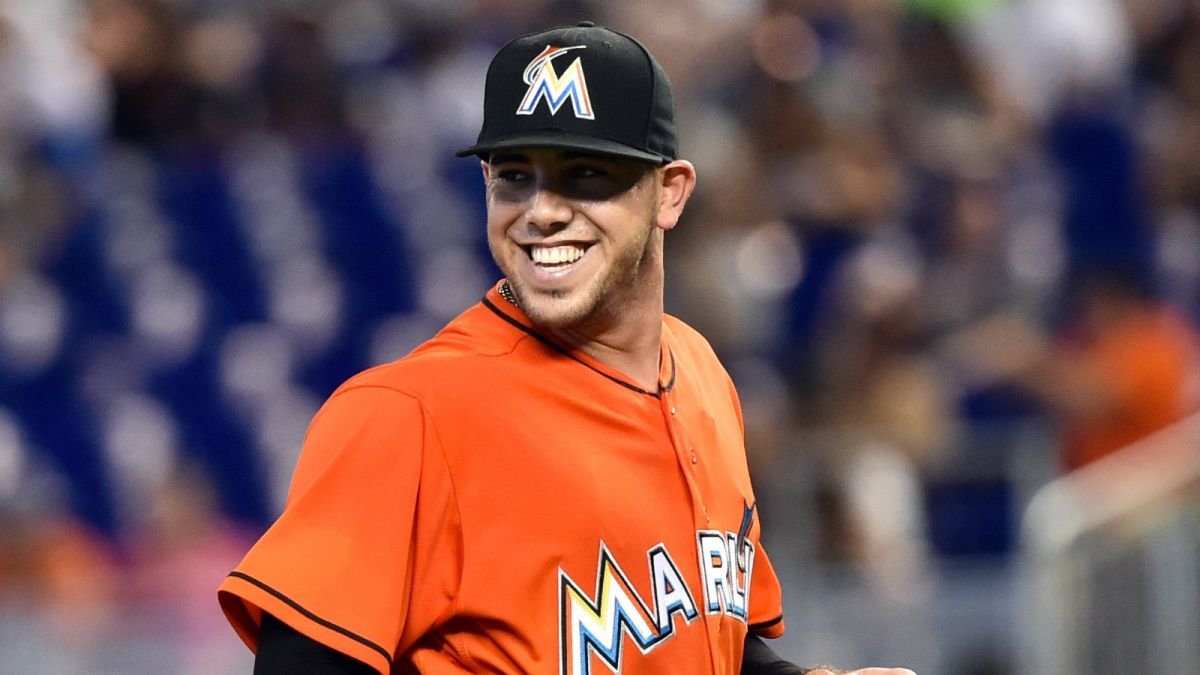
On September 25th 2016, Jose Fernandez was found dead in a boating accident. This news rocked the entire Miami community; he wasn’t just their superstar, he was someone who loved living life to the fullest. The Marlins, reeling from their loss, canceled their game against the Atlanta Braves. Many of the players were reeling in shock, as the pain of losing their teammate left them devastated. Prior to the game, team president David Sampson, alongside the entire team and coaching staff, stood before reporters and ensured that his story of hope and positivity would never be forgotten.
Ahead of the opening pitch, both teams honored Fernandez with a tribute and a moment of silence, as Marlins players fought through tears. Around the stadium, fans carried tributes and built memorials for Fernandez, and his number 16 was etched onto the pitcher's mound. On the mound, the players left messages to Fernandez, as every single one of teammates donned his jersey, carrying his memory in their hearts and minds.
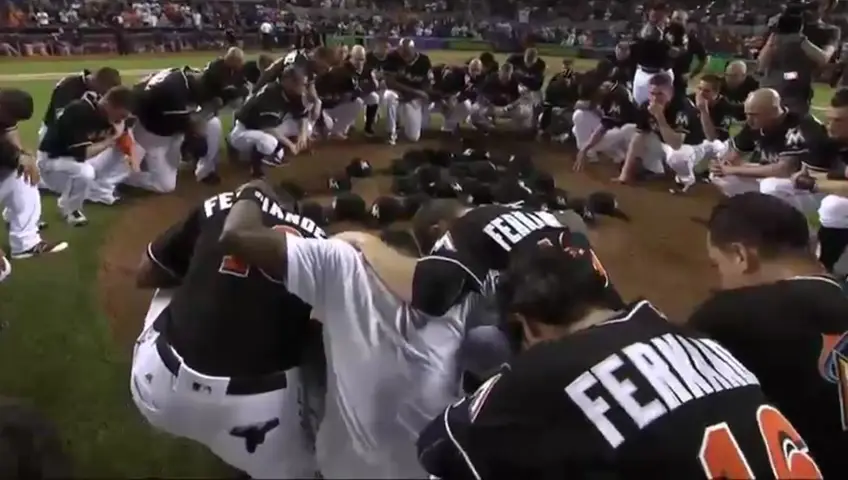
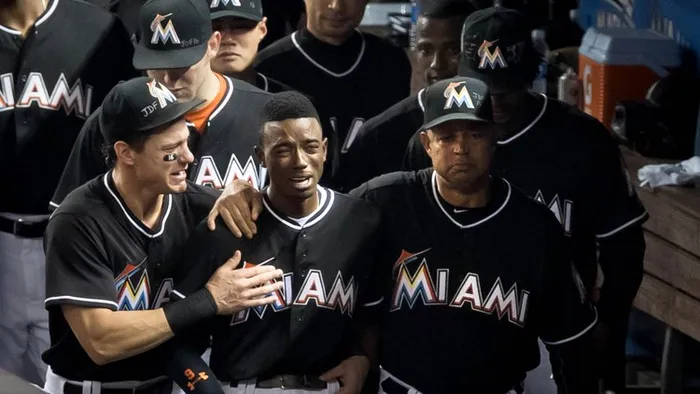
Dee Gordon was one of those teammates. Being acquired by Miami in 2015, he was known more as a speedster rather than as a big hitter. He was close friends with Fernandez, and when he heard the news, all he could do was crawl up in a corner of the club house and weep for his fallen teammate. Normally a left handed hitter, he honored Fernandez by taking the first pitch on the right handed, copying his teammate’s stance and wearing his batting helmet. Now, he stood at the plate, with Fernandez’s name and number on his back, preparing himself for the 3rd pitch.
Colon threw the pitch. Gordon swings at it. And he hits it. The ball soars over the right field wall and into the stands.
Dee Gordon had just hit a homerun.
As he rounded the bases, Gordon could no longer contain his emotions. By the time he reached home plate, he, and the rest of the Marlins bench, were overcome with tears. They weren’t celebrating the score; they were celebrating the life and the memory of Jose Fernandez, a man that had meant so much to each and every single one of them, and would continue to serve as an inspiration for them.
On May 11 2014, the New York Rangers hosted the Pittsburgh Penguins at Madison Square Garden in a pivotal Game 6 of the 2nd round of the Stanley Cup Playoffs. The Rangers were down 3-2 in the series, needing a win at home to keep their season alive, but they were going against a juggernaut of a Penguins team who were led by the best player in the world in Sidney Crosby. However, this game carried much more weight for one particular player.
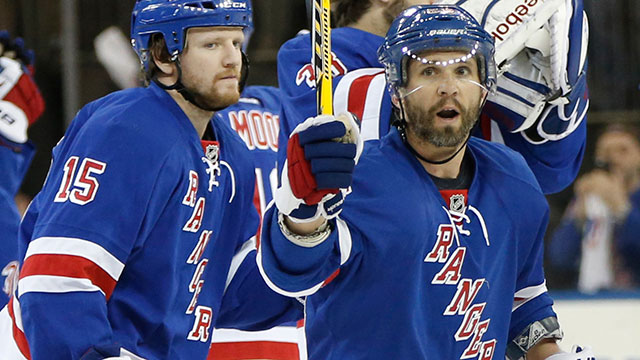
Martin St. Louis, though merely standing 5.8 ft, was the leader and heartbeat of the Rangers team. On May 8th 2014, his mother, Frances St. Louis suddenly passed away from a heart attack. St. Louis understandably left the team to be with his family and attend the funeral. But miraculously, in an act that served as a testament of the type of competitor he was, St. Louis rushed back to join the team ahead in Game 5, helping them stave off elimination with a 5-1 win in Pittsburgh.
Early in the first period, the puck is fired by Anton Stralman towards Marc–Andre Fleury, and the Penguins goalie kicks it out. Derek Stepan backhands the rebound towards the net, where the puck falls to a wide open Martin St. Louis.
An important thing that I haven’t mentioned yet, was that Game 6 fell on Mother’s Day.
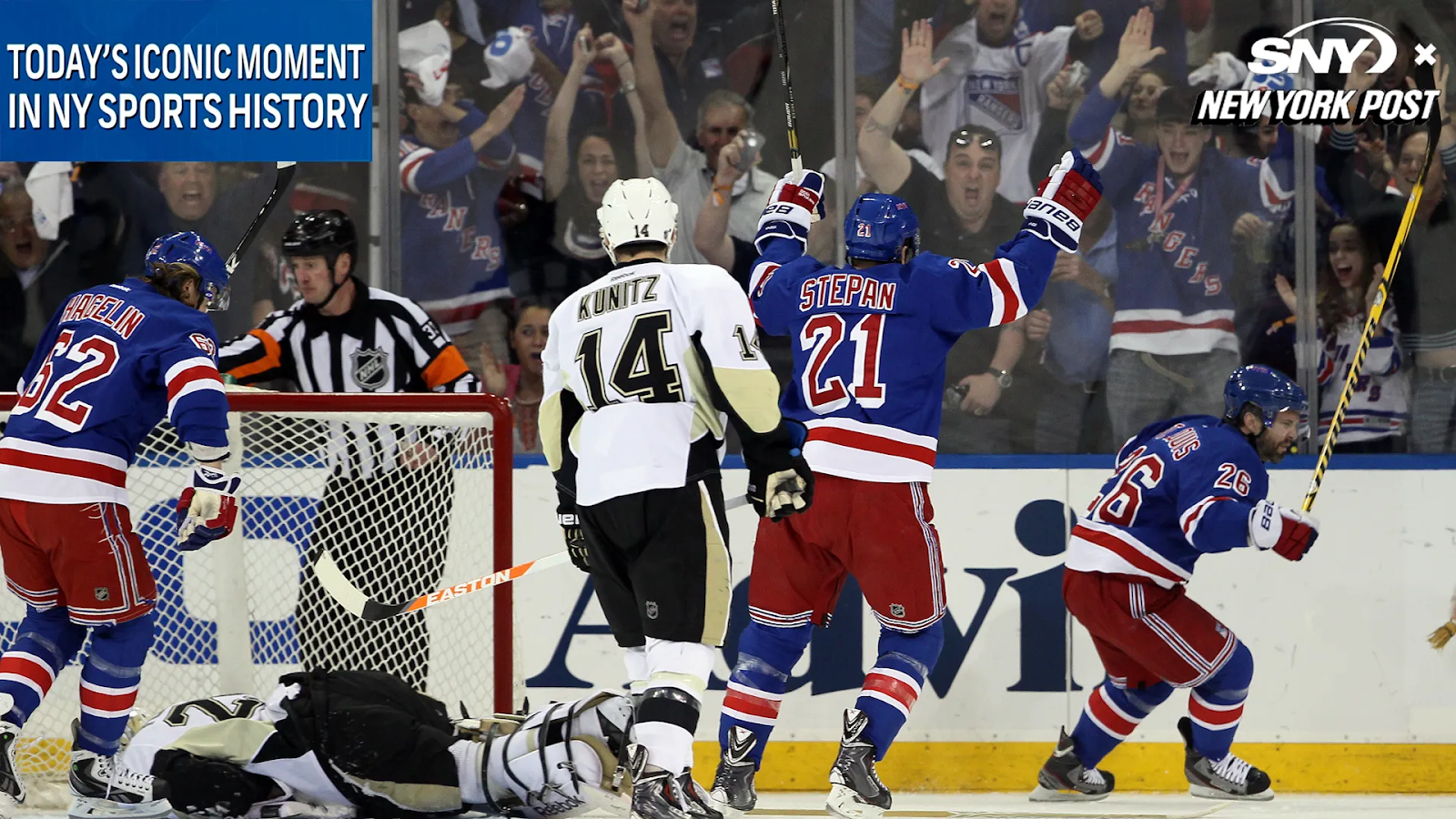
Martin St. Louis buries the puck into the net, and he visibly lets out all his emotions, emphatically slamming his stick against the boards in celebration, and dedicating that goal to his mother.
With that goal, the entire momentum of the series flips. The Rangers dominated the Penguins in Game 6 in a 3-1 win, and they would take the series in Game 7 with a 2-1 win, upsetting the heavily favored Penguins. A moment fueled by emotion and grief, changed the entire outlook of the series, and it gave the Rangers the momentum that would take them all the way to the Stanley Cup Finals.
Sometimes it goes beyond individual people. Sometimes a team, a city, or a country means more to a player than anyone is able to fathom.
On March 2nd 2017, the Montreal Canadiens hosted the Nashville Predators at Bell Centre in a normal regular season game. Both teams were playoff bound, so there wasn’t anything at stake, but this match-up still carried major significance; it was the first time that defenseman PK Subban would be returning to Montreal.
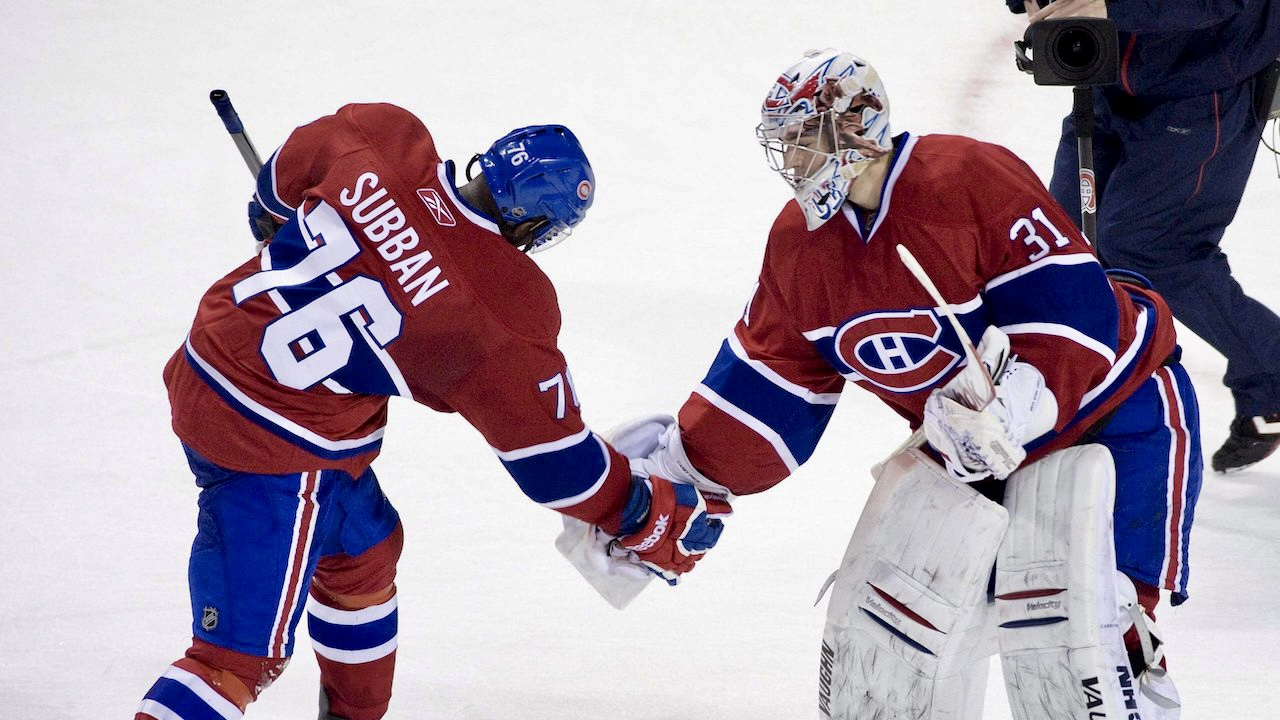
PK Subban was drafted by the Montreal Canadiens in the 2nd round of the 2007 NHL Draft. In a market that demands the absolute best from its players, and for a city that treats hockey as a religion, Subban absolutely delivered. He hit the ground running, joining the team for the 2010 playoffs, and becoming a reliable part of the defense core that made it all the way to the Conference Finals. He continued to develop as an exciting player to watch: a smooth-skating and all-action offensive defenseman that could electrify arenas. His blistering slap shot made him a constant threat on the powerplay, and his physical play clobbered opponents. His joyful, bold, and expressive personality made him beloved by the fans, and his pride in who he was made him into an inspiration for others to follow. He would go on to win the 2013 Norris Memorial Trophy as the best defenseman in the NHL, and served as the backbone of many playoff runs for the Canadiens.
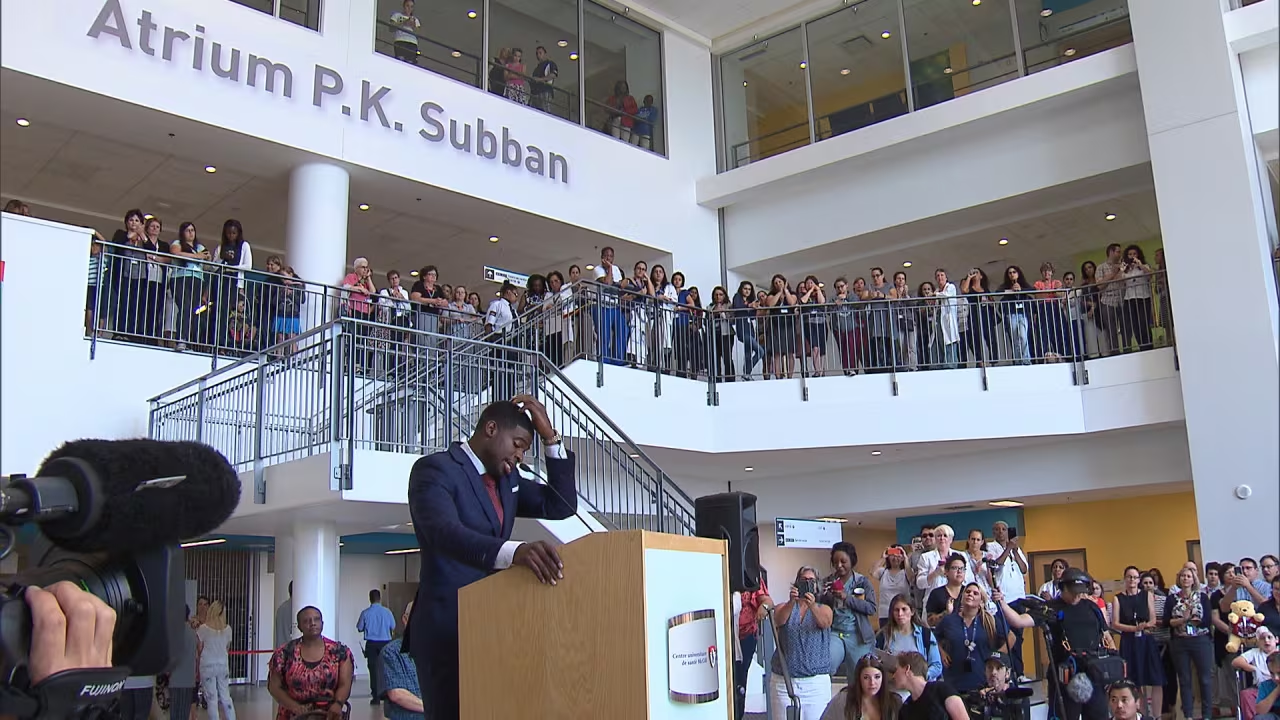
But Subban’s true impact was most felt off the ice. On September 16th 2015, Subban made a pledge to raise and donate $10 million for Montreal's Children’s hospital by 2022. He subsequently became a spokesperson for the hospital, and further established “PK's Helping Hand” to further help 9,000 each year receive the necessary care despite financial hardships. The hospital declared it "the biggest philanthropic commitment by a sports figure in Canadian history". This move was a commitment to the city he loved, a city that embraced him, and one that he embraced back.
Yet despite how much he contributed and how dedicated he was to the Canadiens franchise and to the city of Montreal, the legacy that he had built would be torn down and his heart would be broken with a single move.
On June 29th 2026, PK Subban was traded to the Predators in a one-for-one swap for Nashville’s captain Shea Weber. From the minute it was announced, this move was absolutely panned by the fans and the media; it made absolutely no sense from a hockey perspective, as Weber was much older, less productive, and had a longer and more expensive contract than Subban. Rumors spread behind the scenes that the trade was made due to political reasons, that Subban has clashed with the culture that the Canadiens’ ownership and management wanted to set for the team, and that they believed that Subban’s expressive nature and lack of “French-Canadieness” did not fit their vision. Fans, however, didn’t see it that way; they felt betrayed and heartbroken, as their superstar loved playing for the city was shipped off like it was nothing.
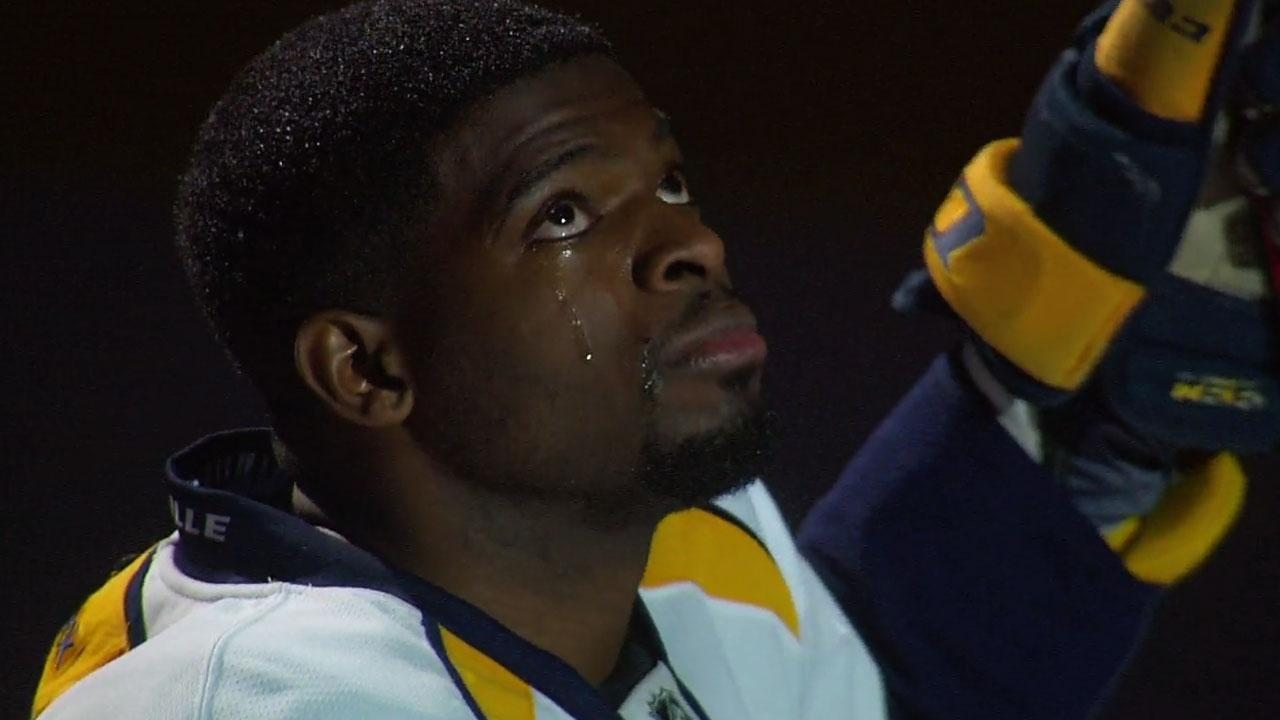
So, of course, the game was going to be an emotional affair. The second Subban stepped on ice for warmups, the fans cheered and serenaded their former player. Prior to the game, when the players lined up on the ice, a video tribute was played, showcasing all that Subban had achieved in Montreal. When the video was over, and the words “Welcome back PK!” were shown on screen, Subban’s name was echoed around the arena. Standing there on the ice, PK Subban couldn’t hold it in any longer. Eyes red, he had burst into tears , as fans continued to cheer his name.
At that very moment, Subban came home. And the fans still loved him like he was still one of their own.
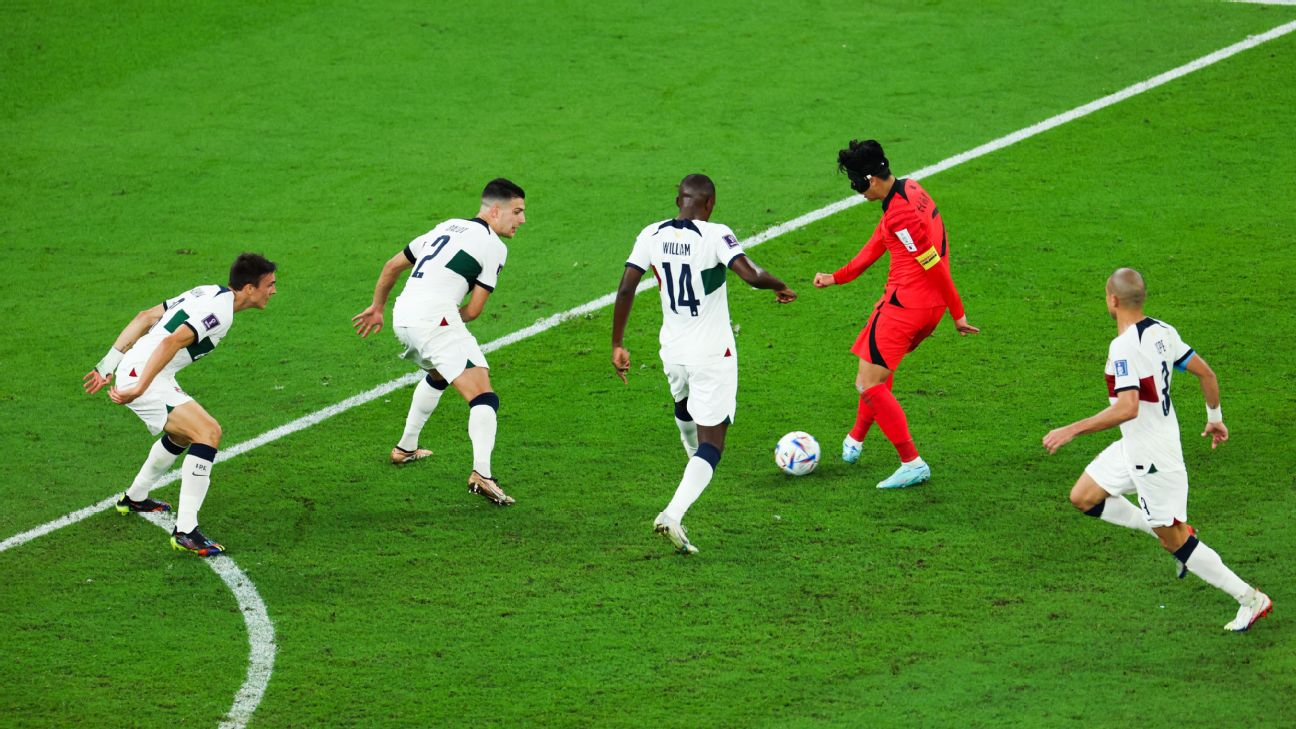
On December 2nd 2022, South Korea was playing Portugal in the Group Stage of the 2022 World Cup. With the scores tied 1-1, South Korea needed a win to ensure that they would advance to the next stage. With the final minute of the game, a ball is whipped in from a Portuguese corner, but it gets cleared away from the South Korean net. An opportunity opens up, as captain Son Heung Min gets to the ball first, dashing the other way for a quick counter attack. Being surrounded by 4 Portuguese defenders, Son wires an inch-perfect pass to Hwang Hee Chan, who fires the ball past Diogo Costa and into the Portuguese net. South Korea have just scored the winning goal, and with the 2-1 win, they move onto the knockout stage of the World Cup.
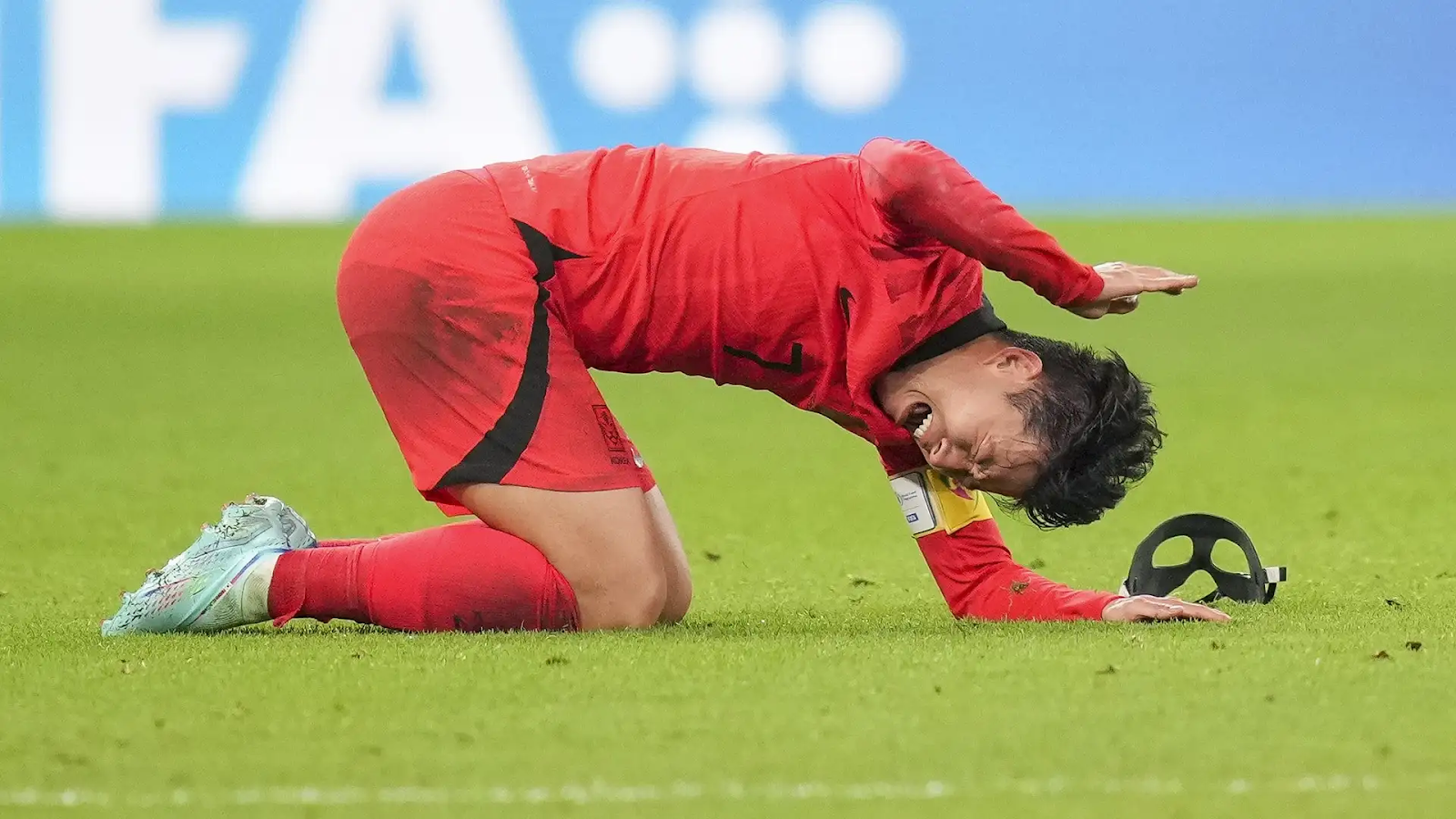
When the full time whistle blew, Son threw off his mask, and slammed to the ground, clutching his face as tears of joy flowed from his eyes. It was the release of joy, of pride, of pressure being finally off of his and his teammates’ back.
Son Heung Min is without a doubt the greatest Asian player of all time. Prior to him, there weren’t many Asian players who made the jump to European leagues. There was a stereotype amongst European teams that Asian players were not physical enough nor strong enough to compete at their level, an assumption that was rooted in deep-seeded racism.
Son challenged that, being one of the few who first took the risk, joining Hamburg in 2008 at the age of 16. He got his start there, scoring 20 goals across 3 seasons, before moving to a larger German club in Bayer Leverkusen, scoring 29 goals in 2 seasons and playing in more prestigious competitions. In 2015, Tottenham Hotspur signed Son from 22 million euros, becoming the most expensive Asian player in history. Over the course of 10 seasons, he would score 173 goals, ranking 5th all time in their goal scoring rankings, and ending their 17 year trophy drought in his final year.
On the international stage, it was a different story. Bar a gold in the Asian Games, South Korea had historically struggled during Son’s time with the national team. The World Cup in particular was a struggle, as during both the 2014 and 2018 editions of the World Cup, South Korea finished at the bottom of their ground, and Son shouldered most of the burden.
Every time Son stepped onto the pitch, he was playing for a country that saw itself in him. A player who had defied expectations. Who had endured pressure at every level. Who had become a symbol of possibility. He was the inspiration that many others like him looked up to.
So when he celebrated his team’s victory over Portugal and fell to the ground in tears, it wasn’t just about one match. It was about everything it took to get there. It was the expectations he carried and he delivered. It was the weight of an entire nation that rested on him being lifted.
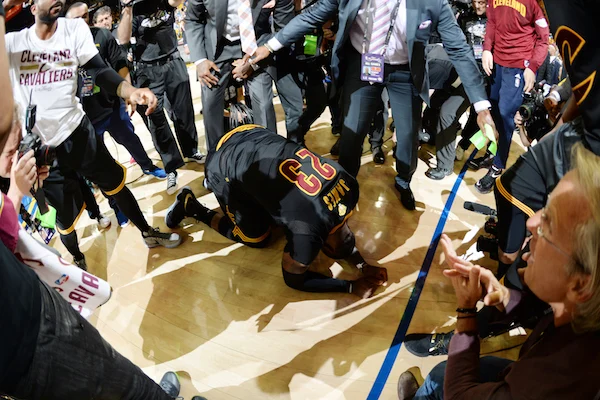
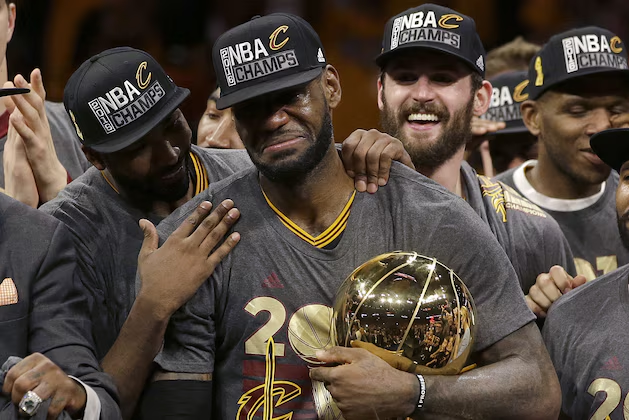
On June 19th 2016, the Cleveland Cavaliers defeated the Golden State Warriors 93-89 in Game 7 of the NBA Finals, winning their first ever championship in franchise history. As the confetti rained down from the ceiling, Lebron James collapsed onto the ground, and began to cry. The tears had been building for a long time, having been plated 13 years ago.
Lebron James was drafted 1st overall in the 2003 NBA draft by the Cleveland Cavaliers. Having been born in Akron, it was a match made in heaven to play for his childhood team. He was christened as “The Chosen One” from a young age, and he instantly delivered, winning the Rookie of the Year award whilst averaging 20.9 points per game. He dragged the Cavs back to the playoffs by his third year, and led them to the Finals in 2007, where they fell against the San Antonio Spurs in a sweep. He continued to drag Cleveland year after year, but the lack of talent on the roster and the failure of management to build a team around him constantly let him down.
Seeing no other choice to win, Lebron did something drastic.
On July 8 2010, during free agency, Lebron James left Cleveland Cavaliers and joined the Miami Heat, creating a super team alongside Dwayne Wade and Chris Bosh. This was a controversial decision, as many around the league saw it as him taking the easy way out to a championship. But to Cavs fans especially, this felt like a betrayal; their home-grown superstar had abandoned and quit on them.
In Miami, Lebron reached 4 Finals and won 2 championships, being named Finals MVP in both of his victories. He was indisputably the best player in the world, but yet something was still unfinished, and a promise was still broken.
Cleveland still called for him. And he was coming home.
On July 11 2014, Lebron James announced that he was returning to the Cleveland Cavaliers with one sole goal in mind; to win them an NBA championship. They reached the finals in 2015, but with Lebron’s co-stars in Kyrie Irving and Kevin Love succumbing to injuries, they fell to the Golden State Warriors in 6 games. In 2016, they once again reached the Finals, facing up against the Warriors again, who this time came in with a historical 73-9 record. The Cavs fell 3-1 down against the Warriors, and the series seemed like it was over soon.
But Lebron had a promise to keep. So he went super human.
In Game 5 and 6, with their backs against the walls, Lebron dropped 41 points in both games, to drag his team to even the series. In the fateful Game 7, Lebron put on a show with a triple-double. With the scores tied late, Andre Iguodala of the Warriors had a clear lane to score the lead taking basket. But Lebron would produce one of the most iconic moments in NBA history, as he chased down Iguodala and performed “The Block” to stop the Warriors from taking the lead. Moments later, Irving would hit a 3 pointer to give the Cavs the lead, which they would hold on to win the championship.
When the final buzzer sounded, it wasn’t just a win.
It was a moment of redemption for Lebron, repairing and restoring his legacy after turning his back on the city he called home. He fulfilled the promise he gave so long ago, and the promise he reissued upon his return. He had turned a dream into reality, and had to go through the toughest road possible to do so.
The tears were the culmination of all he had achieved, and the long road they had taken to deliver a title to Cleveland.
***
All these examples, and countless others that I haven’t mentioned show what sports is truly about.
Sports isn’t about toughness.
It’s the moments where we let go of our emotions that give sports true meaning and show what true strength is. It’s the moments of joy, the moments of despair, the moments of anger, the moments of pride, that serve as the embodiment of what it means to be human. Sports is a safe space that allows people to be willing to be vulnerable, to fall apart, to rise, and to be seen fully.
Often we forget that athletes aren’t indestructible or unfeeling robots; they’re real genuine people. The idea that “Grown Men Don’t Cry” collapses under the weight of the value that stems from sports, because in sports, we don’t find the moments where emotion is hidden, but where it is undeniable and honest. Sports provide us with a medium for us to carry grief, elation, wrath, and honor out there, without any shame or judgement, serving as a reminder that our human essence is what makes greatness matter.
So, to 8 year old Andre, who cried after losing the Hockey 5’s Finals in an excruciating double overtime, and who would never reach that point again in his hockey career.
To 10 year old Andre, who cried after getting crosschecked so hard into the boards that he doesn’t even remember what happened nor how the rest of the game went.
To 12 year old Andre, who cried after witnessing his Ducks fall to the Predators in Game 6 of the Conference finals, as the final shot at a cup with this core withered away, and the franchise would never win another playoff game for almost 10 years.
To 19 year old Andre, who cried after winning his final game as a member of the Hill School Boys' Soccer team, triumphing over bitter rivals Lawrenceville with a gritty, passionate and emphatic 3-0 victory.
To 20 year old Andre, who cried after witnessing Sunderland’s promotion with a last gasp Tom Watson winner in the EFL Championship Playoff final, beating Sheffield United 2-1 and ending their exile after 8 long years in painful purgatory.
To all us sports players and sports fans alike, who have cried tears of joy or sorrow, I say this:
“Grown Men Don’t Cry”
“But Athletes Do. And that's okay”