The Asian Underdog: The Pride of Representation in Traditionally Non-Asian Sports
Sports have been a massive part of my life.
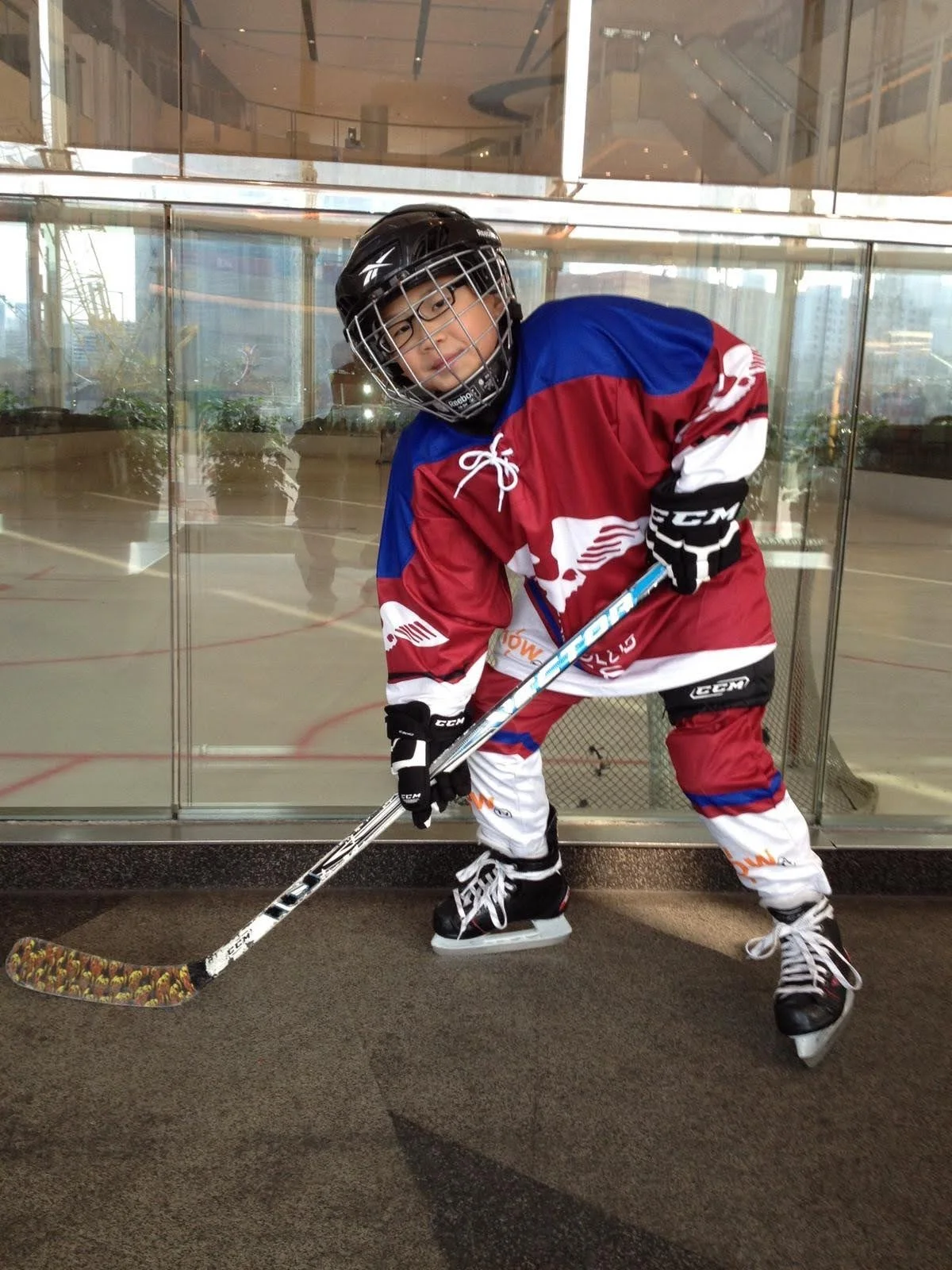
I’ve competed in swim meets since I was 7 years old. I’ve played ice hockey, representing my nation at youth tournaments around the world, from Sweden to Luxembourg to Japan. I’ve played soccer, embracing the sport during my high school years and cherishing the camaraderie that I’ve built with my teammates. I’ve played basketball, just having fun playing pick-up with my friends as a way to pass the team.
Beyond the field, my love for sports has further bloomed, turning me into a passionate and dedicated fan. I’ve woken up early to support my Sunderland AFC as we crawled out of the doldrums of League One and triumphantly returned to the promised land of the Premier League. I’ve stayed up late to cheer on my Anaheim Ducks, experiencing the near duck-ade of darkness in our rebuilding years and our glorious return to the playoffs this season. I’ve rallied behind my Boston Celtics, basking in the glory of our success and the continuing dominance over the city of Philadelphia.
I wouldn’t be the person I am today without sports, as they have helped me build connections, establish my own identity, and give me a reason to get out of bed. I love sports; this I don’t deny and will forever be proud of.
Another thing that I am proud of are my roots. I’m Hong Kong born and bred, having spent around 15 years of my life there. I have memories of the different parts of my life growing up: the love and support of my parents and my brother, the brotherhood and camaraderie of my friends, the industrial nature of the concrete jungle in Central, the middle school years in Sha Tin, the laid back childhood innocence in Lok Fu, and the good old reliable MTR (way better than NY Metro Service, I might add). I embrace my native tongue of Cantonese and the “slangness” that comes along with it. I savor the good food that I devour every time I return home.
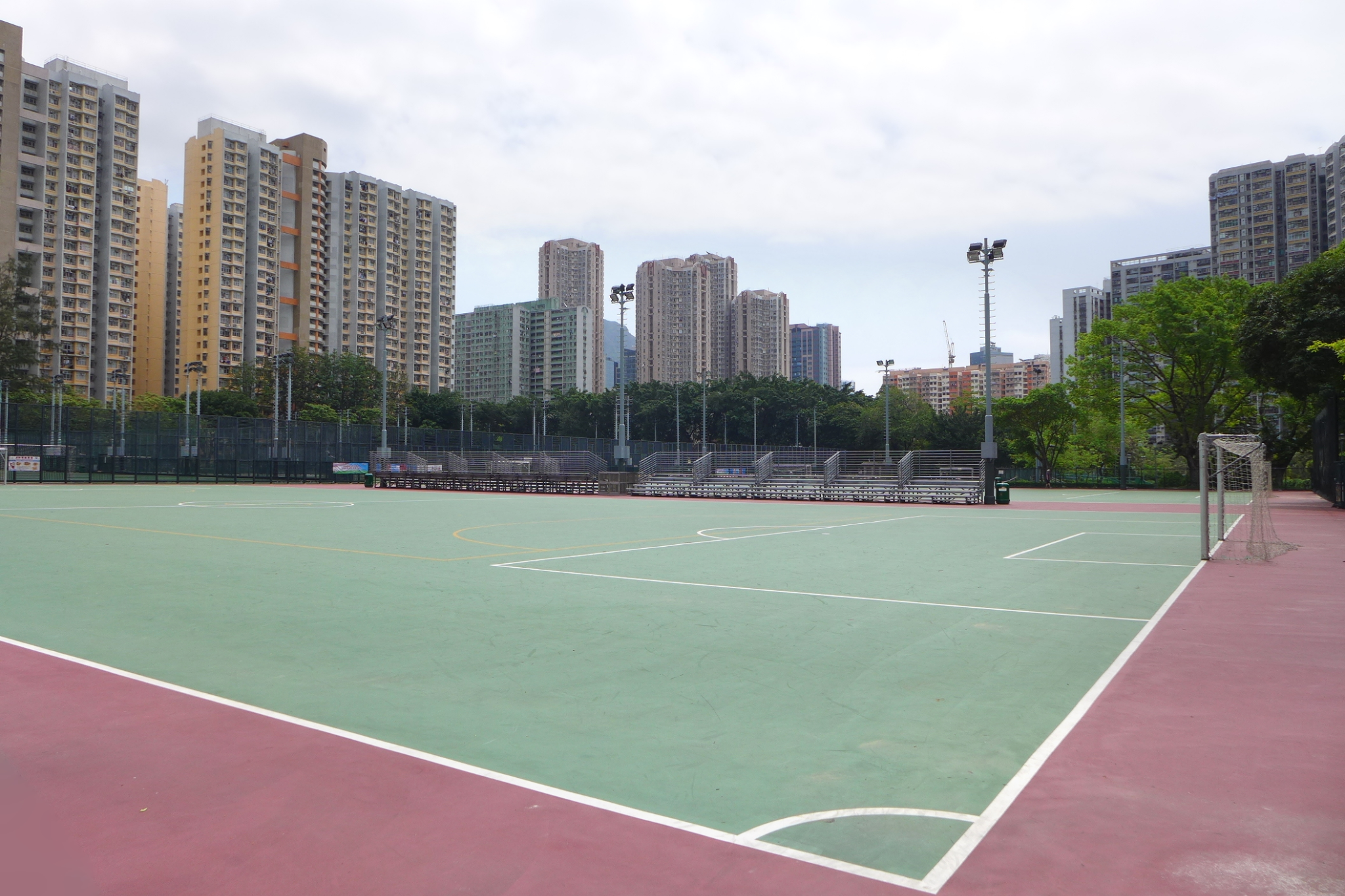
Needless to say, I love Hong Kong.
There of course are the stereotypes that come with being Asian. I’m supposed to be good at math. I’m supposed to play the piano. I’m supposed to become a doctor. I’m supposed to be good at ping pong.
I’m not supposed to be passionate about hockey. I’m not supposed to be passionate about soccer. I’m not supposed to be passionate about basketball. These aren’t sports that I and many Asians like me are supposed to be interested in.
But yet I am. And I know I’m not the only one. There are millions of others carrying the same interests, the same hopes and dreams, and the same love of the game. In honor of Asian and Pacific Islander month, I just wanted to take a look back in time, looking at some athletes that have inspired me and many others.

No conversation about influential Asian athletes can begin without mentioning Jeremy Lin and the phenomenon of “Linsanity”. Born and raised in California in a Taiwanese-American household, Lin’s rise to prominence was anything but conventional. Undrafted out of Harvard, overlooked by scouts, and being cut by the Golden State Warriors and Houston Rockets, it just seemed like Lin wasn’t going to make it big. When he signed with the New York Knicks, he was barely considered a bench player, and audiences believed he would be getting cut at any moment. Lin had no guaranteed spot on the team, sleeping on teammates' couches to just get by; he was on the precipice of falling out of the league and seeing his dream evaporate in an instant.
But a stroke of luck changed his fate forever. With the Knicks' point guard injuries piling up, Lin was given an opportunity to show what he could do. On February 4th, 2012, against the Brooklyn Nets, Lin dropped 25 points off the bench to lead the Knicks to a win. He followed that up with 28 points in a win against the Utah Jazz in his first career start, and a 23 point, 10 assist game against the Washington Wizards. In his biggest challenge, against the Los Angeles Lakers and superstar Kobe Bryant, Lin embraced the spotlight, exploding with 38 points in a statement victory and putting the league on notice. Lin would lead the Knicks to their 5th straight win, dropping 20 points against the Minnesota Timberwolves, and in the defining moment of “Linsanity” against the Toronto Raptors, Lin drilled a deep game winning 3 pointer to continue the improbable winning run. His production was historic, scoring the most points of any NBA player in his first five starts. Lin led the Knicks on a run that would save their season, establishing himself as a legitimate NBA player.
Prior to him, there were already recognized Asian players in the NBA. Among the most notable was Yao Ming, whose presence as a global icon and a dominant force exposed the NBA to an international audience. Yet for some reason, Lin’s impact felt different. He wasn’t the No. 1 overall pick nor a physical specimen; he was relatable. He looked like so many kids who had grown up being told, implicitly or explicitly, that basketball wasn’t “their sport.” He fought tooth and nail for his right to chase his dream, and when he had the opportunity, he seized it. That’s why “Linsanity” hit differently; he allowed all of us to dream big, no matter how great the odds, and became a role model for Asian kids looking to chase their hoop dreams.
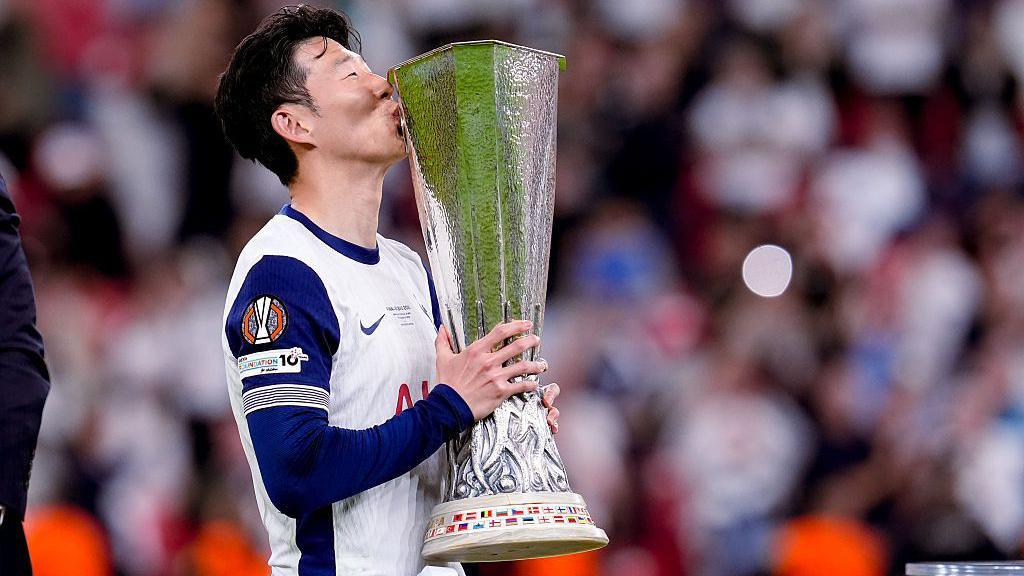
Son Heung Min is without a doubt the greatest Asian footballer of all time. During his rise, the sport of football was seen as a mainly European and South American sport; Asia was a complete afterthought, and players from the region were burdened with stereotypes of being physically weak and tactically unskilled. Many clubs shunned the idea of signing players from Asia, and those who had taken the risk had faced horrific acts of racism.
Son was one of the few who sought to challenge that narrative and make the leap abroad. Born in Chuncheon, South Korea, he trained hard under the brutal tutelage of his father, a former professional player himself, who emphasized discipline and technical perfection. He made the step abroad, joining Hamburg in 2008 at the age of 16, moving across the globe alone. Despite his rawness and youth, Son adapted to a new culture and style of play, proving that he belonged.
His growth continued at Bayer Leverkusen, where he developed into one of the Bundesliga’s most dangerous attacking players, shining in both domestic competition and the UEFA Champions League. He eventually got his big money move to Tottenham Hotspur in 2015, becoming the most expensive Asian player in history. He spent 10 seasons with them, leading them to top 4 finishes, scoring crucial goals in big games, and dragging his team to victories, all culminating in a Europa League trophy in his final season.
Beyond the club level, Son’s impact with the South Korean national team has been just as crucial. Serving as captain, he has been the skilled leader and emotional heartbeat of a squad that has consistently punched above its weight on the international stage. From his role in securing gold at the 2018 Asian Games, to his game sealing goal against Germany in the 2018 World Cup, to his game winning assist against Portugal in the 2022 World Cup to lead South Korea to the knockout stage, Son has embraced the responsibility of representing his country with pride and honor.
Son carries a sense of duty and plays with his heart on his sleeve whenever he steps onto the pitch. He’s played through painful injuries. He’s faced horrific racial abuse. He’s dealt with heartbreaking lows. But still, he has stepped up and surpassed all the barriers that he has faced, becoming the shining beacon of Asian football and one of the most beloved athletes worldwide.

Born in British Columbia to Canadian-Japanese parents, Paul Kariya was drafted 4th overall in the 1993 NHL Entry Draft by the Mighty Ducks of Anaheim. Before he entered the league, many Asian players had attempted to break into hockey, with Larry Kwong being the pioneer, playing one game with the New York Rangers. However, Asian players often faced both structural barriers and quiet skepticism about whether they could thrive in such a physically demanding, traditionally white sport, and no clear cut Asian superstar was on the scene.
Yet Kariya was different; from the moment he stepped onto the ice, his talent and potential was undeniable. At the University of Maine, he dominated the collegiate level, winning the Hobey Baker Award and establishing himself as one of the most electrifying prospects in hockey. When he made his NHL debut with the Mighty Ducks of Anaheim, he immediately stood out in terms of speed, vision, and precision, a style that contrasted with the league’s bruising reputation at the time. Kariya answered the doubts of his untraditional heritage with skill, becoming one of the league’s deadliest goal scorers. Season after season, he produced at an elite level, becoming the first hockey superstar of Asian descent. He eventually became captain of the Mighty Ducks and one of the most respected players in the game.
But his impact on the game would be etched into hockey lore forever. During the 2003 season, Kariya’s Mighty Ducks of Anaheim made a Cinderella run all the way to the Stanley Cup Finals. Down 3-2 in the series against the New Jersey Devils and facing elimination, the Ducks needed a win to survive and force winner-takes-all game 7. But they would be dealt a massive blow, as during the second period, Devils captain Scott Stevens delivered a late and dirty hit to Kariya, knocking him straight into the floor. As the camera panned to him, Kariya was actively struggling to maintain consciousness, and needed to be helped off the ice. It looked like we wouldn’t see him again until next season. But by some miracle, he returned to the game like nothing had happened. And on the very next shift, he carried the puck up-ice and rocketed a slap shot past Devils goaltender Martin Brodeur, scoring the game winning goal to help the Ducks stave off elimination. Kariya’s resilience, determination, and pure will was on full display, and this moment forever inscribed in Ducks history—certifying his legacy as one of the greats of the game.
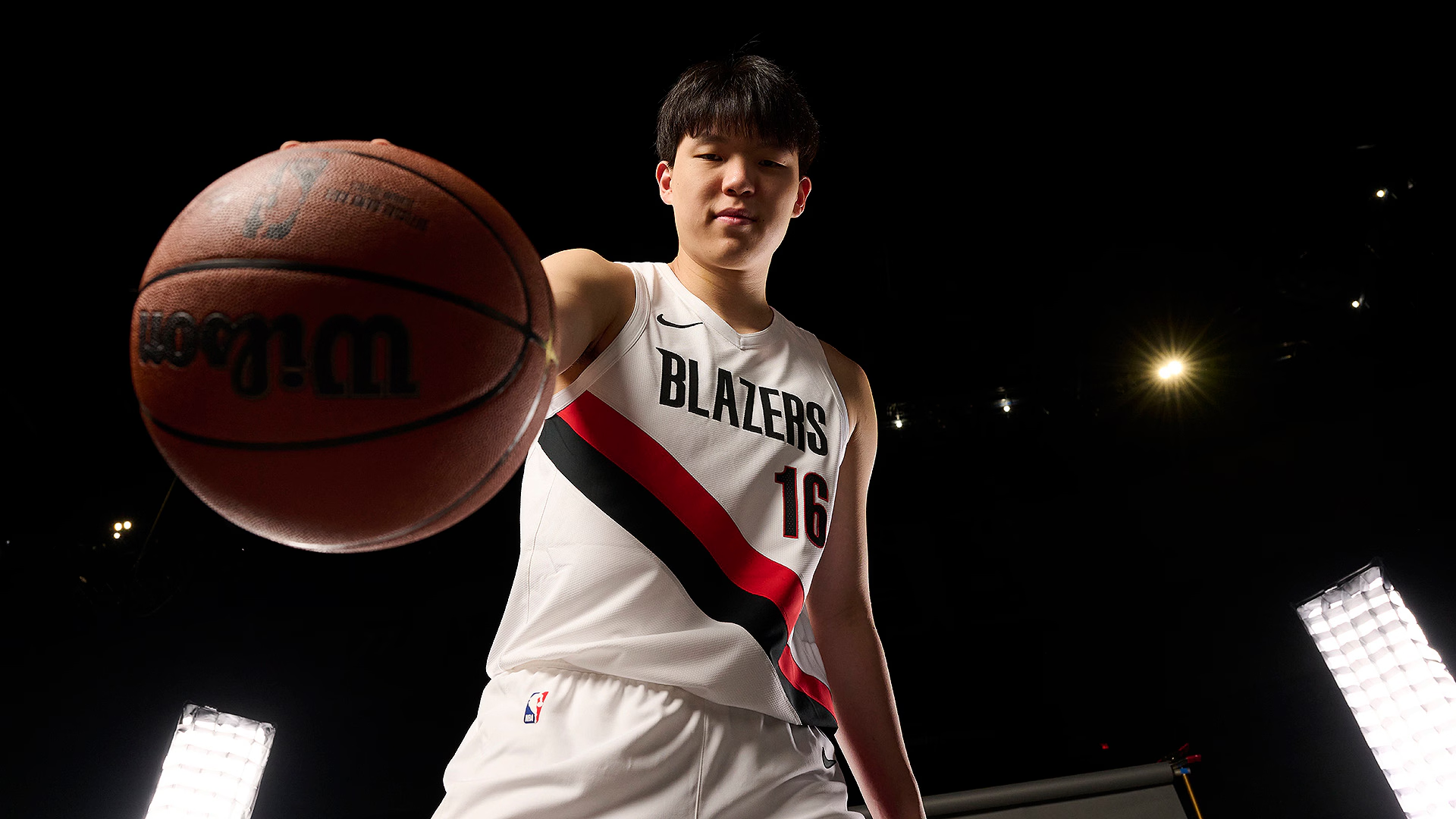
The memories of Jeremy Lin, Son Heung Min, and Paul Kariya don’t just exist in the past; their impact lives on in full effect to this present day. Lin is currently an active spokesperson on racism against Asians, but beyond that, his “Linsanity” run led to growth of interest in basketball in Asian communities, leading to many more Asians and Asian Americans entering the league. Players such as Rui Hachimura, Yuki Kawamura, Jordan Clarkson, Jaylin Williams, Yang Hansen, and many others now call the league their home, and the NBA itself has continued with its efforts to grow the game in Asia.
Son’s influence has led to not only South Korea’s resurgence on the global football stage, but also to a broader shift in perception across Europe. Clubs became more willing to scout, trust, and develop talent from Asia, recognizing that elite ability that was ignored or disregarded previously. Players such as Take Kubo, Kim Min-Jae, Kaoru Mitoma, Abdukodir Khusanov, and many more now ply their trade in some of Europe’s top leagues. Internationally, Japan’s football federation has now built themselves to be a Top 20 footballing nation globally, and their league and developmental blueprint is something other federations now seek to emulate, whilst teams such as Uzbekistan have made massive strides by qualifying for the 2026 World Cup.
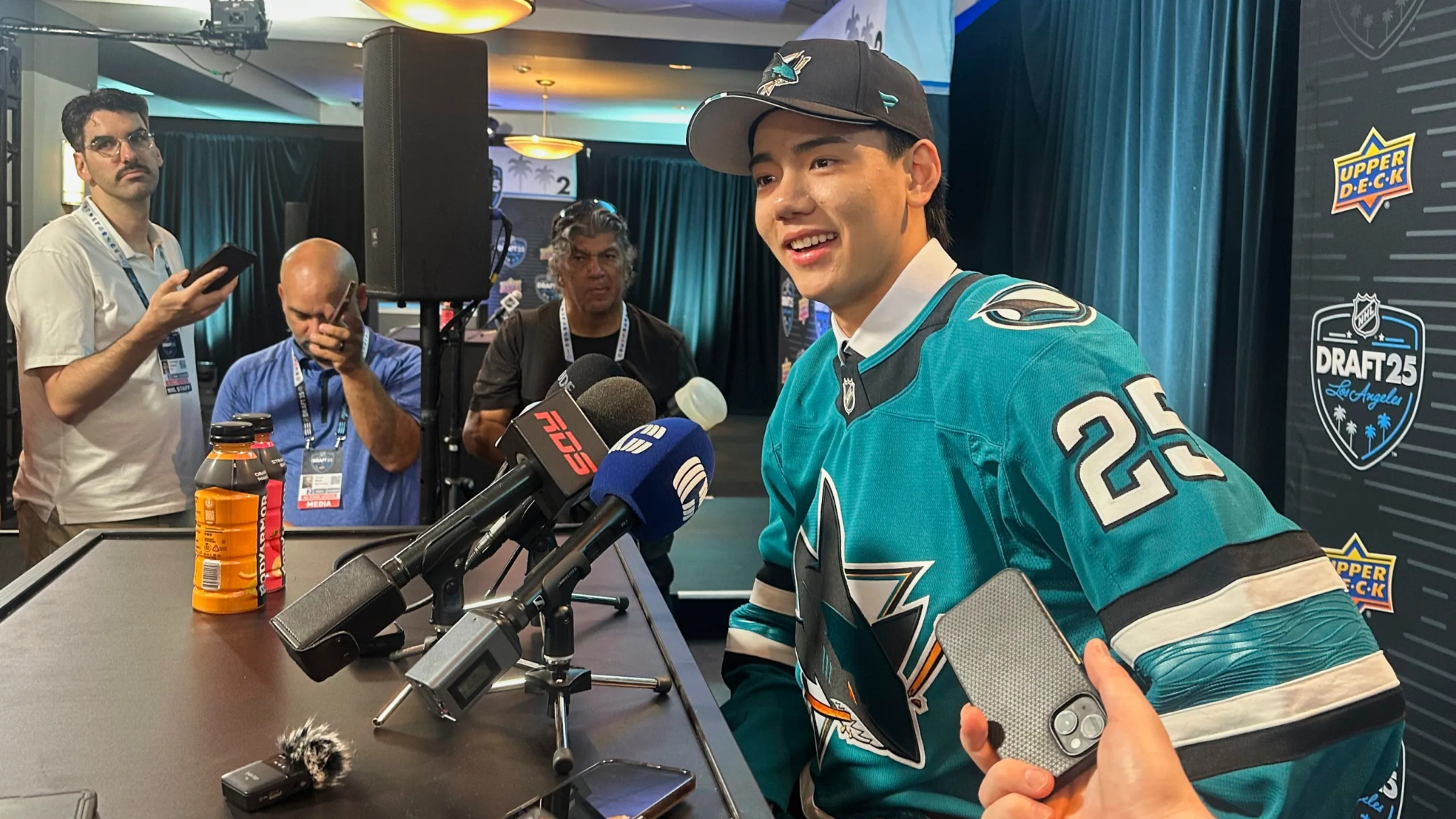
Kariya’s legacy gave rise to not only the number of Asian players in the NHL, but the number of Asian stars present makes his impact stand out further. Jason Robertson and Nick Suzuki are bonafide star players, leading their teams to success like Kariya once did, whilst also understanding the opportunity to be a role model for Asian youth hockey players who look up to them. Defenseman Matt Dumba cites Kariya as his favorite player growing up, and a massive influence in pursuing the game of hockey, and wants to help change the culture of hockey to make it more inclusive for those of Asian descent. Most recently, HaoXi (Simon) Wang became the highest drafted Chinese born player, selected with the first pick of the 2nd round of the 2025 NHL Draft, and Kevin He became the first ever Chinese born player to sign an NHL contract. The sport continues to grow in popularity in Asia, marking a clear shift to its perception when Kariya first entered the league.
So, to Jeremy Lin. To Son Heung Min. To Paul Kariya.
To all those athletes who came before me, who broke boundaries, who challenged the norms, who redefined what it meant to be Asian.
Thank you.
Thank you for helping me find my love for sports. Thank you for showing me that it’s okay to love it openly, fully, and without hesitation.
Thank you for inspiring me and millions of others to dream big, no matter what the world tells us.
I’m proud to love sports.
And I’m proud to be Asian.