We are all helplessly addicted to our phones. Whether it’s the endless doomscrolling on TikTok, the countless unread messages we filter through, or that stupid game we play when we’re bored out of our minds, our phones have become an integral component of our everyday lives. Gone are the awkward but entertaining elevator conversations and making friends with a complete stranger out of pure boredom. I know—I sound like your grandma. But sometimes being forced to be utterly present and cognizant of your surroundings can yield unbelievably positive benefits, which is something I only recently discovered through the magic of the Yondr pouch.

I was first introduced to the Yondr pouch at Phoebe Bridgers’ “The Lost Tour” concert at Barclays. When I initially learned that I would have to lock my phone away in an unbreakable pouch for three hours, I was deeply skeptical. However, I soon found that removing my phone from the equation made the experience infinitely more communal. Instead of being engrossed in my phone, my friends and I discussed what songs we were excited for, and the impact Phoebe’s music has had on our lives. Instead of watching the concert through my phone screen, I was utterly engrossed in the magical light show happening before me, transporting me to the edges of the milky way while sitting in the nosebleeds of one of the largest venues in NYC. It was as if without the distraction of my phone, all of my other senses were heightened and I could fully immerse myself in the concert experience.
This experience isn’t unique to “The Lost Tour,” as various artists have decided to make their concerts phone-free. A notable example was pop singer Harry Styles’ phone-free “One Night Only” concert on March 6th in Manchester, UK. In place of their phones, concert-goers were given disposable cameras to capture the concert, with tickets priced at a mere 20 English pounds, making the experience reminiscent of concerts in the 90s to early 2000s. This low price and phone-free experience is something Phoebe also utilized prior to “The Lost Tour,” when she toured across the country giving surprise concerts in small towns to tease her new album “Lost Weekend.” Unsurprisingly, the phone-free concert is also popular among older artists who rose to fame before the cellphone, including Paul McCartney and Bob Dylan. After performing two phone-free shows at Los Angeles’ Fonda Theatre in March, McCartney noted, "It was like an old gig, like how everyone used to play. It was really special." Coupled with the desire for nostalgia, artists may also choose to ban phones at their concerts for personal reasons, with Phoebe Bridgers sharing that it would feel “dystopian” for people to be recording her whilst she cries. I understand this pull towards the nostalgia of the past, and the desire to participate in a shared emotional experience without feeling surveilled.
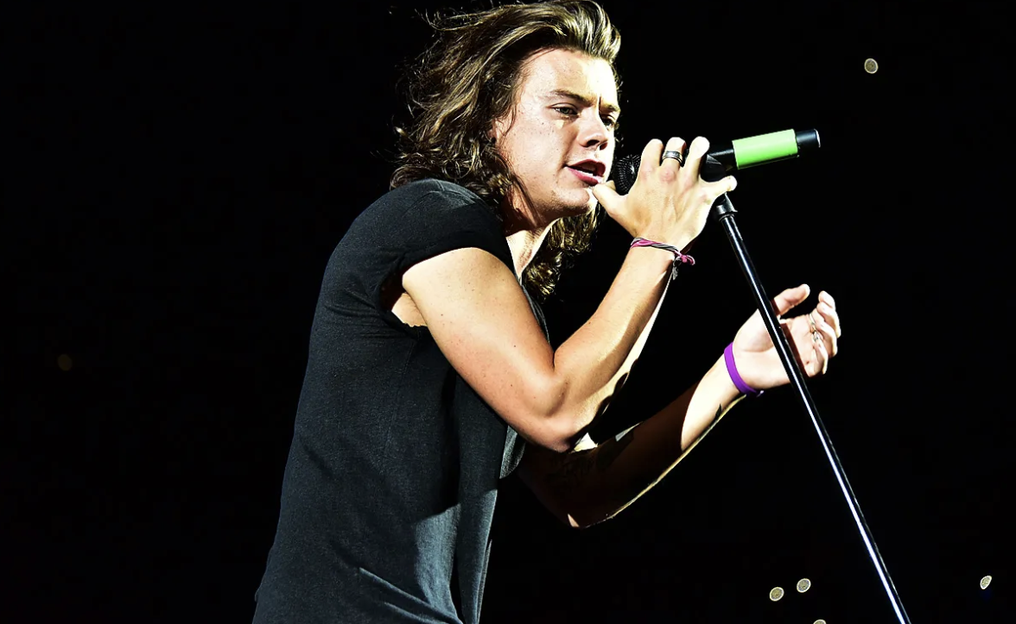
Years before I was given my first phone, I attended a One Direction concert in 2015. I know–I peaked early. It was 9-year-old me’s dream to see One Direction live, obsessively listening to their first album on CD and bonding with my best friend over our shared devotion to the band. Sitting in the nosebleeds of MetLife Stadium and experiencing the euphoria that is live music for the first time in my life is a core memory that I will never forget. I had the time of my life screaming along to my favorite songs, dancing with strangers, and watching the blurry forms of Harry, Louis, Liam, and Niall perform—sans Zayn unfortunately—all without the presence of technology. Sitting in the nosebleeds of Barclays watching the blurry form of Phoebe Bridgers belt out some of my favorite songs instantly brought me back to that moment all those years ago, long before I learned the art of endlessly scrolling through social media, or relentlessly checking my notifications. I felt the uninhibited joy of childhood, where I could place all of my focus and energy into the concert experience. So, if you want to tap into that childlike joy and nostalgia, you should definitely check out a phone-free concert.