In a city filled with blockbuster theaters and streaming platforms, finding films outside the mainstream can be an exciting way to explore different cultures and perspectives. New York City offers a diverse cinema scene, from independent theaters screening overlooked classics to cultural institutions introducing audiences to international films. Inspired by my experience discovering the Prince Charles Cinema in London, I wanted to explore similar spaces in New York and find places where students can experience cinema beyond mainstream releases.
Unlike commercial theaters that often prioritize major releases, independent cinemas and cultural institutions offer programs shaped by artistic interests and cultural significance. Some specialize in independent productions, while others focus on preserving film history or introducing international cinema. These spaces remind us that watching movies can be more than entertainment. It can also be an opportunity to discover unfamiliar stories and engage with different cultures.
1. Metrograph (Lower East Side)
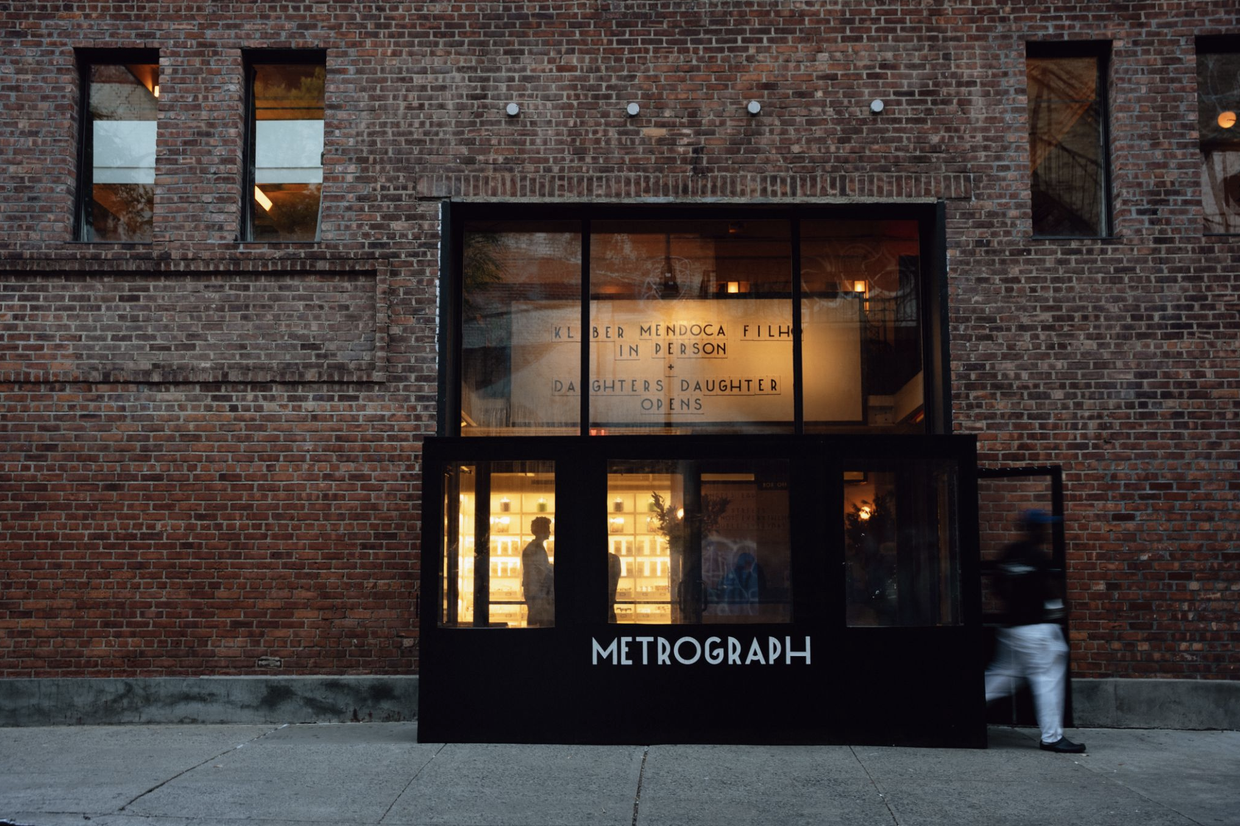
Metrograph is an independent cinema known for its carefully curated selection of classic, international, and contemporary films. Rather than focusing exclusively on commercial releases, it creates opportunities for audiences to discover films from different eras and filmmaking traditions. Its special screenings and filmmaker appearances also encourage viewers to engage with cinema beyond the screen. For example, Metrograph is presenting Unspoken Gestures: The Films of Sho Miyake, a retrospective running from November 7 to 15, 2026, with the Japanese director scheduled to attend screenings on November 7 and 8.
One of the most interesting aspects of Metrograph is how its programming encourages audiences to explore connections between films. By organizing screenings around particular directors, themes, and artistic movements, the theater allows viewers to recognize recurring storytelling techniques and visual styles. Watching several films by the same filmmaker can reveal artistic choices that might be difficult to notice from a single work.
Metrograph also offers an experience beyond the screening room. With its bookstore and dining spaces, the venue creates an environment where cinema becomes part of a broader cultural experience. For students interested in filmmaking or film history, it provides an opportunity to discover new directors while engaging more deeply with the art of cinema.
2. Film Forum (West Houston Street)
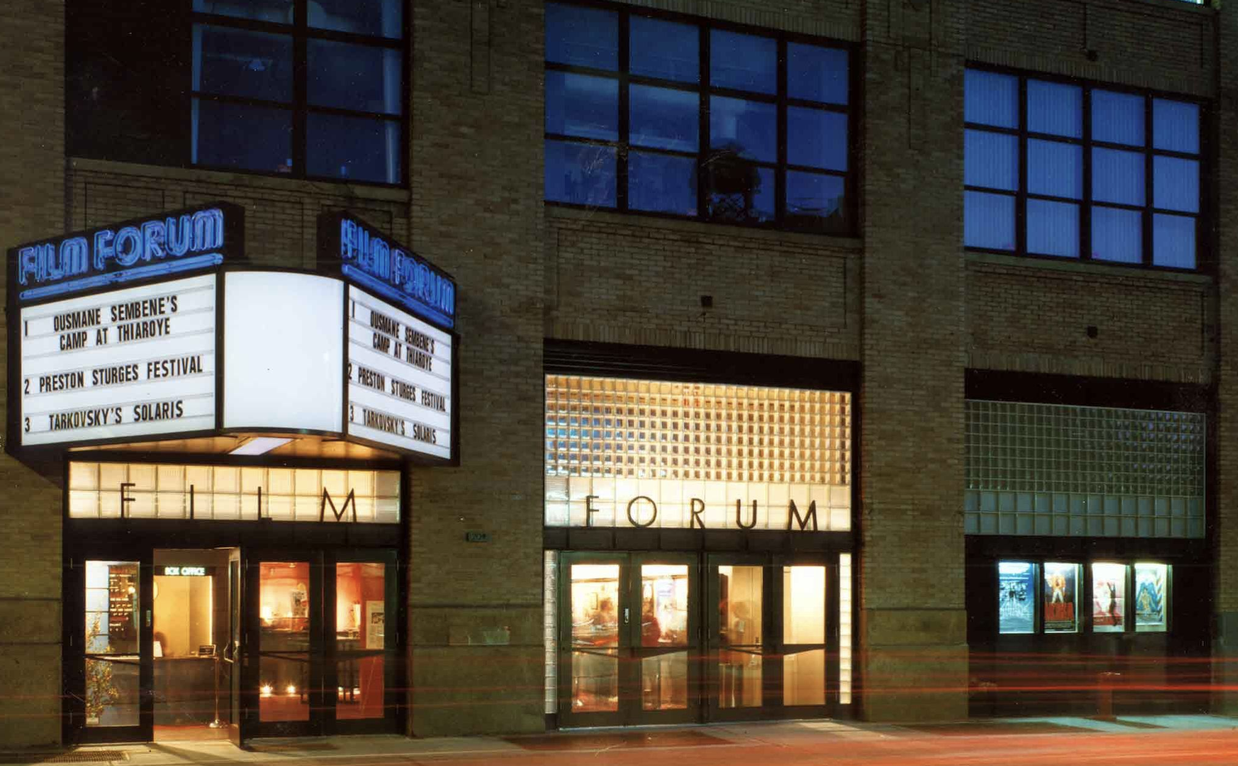
Film Forum is a nonprofit cinema dedicated to independent films, documentaries, and classic cinema. Its programming creates space for works that may receive limited theatrical distribution, while its retrospectives allow audiences to revisit films in their historical and cultural contexts. One example is Once Upon a Time in Harlem, a documentary by William and David Greaves about the artists, writers, musicians, and intellectuals of the Harlem Renaissance. Its screenings offer an opportunity to discover a historical documentary that connects cinema with a broader cultural history.
What distinguishes Film Forum from many commercial theaters is its commitment to films that may not have large marketing budgets or widespread recognition. Independent documentaries often explore subjects that receive limited attention in mainstream entertainment. By providing these films with theatrical screenings, Film Forum helps bring overlooked stories to wider audiences.
Its classic film programs are equally important. Older films reveal how filmmaking techniques, social attitudes, and cultural values have changed over time. Watching them in a theater also creates a different experience from viewing them individually on streaming platforms. For students interested in the relationship between media and society, Film Forum demonstrates how cinema can preserve cultural memory and encourage conversations about history and representation.
3. Japan Society (Midtown East)
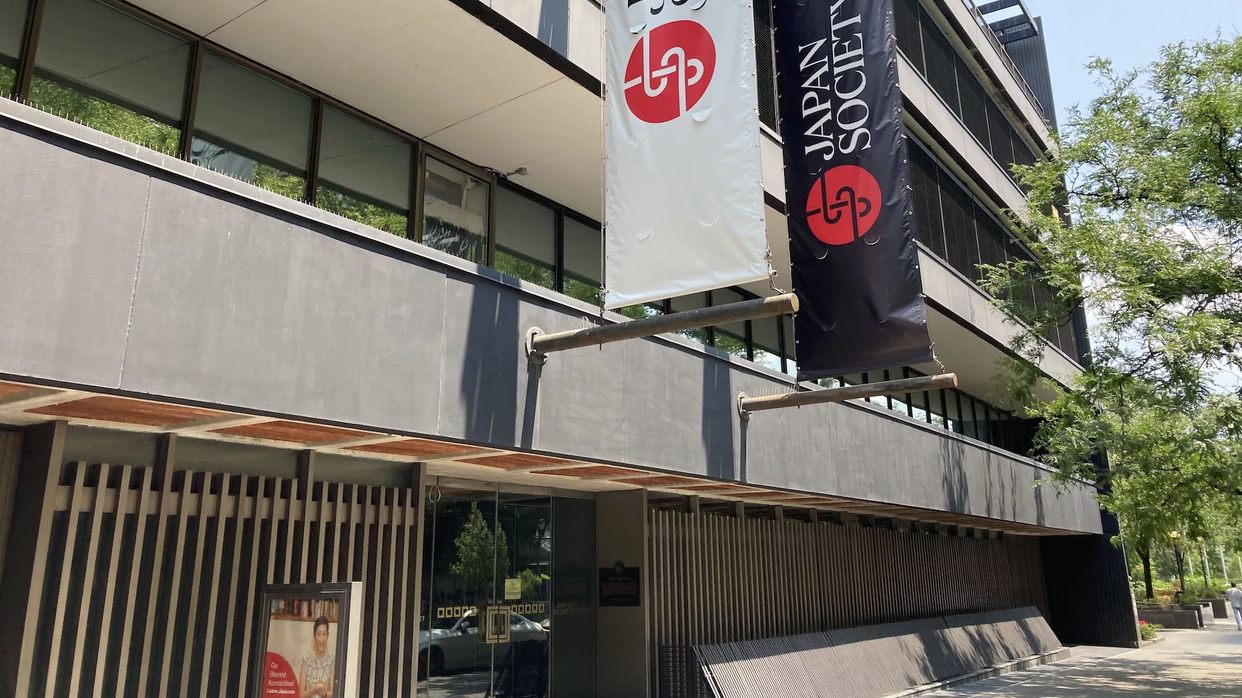
For those interested in Japanese cinema, Japan Society offers screenings and special programs that explore the country's film history and contemporary filmmaking. Its programming goes beyond familiar international releases, introducing audiences to different genres, periods, and cinematic perspectives. One upcoming example is Nikkatsu’s Golden Age of Eros, a series running from November 20 to December 6, 2026. The program offers an opportunity to explore a distinctive period in Japanese cinema and understand the relationship between film, genre, and cultural history.
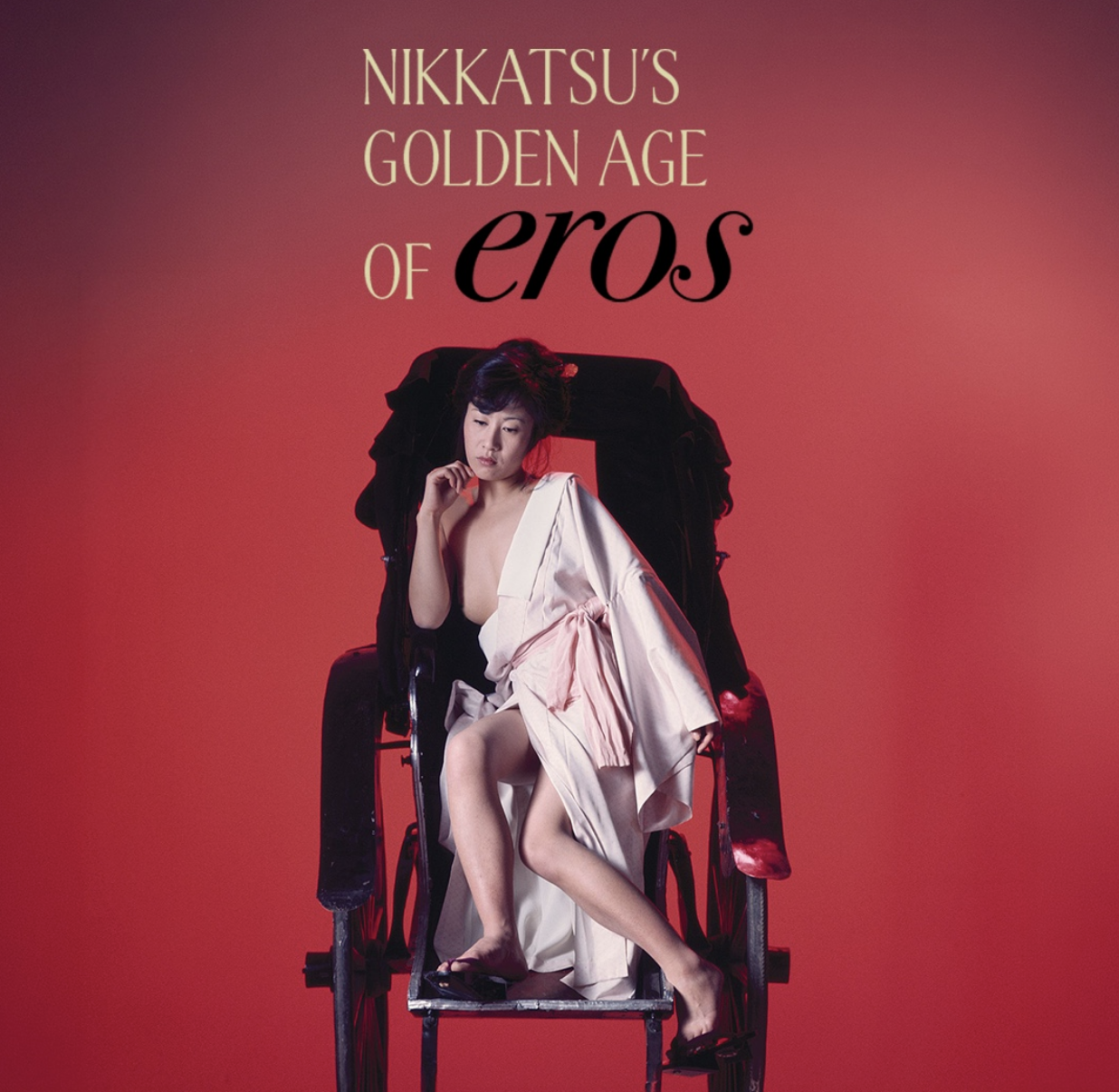
The series focuses on Nikkatsu's Roman Porno films, which emerged during a period of significant change in Japan's film industry. As television became increasingly popular and movie theater attendance declined, the studio experimented with new forms of filmmaking. Although these films were produced within a commercial studio system, they also created opportunities for filmmakers to develop distinctive artistic approaches.
Japan Society's broader programming demonstrates that Japanese cinema cannot be represented by a single genre or internationally recognized director. While many viewers may be familiar with Japanese animation or contemporary popular films, the country's cinematic history includes experimental works, independent productions, and historical dramas. By connecting screenings with cultural context, Japan Society encourages audiences to understand films as reflections of the societies and periods in which they were created.
4. Film at Lincoln Center (Upper West Side)
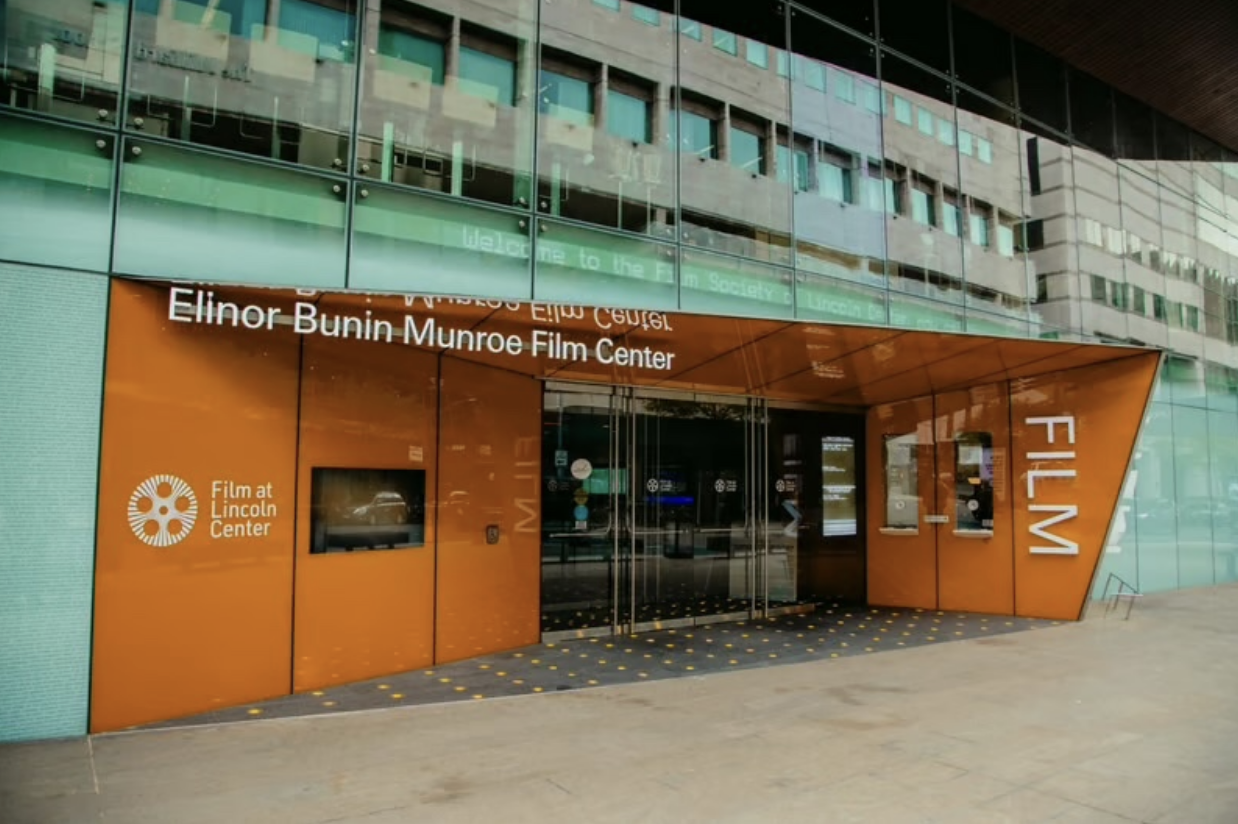
Film at Lincoln Center is a major destination for international cinema, hosting film festivals, director retrospectives, and special screenings throughout the year. These programs introduce audiences to filmmakers and stories from around the world, including works that may not receive wide commercial distribution. A recent example is the 2026 New York Asian Film Festival, which presented films from across Asia and included screenings and filmmaker Q&As at Film at Lincoln Center.
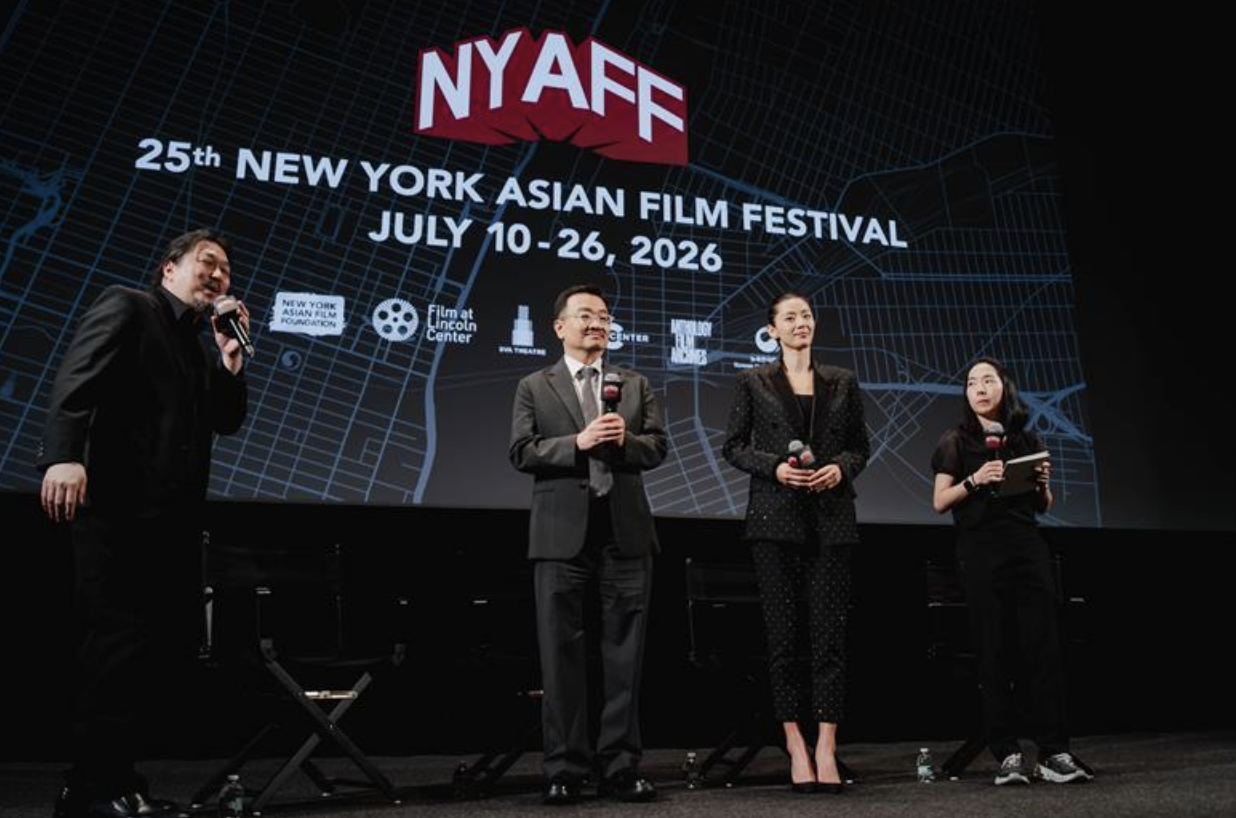
Film festivals are particularly important to independent and international cinema because they help filmmakers reach audiences outside their home countries. While major commercial releases benefit from established distribution networks and large promotional campaigns, smaller productions may depend on festivals and specialized screenings to gain international recognition.
The New York Asian Film Festival also highlights the diversity of Asian filmmaking. Rather than presenting Asian cinema as a single category, it introduces audiences to different languages, genres, and storytelling traditions. Through filmmaker discussions and special presentations, visitors can gain insight into the creative decisions and cultural influences behind the films.
For students interested in international cinema, Film at Lincoln Center provides opportunities to discover new filmmakers and explore perspectives beyond familiar Hollywood narratives. Its programs demonstrate how film festivals can connect audiences across cultural and geographical boundaries.
5. Korean Cultural Center New York (Midtown East)
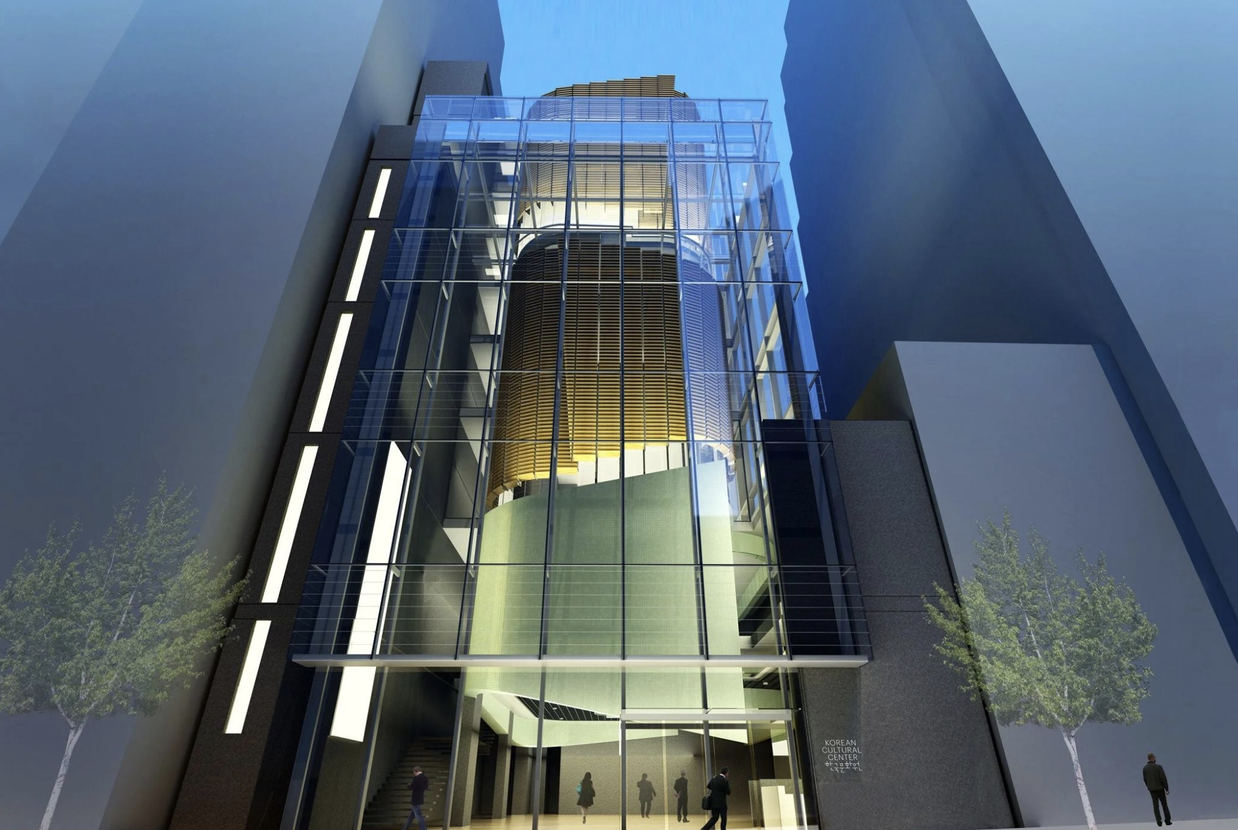
The Korean Cultural Center New York introduces audiences to Korean film and culture through screenings and special programs. Its events provide opportunities to discover Korean cinema beyond internationally recognized commercial releases, including independent films and works by emerging filmmakers. From October 15 to 25, 2026, the center hosted the inaugural New York Korean Independent Film Festival, featuring collaborations with several Korean film festivals and organizations.
The festival also included filmmaker discussions and a special panel titled Seoul × New York: Indie Cinema Today, highlighting the relationship between independent filmmaking and international cultural exchange. These events allowed audiences to learn not only about the films themselves but also about the experiences and challenges of the people who create them.
Although Korean entertainment has gained international recognition through popular films, television dramas, and music, independent Korean cinema offers another perspective on the country's creative culture. Smaller productions can explore personal experiences, unconventional narratives, and social issues that may receive less attention in mainstream entertainment. However, these films often face challenges reaching international audiences because of limited distribution opportunities.
Cultural institutions like the Korean Cultural Center New York help address this gap by organizing screenings and collaborating with film festivals. The festival's free screenings, offered with advance registration, also made independent Korean cinema more accessible to students and other audiences. Such programs demonstrate how cultural institutions can support independent filmmakers while encouraging international cultural exchange.
More Than Just a Movie
My interest in these spaces began when I discovered the Prince Charles Cinema in London. Its diverse programming made me realize that going to the movies could be about more than choosing a popular release. A cinema could also be a place to discover unfamiliar films, revisit older works, and connect with a community of people who share an interest in film.
What particularly interests me about independent cinemas is how they influence the way audiences discover films. With streaming platforms, it is easy to choose movies based on recommendations, popularity, or familiar genres. Independent cinemas offer another way of discovering films by introducing audiences to works they may not have actively searched for. Their programming encourages viewers to step outside their usual preferences and explore unfamiliar stories.
As someone interested in international cinema and the cultures surrounding it, I find these experiences meaningful because films offer ways to understand how people live, think, and express themselves in different social environments. Independent and international films can bring attention to stories and perspectives that are less visible in mainstream entertainment. They can also challenge viewers to reconsider familiar ideas through unfamiliar cultural contexts.
What makes these five venues special is not simply the films they screen, but the opportunities they create for discovery and connection. Some support independent cinema through curated screenings and retrospectives, while others introduce audiences to films through cultural programs and international festivals. Together, they show that New York's cinema scene extends far beyond commercial theaters.
Ultimately, these venues remind us that the moviegoing experience does not end when the credits roll. Whether through a director's retrospective, an international film festival, or an independent screening, cinema can inspire conversations about culture, history, and identity. For students looking for something different, discovering one of these spaces might be the beginning of a new interest, a new perspective, or a new favorite film.