In a 2023 interview with Vanity Fair, Florence Pugh said that Timothée Chalamet “is our Leo,” which most people disagreed with. However, as a former die-hard Timothée Chalamet fan– a Timmy Truther, if I dare– I think she has a point. So, I’m going to set aside my slight disdain for Leonardo DiCaprio to ask the question: is Timothée Chalamet our generation's Leonardo DiCaprio?
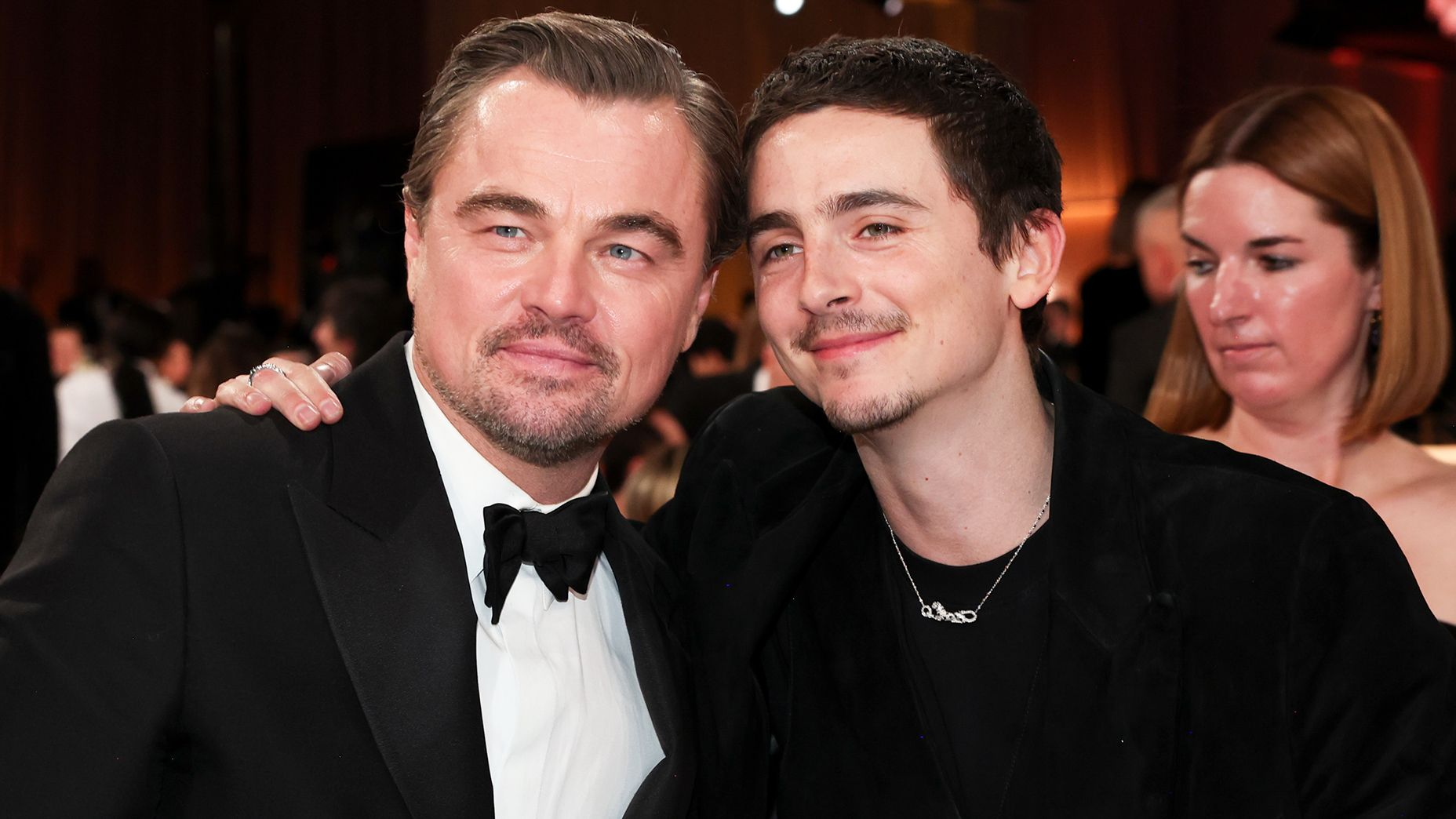
*I will be referring to both of them with nicknames because their names are too long and I’m too lazy
Early success
Both actors began working in television as young teenagers. Timmy had a number of small roles on TV shows before eventually being cast in a supporting role in season two of Homeland. At 17, he appeared alongside Matthew McConaughey in Interstellar, which he was famously barely in. During his time at NYU, he starred in the off-Broadway play The Prodigal Son, alongside Robert Sean Leonard (of Dead Poets Society fame).
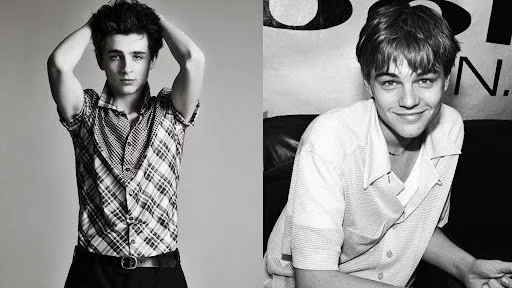
Leo started acting in commercials as a preteen before scoring a few small roles on TV shows like Roseanne and Parenthood. He joined the family sitcom, Growing Pains, in 1991 at 16 years old before being cast in his first movie, This Boy’s Life, opposite Robert De Niro. In that same year, he starred in What’s Eating Gilbert Grape, for which he was nominated for Best Supporting Actor at the Oscars at just 19.
Both spent their teenage years in TV, independent films, and small roles before either became a recognizable name. Neither of them became a star overnight, but they were quickly building their careers.
Breakout
Timmy’s first real success came with Call Me By Your Name. His breakout role as Elio Perlman solidified him as an indie darling and earned him his first Best Actor nomination at 22. In that same year, he starred in Lady Bird as the douchebag boyfriend. Both of these films had young female audiences, and he quickly became popular with a more niche, cool group of women. He established himself as the humble young actor who adored his female co-stars, as seen when he bowed down to Saoirse Ronan at Santa Barbara International Film Festival. In 2018, he played an addict in Beautiful Boy, similar to Leo’s role in The Basketball Diaries. Little Women (2019) was a great success both critically and commercially and opened Timmy up to a wider audience of even more adoring girls.
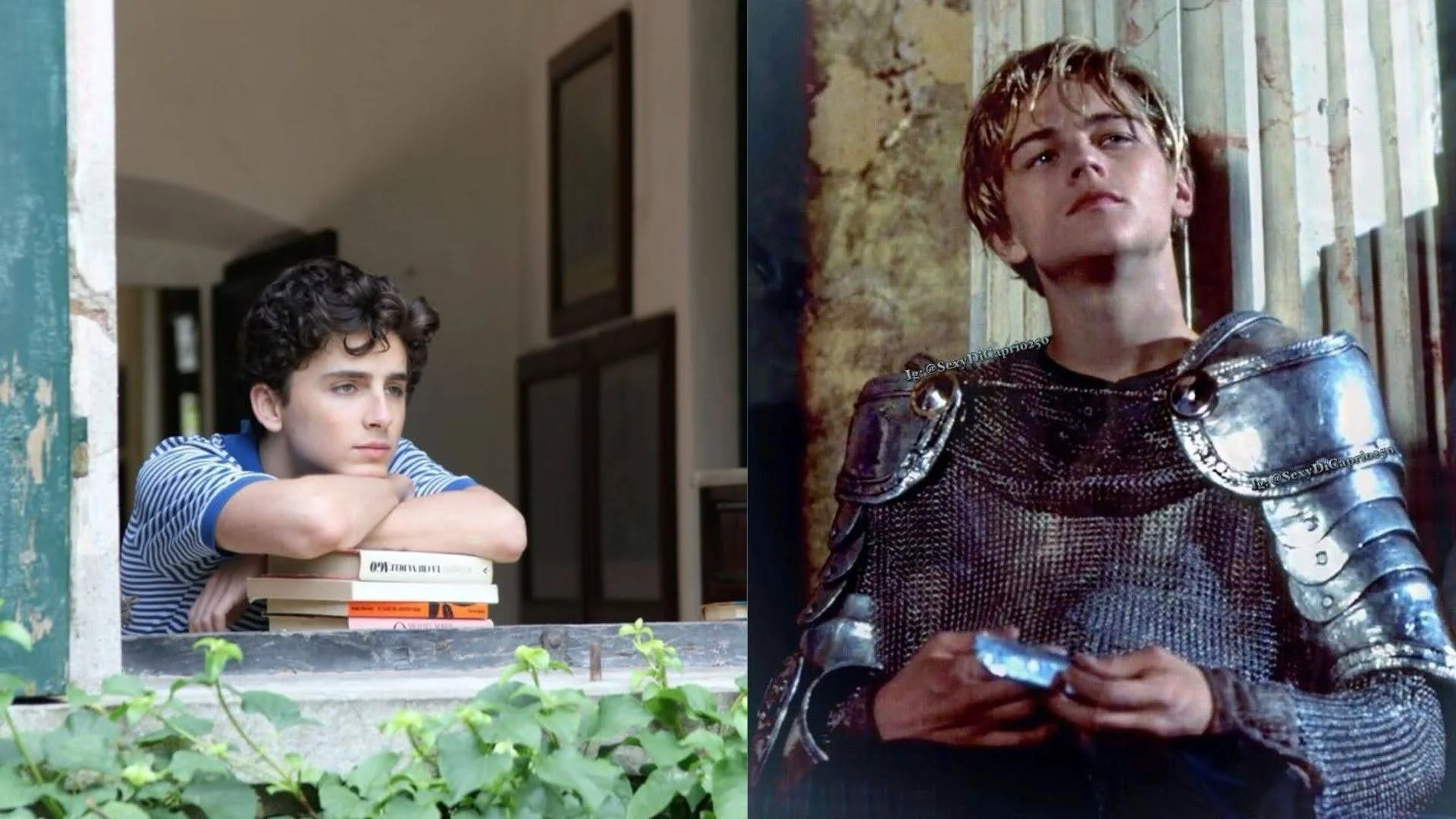
For Leo, Romeo and Juliet (1996) was a massive success and cultural moment. I’m sure many people watched this version in freshman-year English class. The film launched Leo as a heartthrob when he had mostly been making indie movies. But of course, it goes without saying that Titanic was the true catalyst of his career. The impact of this movie can’t be put into words, and I’m saying that as someone who doesn’t care for it. It was extremely popular with all audiences, becoming the first film to make $1 billion at the box office, but it was especially loved by teenage girls. A so-called “Leomania” ensued following the release of Titanic. His teen idol image overshadowed his talent, turning him into more of a pop culture phenomenon than an actor. To be taken seriously again, he would have to abandon his pretty boy image.
Both actors experienced the kind of fame that comes with being adored by young female audiences. But while that popularity made them stars, it didn't necessarily earn them the kind of industry respect they would eventually seek.
Escape From a Female Audience
Being a man who makes movies for women will make you famous but not exactly acclaimed. Movies geared towards women are taken less seriously. Both actors needed to move on and show that they were real, serious actors.
Timmy’s first attempt at collaborating with a celebrated, elderly director was with Woody Allen on A Rainy Day in New York. Obviously, this did not reflect well on him, and he faced a lot of scrutiny for it, especially because it was after the Me Too Movement. As someone who remembers when it happened, it felt like a betrayal of who he painted himself to be. Working with a known pedophile was particularly damaging to the carefully cultivated image Timmy had built as a thoughtful, socially conscious young actor. Both he and Selena Gomez ended up donating their salaries to sexual assault charities to try and save face as if they weren’t aware beforehand. Interestingly, Leo had also worked with Woody Allen on Celebrity. The film was equally unsuccessful, but unlike Timmy, Leo’s involvement didn’t cause any kind of controversy. Apparently, working with Woody Allen was a rite of passage neither of them needed.
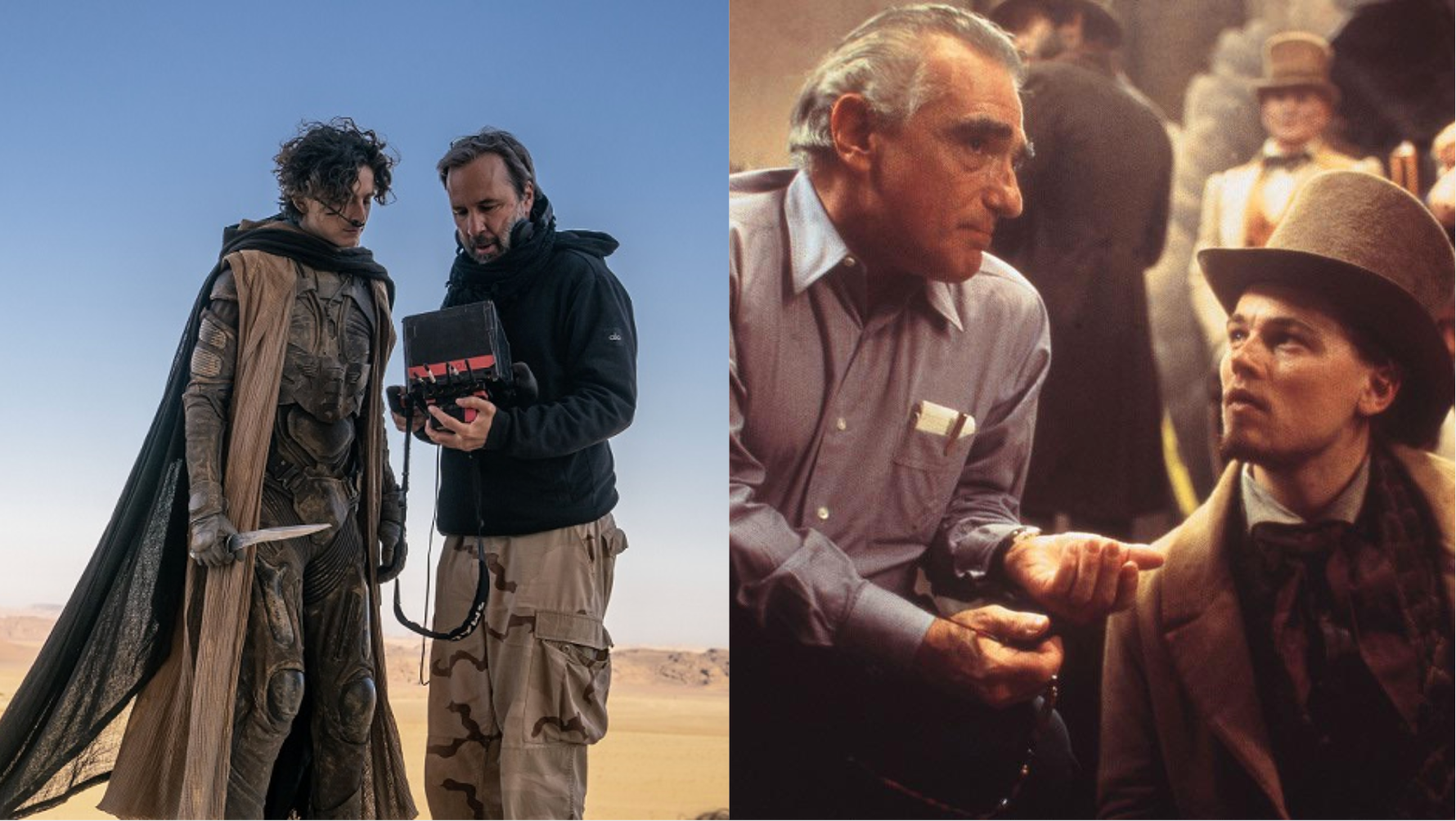
His next and successful attempt at breaking out of the indie darling image was Dune (2021). This was his first big blockbuster and an opportunity to get a real Hollywood paycheck. Working with Denis Villeneuve also had the same effect that Leo had working with someone like Scorsese. Villeneuve is a popular filmmaker while still being highly regarded. Dune (2021) was guaranteed to bring in a wider and also more male audience. Over the past few years, the sensitive, slightly quirky indie golden boy has been replaced by someone more comfortable with playing the part of a Hollywood star. Whether it’s intentional or not, Timmy seems to be moving away from the image that initially made him famous in favor of one that appeals to a male audience.
Leo had already worked with talented directors by the end of the 90s– Cameron, Luhrmann, Raimi– but they were all blockbuster or crowd-pleaser films. His second attempt, after Celebrity, to break out of the teen idol genre was with director Danny Boyle, who was coming off the success of Trainspotting. The Beach was panned by critics and audiences despite Boyle’s previous track record. I would like to add that there was an incredible song made for this movie– Pure Shores by All Saints– but I digress.
Luckily for Leo, he became the apple of Martin Scorsese's eye and was cast in Gangs of New York. The movie was liked by critics but drew mixed feelings from audiences, mostly because of Leo and Cameron Diaz’s questionable performances (trust me when I say do not watch it). Despite the middling reception, working with a director of Scorsese’s caliber reflects extremely well on an actor. In 2002, he also worked with Steven Spielberg on Catch Me If You Can (this one I do like) alongside actors like Tom Hanks and Martin Sheen. Both of these films are still bigger-budget movies but with critically acclaimed and respected directors. These projects helped shift his reputation away from teen heartthrob and towards serious leading man.
The Difference Between the Two
Despite the similarities in their careers, there is one major difference between the two: how they approach fame. Timmy is very much in the public. He campaigned hard for Marty Supreme and A Complete Unknown in a way that was seen as almost too desperate. This year he made appearances at numerous Knicks games and, of course, got in hot water for saying “no one cares” about ballet and opera which felt like a punch in the face to his original, artsy fanbase. As someone who’s watched him for a long time, I can safely say that he really likes attention, like a lot. On the other hand, Leo seems very guarded, especially as he gets older. This is likely because of the extreme fame he experienced at such a young age. He rarely does interviews or makes appearances unless he is actively promoting a film.
The two also tend to go for different projects. Timmy has a good mix of small and large projects. He did Dune: Part Two and then Marty Supreme and Bones and All and then Wonka (also Leo would never do Wonka in a million years, but sometimes a guy needs a check!). Leo is almost always in big-budget films, probably because he can fund them. Leo has largely settled into the prestige blockbuster space, while Timmy still takes on a wide variety of projects. Timmy is not exactly abandoning smaller films, but his attraction towards bigger productions and larger than life characters seems to show that he’s in a similar transition Leo went through in the early 2000s.
Ultimately?
Timmy is only 30, so it is hard to truly compare the two at this point. Still, both actors have employed the same career moves, despite their filmographies looking quite different. Male stars tend to move away from the female-forged beginnings, and this isn’t something that applies to just these two. I could name so many other examples like Robert Pattinson, Matthew McConaughey, Mark Ruffalo, Tom Cruise, or Bradley Cooper.
There is something particularly interesting about the fact that the audience that helps make these men famous often has to be abandoned in hopes of a larger career. Female audiences are powerful enough to make a movie star, but apparently not powerful enough to make one respectable.
Maybe Timothee Chalamet is our Leonardo DiCaprio. He just needs to find his Scorsese.