Every Tuesday night since September 15th has ended the same way. I’m running home to make it back by 8 p.m. so I can open my laptop and watch the new episode of Dancing with the Stars. The show pairs celebrities with professional ballroom dancers who compete each week, with judges’ scores and audience votes determining which couples move forward. This is the show’s 35th season since its premiere on June 1st, 2005, and somehow, this is the first one I’m actually watching in full.
So what finally got me watching?
Honestly, I simply could not escape it. My feed has become flooded with Dancing with the Stars content these past few years. Last year, clips of the show kept appearing on my TikTok feed, with everyone debating whether Alix Earle or Robert Irwin would take home the Mirrorball Trophy. I started watching clips of the dances and was hooked. From there, I started looking up full performances and following the conversations online. As a dancer myself, it’s fascinating to see how the professionals can take someone without ballroom training and help them look like a true ballroom dancer on that stage.
According to TV Insider, the 2025 season premiere drew 5.53 million viewers, up 6% from the previous season’s premiere. It also received 21 million votes compared with 8 million for the 2024 premiere, more than two and a half times as many. Social media deserves a great deal of credit for this renewed interest, particularly among younger viewers. The addition of Gen Z pro dancers to the cast has also helped attract a new generation of fans. Rylee Arnold, for example, joined the show as a pro in September 2023 for Season 32 at age eighteen. She helped expand its online presence by filming behind-the-scenes videos and giving fans another way to connect outside of watching it every Tuesday. Ezra Sosa became a pro in 2024, while Hailey Bills joined the troupe in 2025 before becoming a pro in 2026. These younger dancers have helped introduce the show to a new generation through their posts, reflecting a wider shift in how audiences discover entertainment. Deloitte’s 2026 Digital Media Trends report found that 73% of Gen Z fans primarily discover new entertainment content through social media.
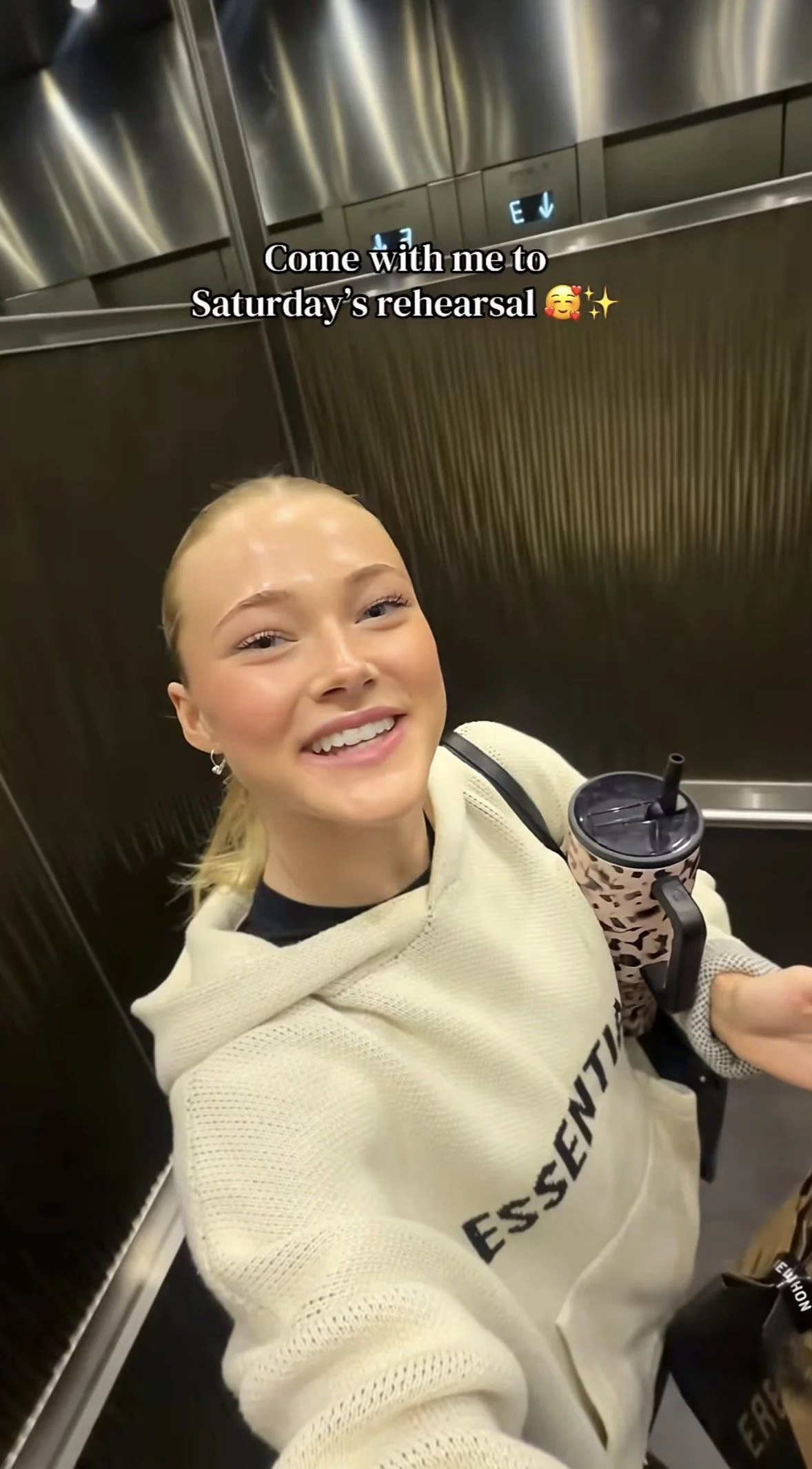
Casting influencers has also helped introduce the show to younger viewers. Someone who follows Charli D’Amelio, Alix Earle, or Connor Wood might tune in to support them without having watched Dancing with the Stars before. Then, as they watch each week, they can become invested in the other couples too. Their interest in one person gives them a reason to try the show, and the show gives them a reason to stay.
Now, social media has become a huge part of the Dancing with the Stars experience. Throughout the week, the couples post videos following trends, rehearsal vlogs, and posts encouraging fans to vote for them. Even when an episode isn’t airing, the show is still showing up on my feed. I think this works because of the relatability and authenticity. It reminds me of listening to a podcast: the more you hear someone talk, joke, and share their experiences, the more connected you can feel to them. You start caring about the person beyond what originally brought you to their content.
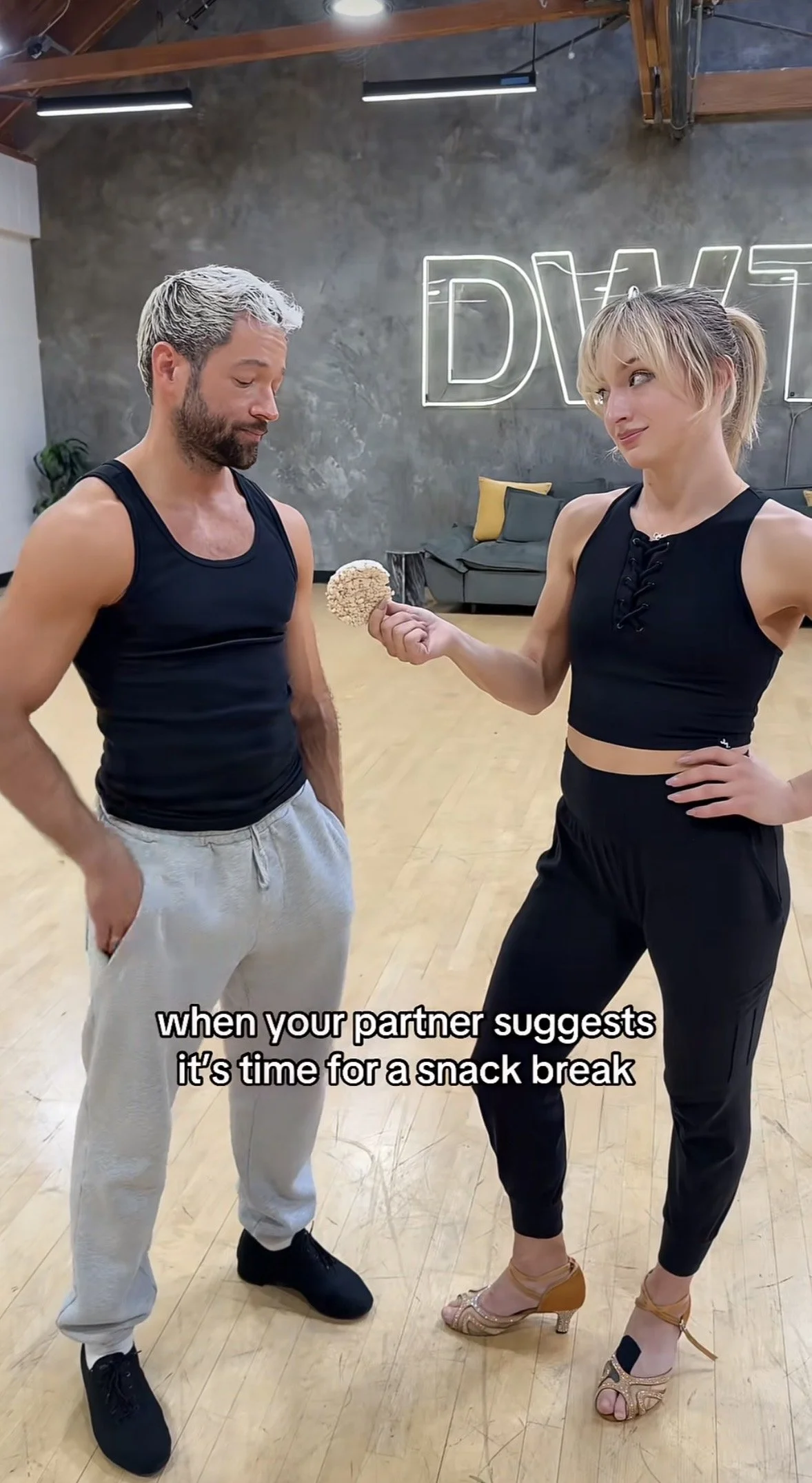
On the show, we only get to see a heavily produced rehearsal package before each performance. Those clips give us some background, but they can only show so much. But through social media, we get more of the little moments: the mistakes, the friendships, and the personalities that might not make it into the episode. Now people aren’t only watching for the celebrities. Some of the professionals have bigger followings than their partners. Rylee Arnold, for example, has around 2.1 million TikTok followers, compared with her partner Connor Wood’s 1.4 million. So someone could easily start watching because they are a fan of Rylee. The professionals are becoming part of the draw themselves, and their social media lets that interest continue through the week. It begs the question of what we are voting for when we watch the show - we are of course assessing the dance, but we may also be voting for the pros and celebs that we have grown to enjoy following throughout the week. I know I have definitely done this!
Social media charisma can also help a weaker dancer stay in the competition longer than a technically stronger dancer because fans feel more connected to them. We saw this last week when actor Jenna Dewan was eliminated. Dewan is a professionally trained dancer who has performed with Janet Jackson and NSYNC and famously starred in Step Up. This week, Harry Shum Jr., who once toured as a backup dancer for Beyoncé, went home after he and his partner, Jenna Johnson, earned perfect scores for both of their semifinal dances. Just like that, two of the strongest dancers this season were out before the finale. Meanwhile, so much of the excitement and conversation on my feed has been about comedian and podcaster Connor Wood, who came in with no dance experience. People connect with his personality and root for him because he works hard and improves each week. His videos give viewers more chances to get to know him and become invested in his progress. At that point, the vote becomes about more than who the best dancer is; it is also about who people feel connected to and want to keep watching each week.
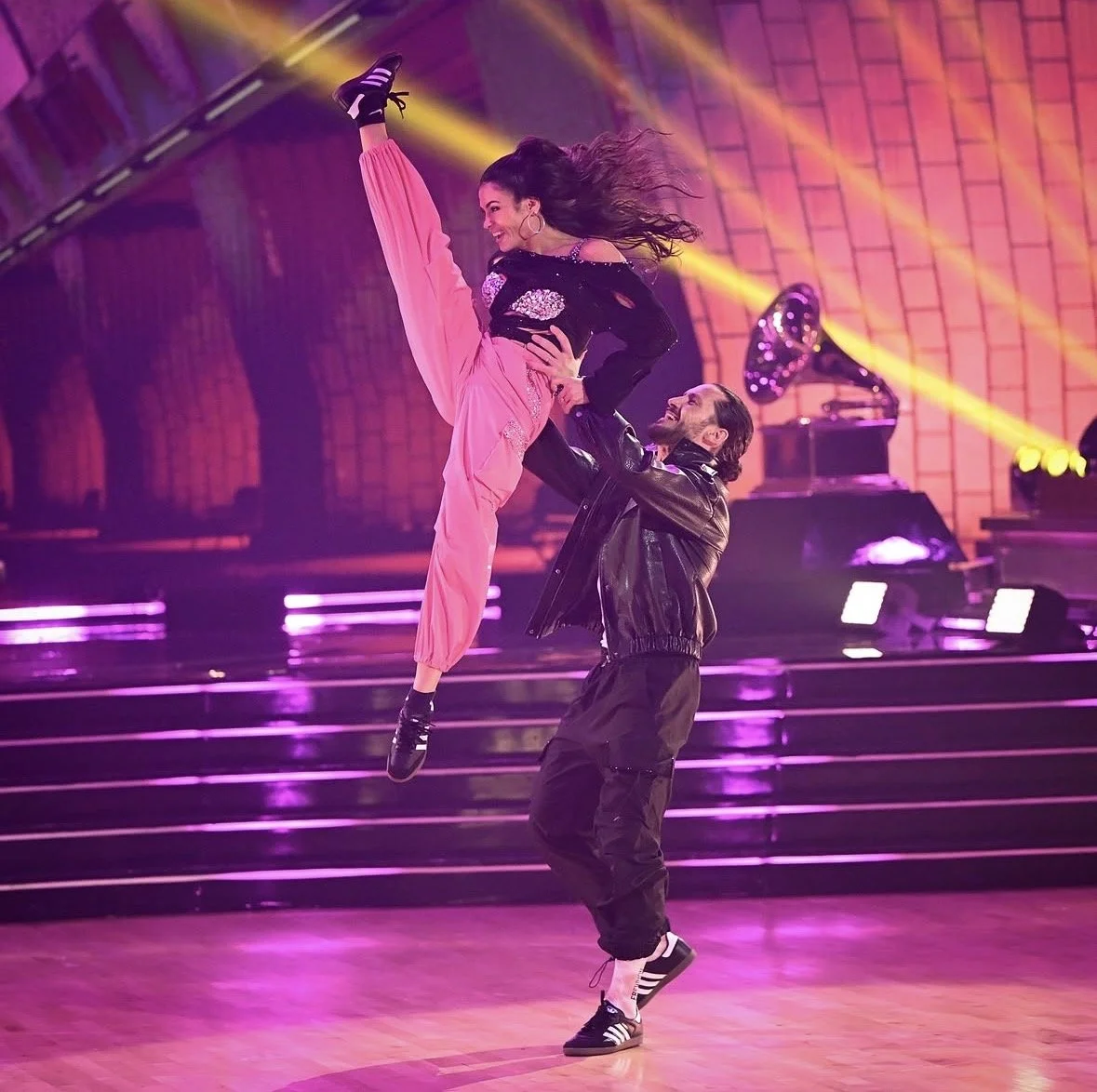
Then there is the community aspect. Reddit forums, Facebook groups, and Instagram chats are dedicated to discussing the show. Viewers post their weekly reactions and encourage others to vote for their favorite couple. I often go online after watching an episode to see what other people thought and whether they noticed the same things I did. Being invested in the show has also gone beyond watching and talking about it online. I’ve already taken two beginner ballroom classes myself.
It is not only Dancing with the Stars; social media has had a similar effect on reality TV and how fans interact with it. I only started watching Love Island and The Secret Lives of Mormon Wives last summer because everyone was talking about them online. I think this stems from wanting to be “in the know” and part of the conversation. When my feed is full of reactions and references I don’t understand, I get curious. Eventually, watching clips isn’t enough; I want to watch the show so I can formulate my own opinion. Next thing I knew, I was five seasons deep in The Secret Lives of Mormon Wives.
Dancing with the Stars knows its show doesn't end when the episode does. The Gen Z pros share their rehearsals and growing friendships with their partners; influencer contestants bring people who already care about them, and fans give everyone something to discuss afterward. By the time Tuesday rolls around, I’ve spent the week watching the couples rehearse, reading people’s predictions, and deciding who I’m rooting for. Of course I want to know what happens next. The episode may only air once a week, but I’ve been following the show every day. Dancing with the Stars has reached a new generation of viewers, and its popularity has skyrocketed along with it.