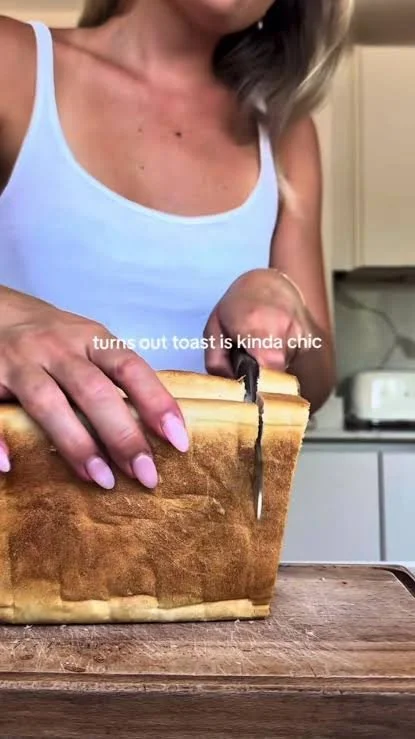
Months back, I came across a TikTok with the sentiment “turns out toast is kinda chic” and I have to admit, I laughed out loud. This video, and the videos that stitched it, garnered millions of views and had people talking. One comment on the video simply reading “It’s f*cking toast” getting over 200k likes. Some found it amusing, embracing it as a funny and satire joke. But to most, it created talk over trend fatigue. Now, we’ve reached a point where absolutely anything, like toast, can be described as chic.
Somewhere down the tiktok buzzword pipeline, chic became less of an adjective and more of a way to describe a certain aesthetic. It’s no longer enough to simply enjoy something, rather, we have to categorize everything into a particular aesthetic, lifestyle, or when it comes down to it, brand.
Toast is chic. Drinking matcha is chic. Getting 10k steps a day is chic. I wouldn’t be surprised if someone said going grocery shopping is chic. But, I can’t stop thinking about this specific video.
Why the hell are we calling toast chic? When did everything become chic?
The buzzword of the month
Lately, it feels like a new word to describe everything remotely attractive or cool appears out of thin air every other week. From aesthetic, effortless, swag, demure, niche, timeless, and countless others to chic, these words go from ones with specific meaning to becoming everyone’s favorite way to describe literally anything. Suddenly, that white tank top and low-rise jean outfit isn’t just an outfit, it’s effortless. Your morning routine isn’t just a routine, you want to fit the “clean girl aesthetic.” And apparently, your breakfast isn’t just breakfast, it’s chic. Now when people use these words, they don’t even exemplify the things they’re trying to describe. For example, the ultimate goal of looking effortless is to look as though you haven’t tried at all, despite the countless videos explaining exactly how much effort is required to achieve the look. Nothing should look intentional, even though every single detail has been accounted for.
Taste, or knowing what to call it
think there’s something more interesting happening underneath the “TikTokification” of it all. Calling something chic isn’t just about the thing itself but about the person saying it. Using these words suggests that you have an eye for certain things, that you understand a particular kind of style that most don’t, and that you recognize something other people might overlook. It can feel like you’re part of an ingroup most people can’t reach. And that’s part of what makes something cool: the feeling that not everyone has access to it. There’s a certain satisfaction in discovering a brand, object, band, show, or even a word before it becomes widely recognized. It gives people a way to distinguish themselves while also giving a feeling of connection to others who share the same interests. It also gives people cultural capital. Taste functions as a form of social currency. Knowing which designers to follow, which brands to recognize, or which ordinary objects are worth paying attention to can communicate something about your social world. It isn’t always about how expensive or unattainable something is, but about knowing what it can represent. But what happens when everyone starts doing the same thing? A word that once felt meaningful quickly lost its appeal when it became mainstream. When chic starts describing everything from designer handbags, daily routines, to toast, it becomes less distinctive and more like another TikTok buzzword. Suddenly, a word that signaled taste and sophistication makes someone sound like a “tryhard.” And just like that, we start looking for the next word that will make us feel in the know.
The problem with being trendy
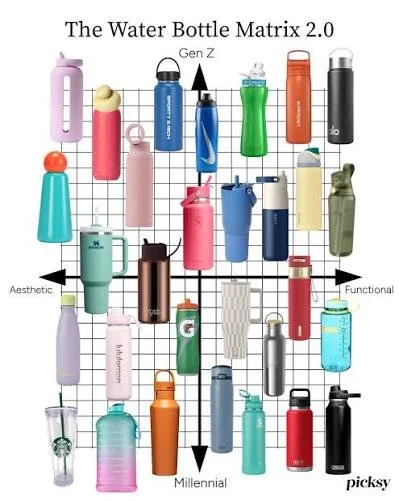
The same cycle happens with products. Think about the Goyard Tote. At one point, carrying one felt like a subtle sign of taste and exclusivity, with one bag costing anywhere from $2,200 to $4,500. But as more people started buying them and dupes became widely available, the bag lost what made it desirable. The same thing happened with water bottles. We went from the Hydro Flask to the Stanley to the Owala to the hundreds of niche and impractical water bottles on the market. An item gets discovered by a few, typically celebrities, becomes popular, loses its exclusivity, and gets replaced. There’s a huge business in this cycle where brands profit from our desire to belong, but also from our desire to stand out once everyone else starts belonging, too.
Let toast be toast
Let me just say I’m not against trends and certainly not against the word chic. I find myself using these buzzwords and following trends. But I think we’ve become so accustomed to assigning everything an aesthetic that we’ve lost some of our ability to simply describe things. Not everything needs to be elevated, iconic, or chic. Most times something can just be beautiful, interesting, or something of your own taste. The problem isn’t calling toast chic, it’s that we’ve started to treat taste like something we have to constantly prove. We want to belong, but not too much. We want to follow trends, but never look like we’re following them. Maybe that’s the exhausting part of constantly searching for the next thing that makes us feel different from everything else. Toast could be chic, or not. Either way, it’s still toast.