ASL Isn’t a Skill — It’s a Shift in Perspective
The first thing my ASL instructor taught me wasn’t a sign. It was how to look at someone.
Not glance. Not scan the room. But look, with intention, presence, and patience. In a university where communication often means speaking quickly, presenting confidently, and saying the right thing at the right time, this felt almost radical. Learning American Sign Language didn’t just teach me how to communicate without sound. It forced me to rethink what communication actually is.
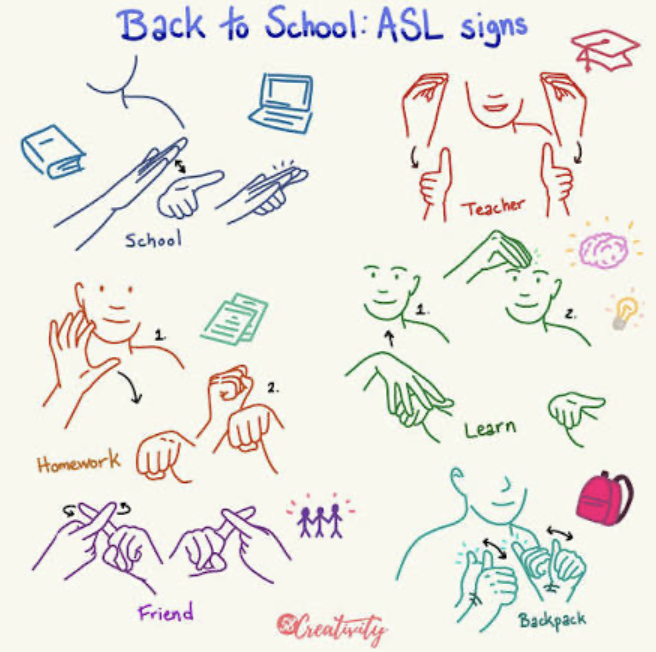
At NYU, we are constantly communicating in classrooms, on stages, through screens, and across subway platforms. We speak, write, post, perform. Yet ASL made me realize how much of our communication depends not on words, but on attention.
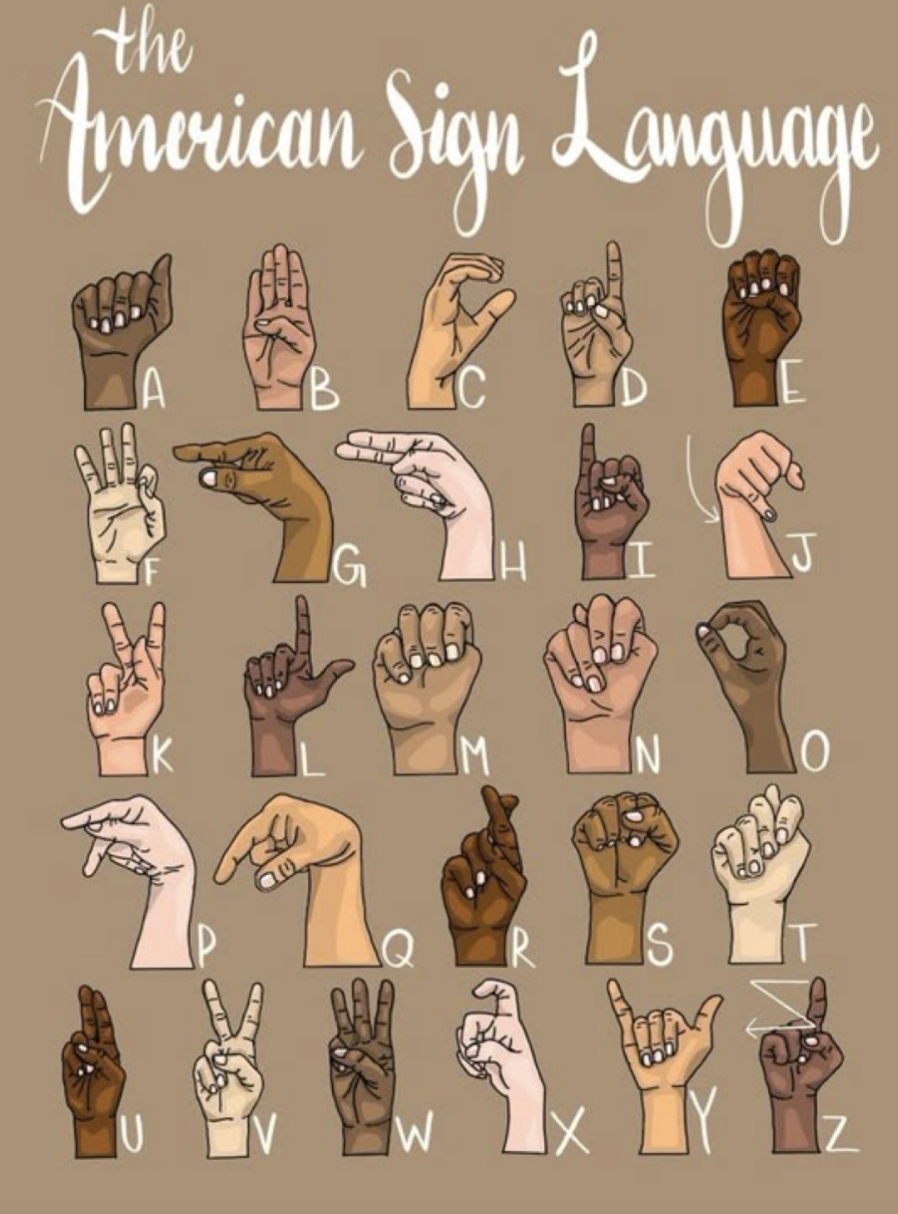
ASL is often described as a “useful skill,” something to add to a résumé or fulfill a language requirement. But that framing misses the point. Learning ASL is not about memorizing signs. It is about shifting how you understand connection.
In ASL, communication is physical. Meaning lives in facial expressions, posture, movement, and space. Silence is not empty. It is intentional. Listening is not passive. It is active, embodied, and mutual. You cannot look at your phone and understand someone signing to you. You cannot half-listen. You either show up fully, or you don’t communicate at all.
That realization followed me outside the classroom.
I began noticing how often we treat communication as performance rather than presence, how quickly we speak to fill silence, how easily we multitask during conversations, and how rarely we make sustained eye contact. ASL exposed how much meaning we lose when we prioritize efficiency over understanding.
Learning ASL also reshaped how I think about accessibility. Accessibility is often discussed in institutional terms—captions, accommodations, policies—but ASL reframes it as something relational. I remember sitting in a group discussion where one person was signing and the rest of us were speaking. At one point, I started to jump in out of habit, then stopped, realizing the conversation had to move differently. The room slowed. People waited to make sure everyone could follow, repeated points visually as well as verbally, and made eye contact instead of talking over one another. No formal “accommodation” was announced, yet the space felt more inclusive than many rooms designed to be accessible on paper. ASL raises a quieter, more personal question: who are we making space for in our conversations? And who is being excluded, not by intention, but by habit?
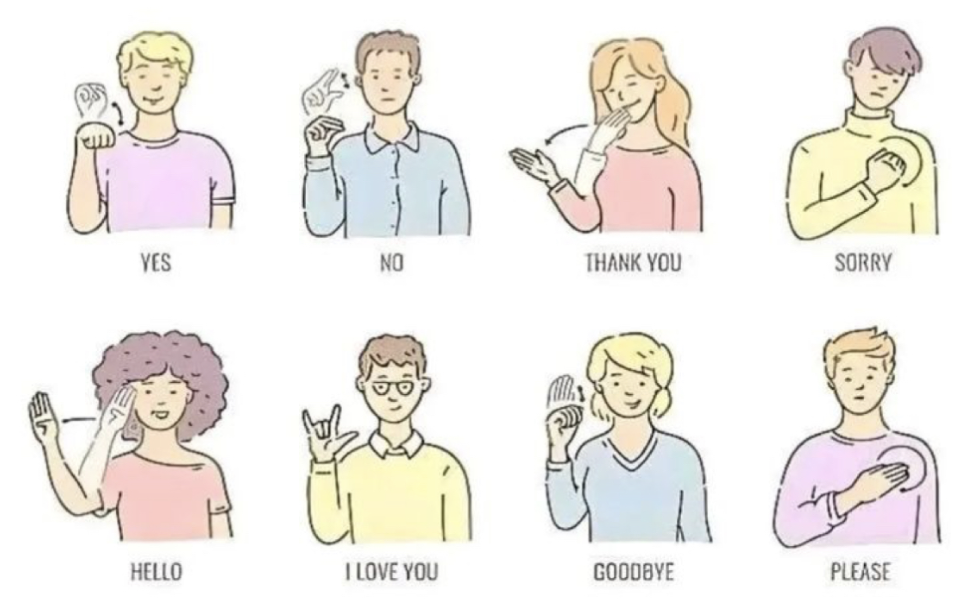
In a city as loud and fast as New York, ASL offers a different rhythm. It slows communication down. It demands clarity. It asks you to be aware not only of what you are expressing, but how it is being received. In that way, ASL doesn’t feel like learning a new language so much as unlearning old assumptions about communication.
What struck me most was that ASL doesn’t allow for autopilot. You cannot communicate while disengaged. You cannot hide behind filler words or vague phrasing. Every movement has meaning. Every expression matters. That level of intentionality is something many of us — especially communication students — could benefit from carrying into spoken language as well.
Learning ASL didn’t make me a better speaker. It made me a better listener.
And perhaps that is the most important lesson it offers. In a university filled with voices striving to be heard, ASL reminds us that communication begins not with speaking, but with seeing — really seeing — the person in front of us.
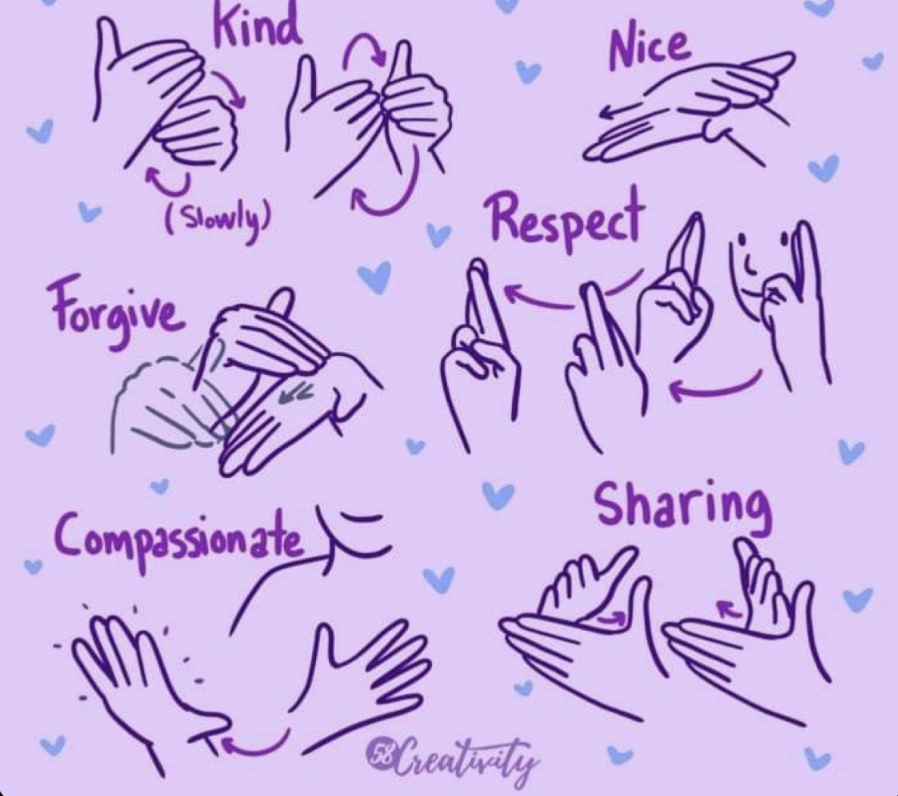
ASL isn’t just a skill. It’s a shift in perspective, one that asks us to slow down, pay attention, and recognize that communication has always been about more than words.