Why Is It Cool Now?
Scroll through Instagram and TikTok, or walk through Coachella, and you’ll see it everywhere: fragments of South Asian culture, detached from their origins, rebranded as a new trend or aesthetic. A dupatta worn with a dress becomes the iconic “Scandinavian scarf,” a bindi becomes a festival accessory, and chai becomes a “chai tea latte.” Practices, symbols, and aesthetics that carry centuries of meaning have been cherry-picked based on how glossy, palatable, and marketable they are.
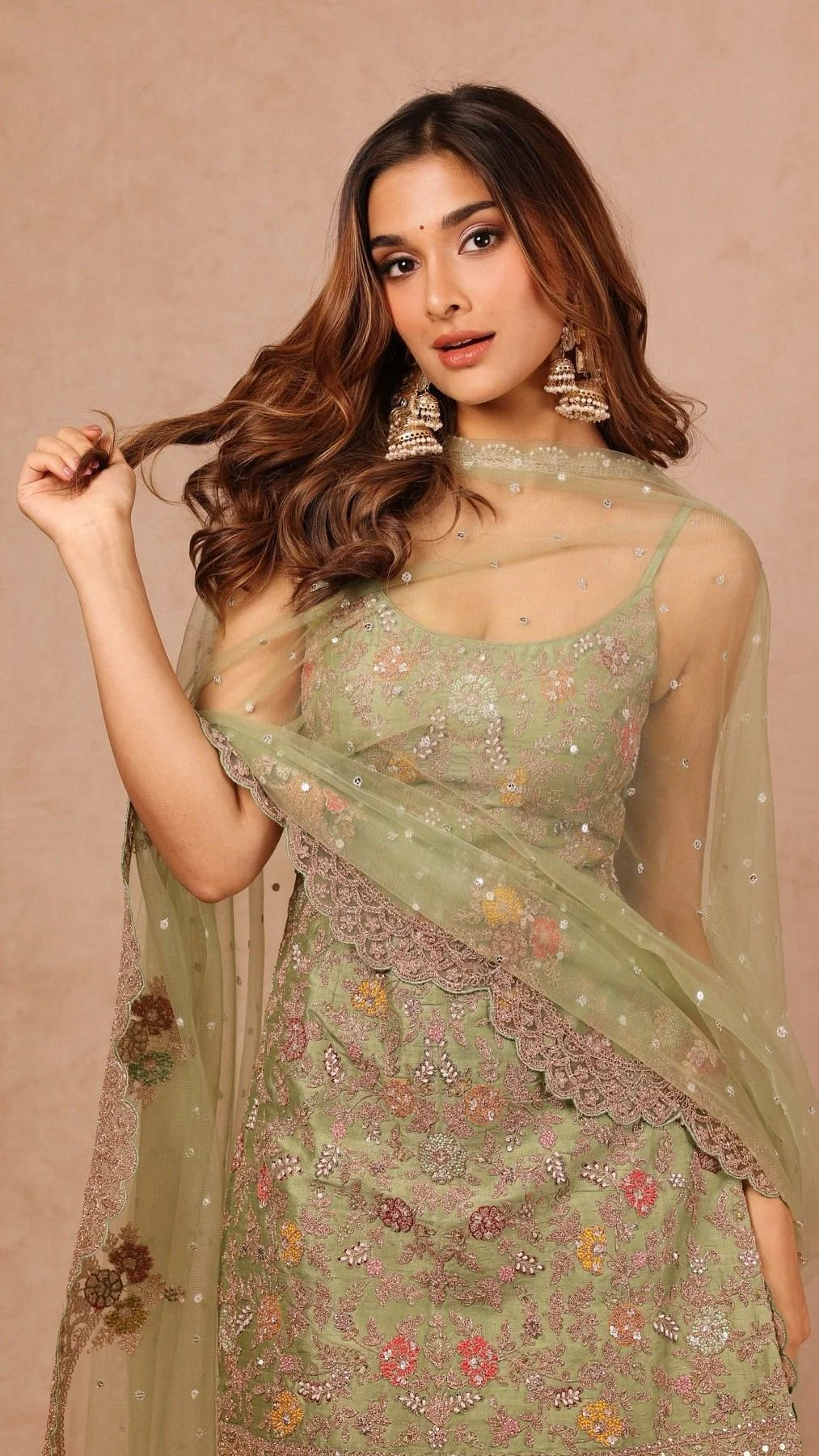

Of course, this isn’t necessarily a bad thing. In fact, it signifies the spread of South Asian culture and maybe even global appreciation for it. However, beneath the vibrant visuals lies a deeper question: who benefits when culture is reinterpreted and repackaged for global consumption, and what is lost? Additionally, it raises questions about which aspects of cultures are adopted into social media and global culture, while others are erased or mocked.
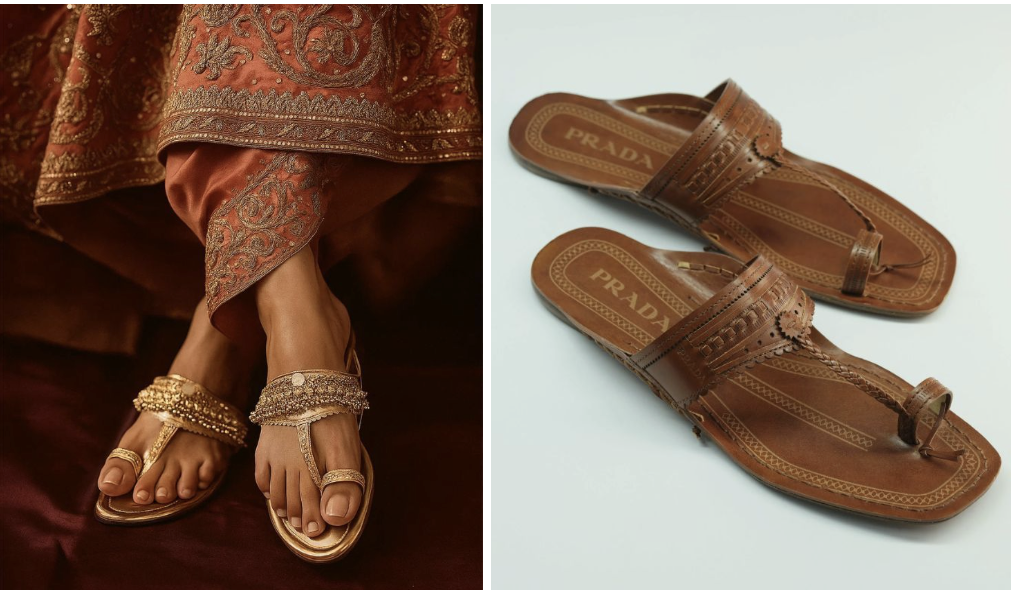
The concern doesn’t lie in the appreciation of the culture, but rather in how the Western fashion industry has rebranded elements without crediting their origins. In recent years, luxury labels have released “Prada kolhapuris,” beaded dresses that resemble Indian embroidery and textile art, and “sher boho scarves” that mirror dupattas. These everyday cultural staples are made and sold by Western brands for significantly higher prices, taking away profits from traditional companies and artists. For example, Prada’s kolhapuris sell for around $900, while traditional ones made in India typically cost around $15 to $20.
This kind of aestheticization thrives because it looks good on camera. Platforms like Instagram and TikTok amplify whatever is eye-catching, easily digestible, and fits neatly into global trends. South Asian culture is rich in color, design, and symbolism, making it a perfect fit for this visual economy. However, when tradition is reduced to a trend and stripped of its context, authenticity is devalued, coming second to aesthetic appeal.
Ayurveda, for example, is a holistic Indian system of medicine that has been repackaged by Western wellness brands as an ancient “detox secret,” marketed through minimalist branding and expensive oils. For example, hair oiling, turmeric face masks, and yoga. Once a spiritual practice rooted in self-discipline and peace, yoga has become a fitness commodity that is symbolized less by meditation and more by matching sets and lifestyle influencers.
I don’t think this is about gatekeeping these practices or saying that only South Asians are allowed to engage with them. It’s about questioning why these rituals are so often mocked or ignored when they exist within South Asian communities, but suddenly celebrated once they’re adopted, taught, or sold by non-POC influencers and brands. Practices like hair oiling, turmeric masks, or yoga are reframed as “self-care” or “clean living” only after being filtered through Western aesthetics and algorithms. The media plays a huge role in this shift, deciding what looks aspirational and who gets to embody these aesthetics. The issue, then, isn’t cultural exchange itself, but the distribution of visibility and value, as the same practices and styles are often devalued on brown bodies and elevated on others.
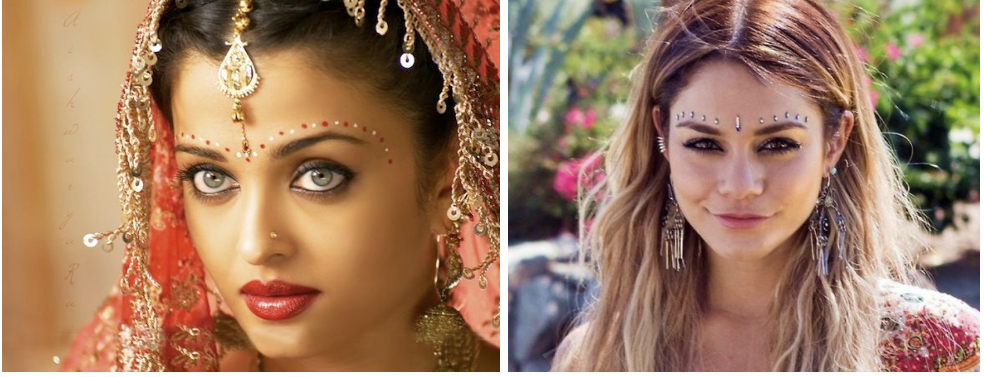
As someone who grew up around these practices, it’s hard not to notice how differently they are received depending on who is performing them. What was once seen as “too ethnic” or embarrassing becomes aspirational the moment it fits into a Western aesthetic. This disconnect forces us to ask uncomfortable questions about whose culture is allowed to be visible, whose knowledge is trusted, and whose traditions are profitable. Moving forward, the objective is not to reject these trends, but to consider the truth they reveal: that appreciation is still filtered through power, and that true respect requires not just replication, but recognition.