Witch Trials and the Birth of Bad PR
The Salem witch trials are often remembered as a moral panic, a theological crisis, or a historical warning. But they’re also something else: an early, nearly perfect case study in how narratives can spread, mutate, and overpower truth. Long before viral tweets, crisis PR teams, or 24/7 media cycles, Salem fell victim to a runaway communication collapse that feels uncannily familiar today.
Strip away the 17th-century setting, and the mechanics resemble a modern media spiral. It was fueled by rumor, accelerated by fear, legitimized by authority, and reinforced by a tightly connected community. In many ways, the witch trials mark the accidental birth of bad PR in America.
It began with a handful of young girls acting strangely, followed by whispers of witchcraft. In a town with no newspapers, no radio, no screens, word-of-mouth became the dominant communication channel, a hyperlocal platform where information spread quickly, emotionally, and without verification. In 1692, Abigail Williams accused Elizabeth Proctor of afflicting her with witchcraft, a claim that set off a chain of accusations across Salem Village, turning private fear into public panic.
Think of it like the original For You Page:
Sensational content spread the fastest.
People shared first and questioned later.
Emotion drove engagement.
The more dramatic the accusation, the more eagerly it circulated. In communication terms, these stories weren’t just viral; they were contagious.
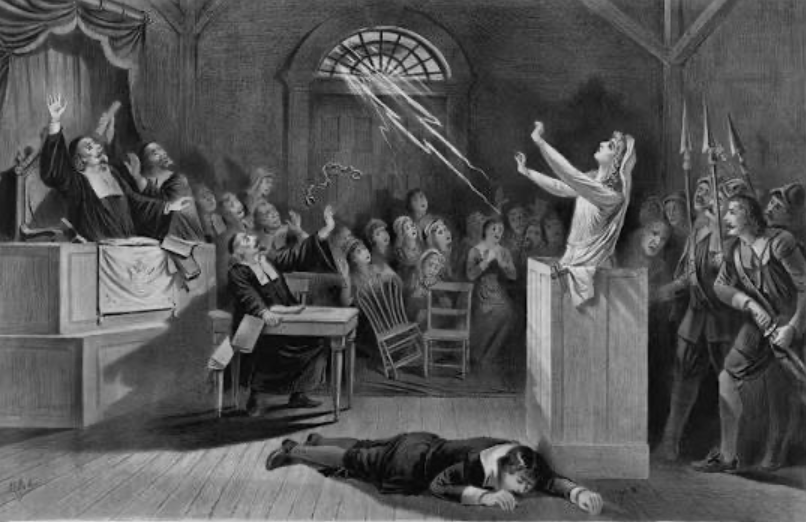
Fear as the Algorithm
If word-of-mouth was Salem’s social platform, fear was its algorithm.
Much like today’s platforms elevate posts that spark outrage or anxiety, Salem’s community rewarded stories that reinforced their deepest fears. The more terrified people felt, the more likely they were to accept and repeat anything that aligned with that emotion.
When Betty Parris and Abigail Williams claimed to see specters of townspeople tormenting them, neighbors panicked, interpreting ordinary events, like a cow’s illness or a sudden death, as proof of witchcraft.
Fear optimized engagement.
Engagement escalated hysteria.
Hysteria amplified the narrative.
This is why entire reputations collapsed overnight. Once someone became the “main character,” every action was interpreted through a lens of suspicion, the same dynamic we now see in dogpiling, cancel culture, and misinformation spirals.

Authority as a Force Multiplier
Fear spreads rumors between people, but authority turns circulating suspicion into perceived truth. In Salem, ministers, magistrates, and community leaders acted as the original “verified accounts.” Their words carried disproportionate weight, creating a top-down amplification effect that made accusations feel credible even when they weren’t. When Reverend Parris publicly declared that witchcraft was at work in his household, it gave legitimacy to the girls’ claims and sparked further accusations. When respected figures validated the rumors, the community believed them; by the time they questioned them, it was already too late. This mirrors a modern crisis-communication truth: once a narrative gains momentum, even experts struggle to correct it. Authority doesn’t just influence perception—it multiplies it, turning whispers into accepted reality.
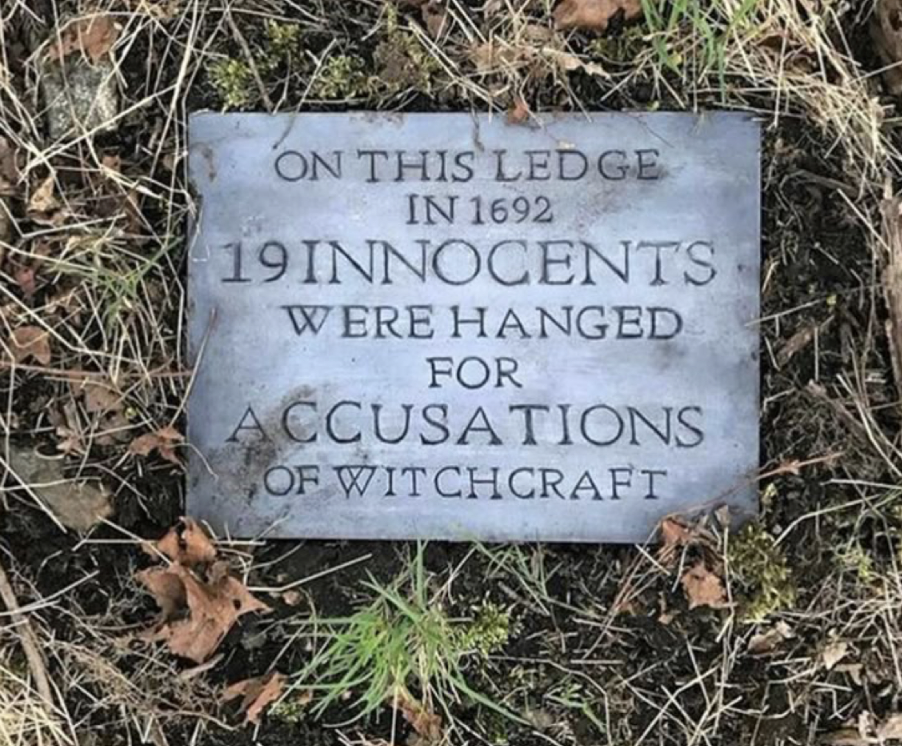
Echo Chambers Before the Internet
Echo chambers are often assumed to be a digital phenomenon, but Salem existed within one long before online spaces existed.
The town was small, religiously unified, and socially insular, an ideal environment for confirmation bias. People received information from the same sources, interpreted it through a sharede worldview, and reinforced one another’s anxieties.
In communications terms, Salem wasn’t failing; it was functioning exactly like a closed information loop.
The result?
Rumors didn’t just survive, they multiplied
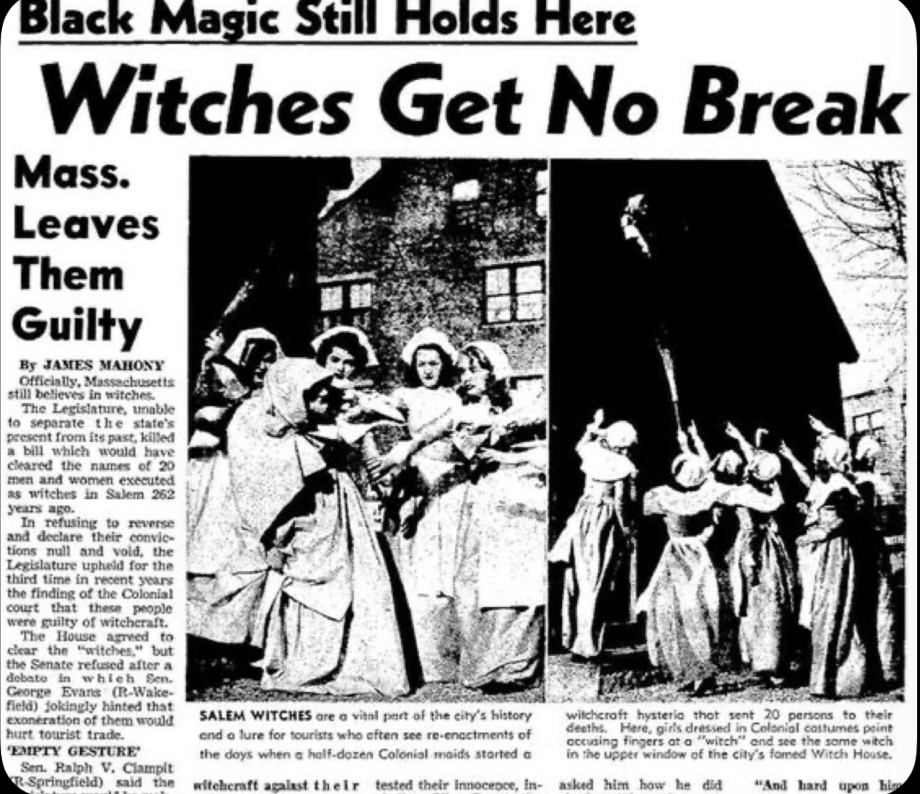
Reputation Collapse in Real Time
Ironically, the accused individuals became some of the earliest examples of crisis PR subjects. Without lawyers, publicists, or social media to defend themselves, they relied on personal testimony and community perception, a losing battle once the narrative defined them.
Some tried to deny.
Some tried to discredit the accusers.
Some attempted to highlight their previous good standing.
For instance, John Proctor insisted he was innocent and even brought forward affidavits from neighbors vouching for his character, but it did little to halt the momentum of the accusations.
It didn’t matter.
Once labeled, they became a symbol, not a person.
This is the same challenge brands and individuals face today when misinformation outpaces fact. The narrative becomes reality.
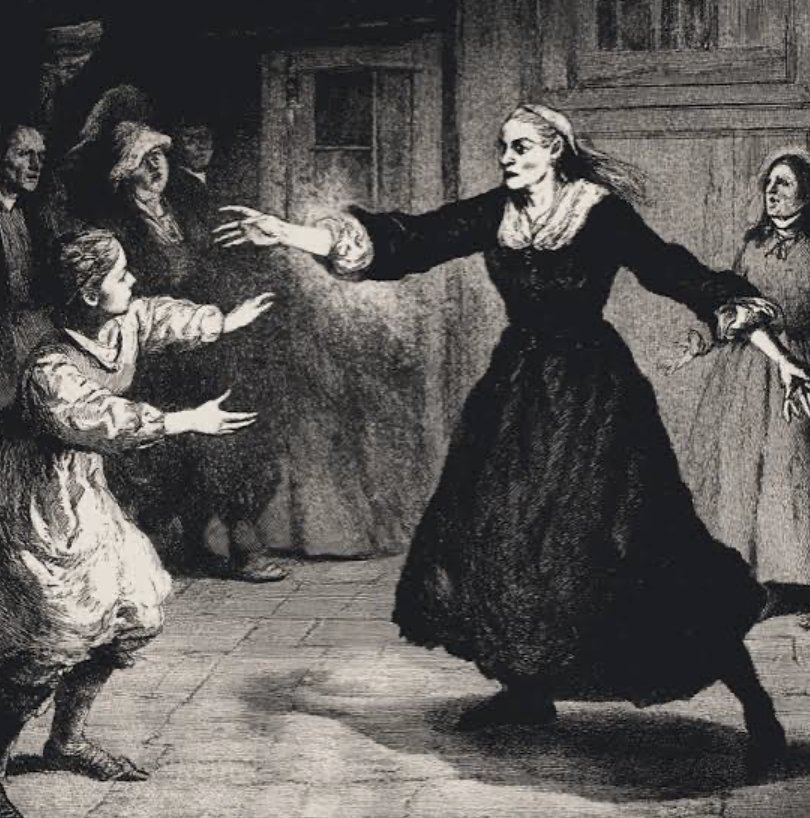
What Salem Teaches Us About Modern Communication
What makes the witch trials so compelling for communication students is how recognizable the mechanics are. Strip away the historical setting, and Salem becomes a case study in:
Crisis communication failure
Misinformation virality
Narrative amplification through fear
Authority-driven credibility
Community echo chambers
Reputation destruction through rumor
Salem wasn’t an isolated event, it was an early warning of how human communication systems behave under pressure. And today’s digital platforms have simply accelerated what was already true:
Stories spread quickly, fear spreads faster, and unchecked narratives can become catastrophic.
The Past Is the Blueprint
“Before Twitter, there was Salem” is more than a catchy line. It’s a reminder that communication challenges aren’t new. The tools have changed, but the human impulses driving virality, rumor, and crisis remain the same.
For communicators, strategists, and media thinkers, Salem is more than a historical tragedy. It’s an early blueprint of what happens when narratives take on a life of their own, and why the responsibility to communicate clearly, ethically, and thoughtfully has never mattered more.