Bridging the GAP Between K-pop and Western Music: How KATSEYE Turned a Denim Ad Into a Cultural Moment
There is a specific kind of pop culture moment that feels bigger than marketing. It is when an advertisement stops feeling like an ad and starts feeling like a movement.
This is exactly what happened when Gap launched its “Better in Denim” campaign featuring global girl group KATSEYE. “Better in Denim” did not just sell jeans. It redefined how pop groups can be introduced to global audiences and how brands can meaningfully connect with Gen Z through representation.
Who Is KATSEYE and How Did They Come to Be?
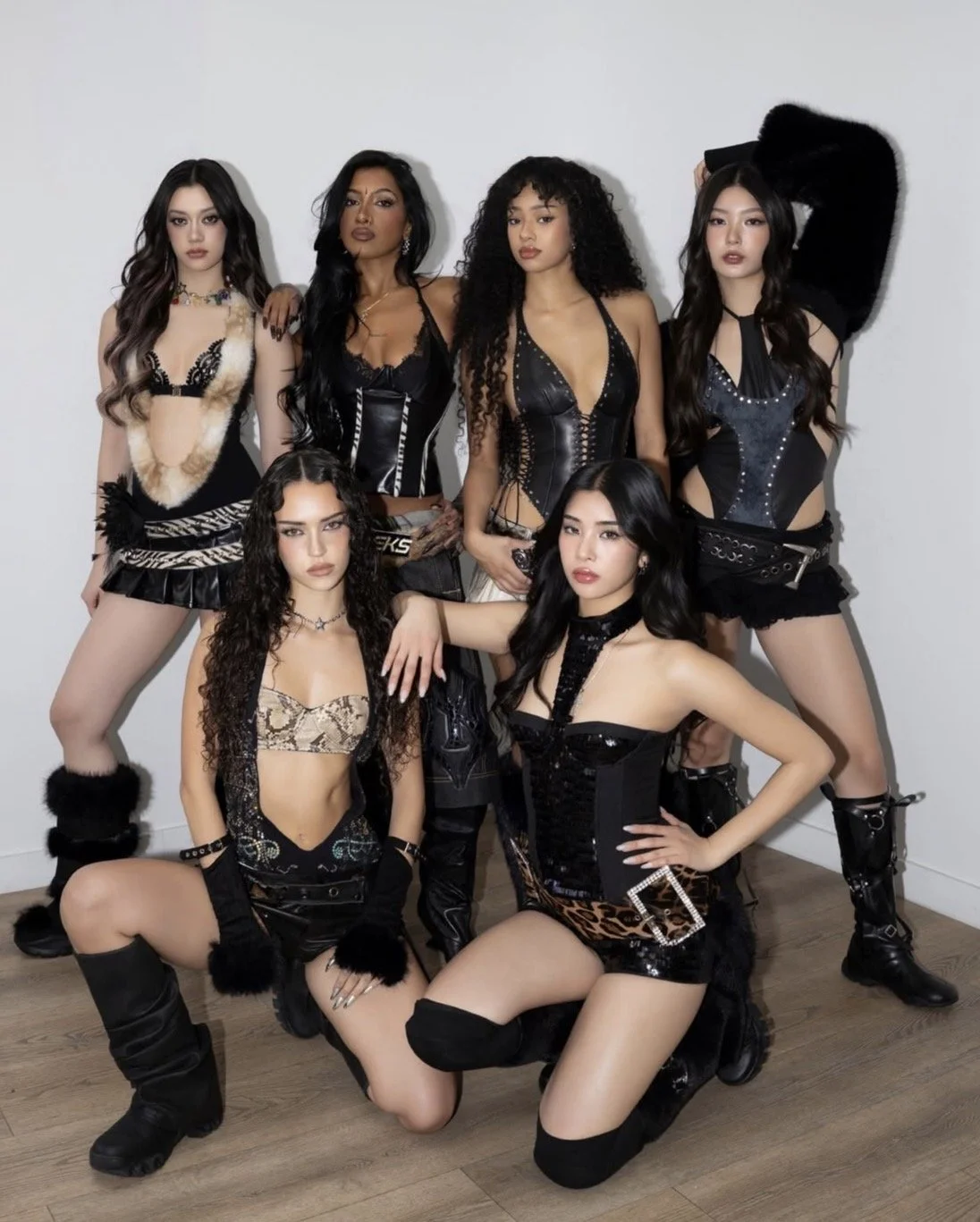
KATSEYE is a six-member global girl group created through a collaboration between HYBE Corp and Geffen Records. KATSEYE includes: Manon, Sophia, Megan, Yoonchae, Daniela, and Lara. Their formation was documented through a highly publicized training and selection process that later became known through the documentary, Pop Star Academy: KATSEYE.
Unlike traditional Western pop groups, which are often formed relatively quickly through talent competitions like The X Factor that group aspiring artists together and give them immediate exposure, KATSEYE was intentionally developed through a long-term system inspired by K-pop’s trainee program - a process that typically trains individuals for multiple years before debuting them as idols.
What makes KATSEYE stand out is that they were built with global reach in mind from the very beginning. There are multinational members that speak different languages, allowing them to resonate with international audiences rather than being limited to the mainstream Korean market. Recently in the music industry, we see how music labels shift their focus to the global audiences.
K-Pop and Western Pop: Similarities and Differences
Pop music from the East and the West share a familiar focus on star power, visuals, and mass appeal, but they differ in structure.
Similarities:
Star power, an eye-catching visual identity, and commercial appeal are quite important for both K-pop and Western pop. Artists rely on well considered performance aesthetics and intentional branding in every business to influence how their fanbases views them. Fan interactions are crucial. Devoted communities of these artists can boost streaming statistics and concert revenues, all while providing support. From social media to fashion to choreography and music videos, all factors allow artists to get recognition, maintain their relevance, and expand their cultural influence across platforms and markets.
Differences:
Western pop traditionally centers individual artists and organic breakout moments, where performers often gain early visibility with less formal preparation. In contrast, K-pop operates through an intensive trainee system. Agencies hold large-scale auditions, conduct weekly evaluations, and train artists for years and years before debut. Often, this process ranges from 2-5 years. This system trains tightly coordinated group performances, vocals, dancing, and talent. Popular groups such as Blackpink, TWICE, and EXO all emerged from this structured model.
KATSEYE’s Key Differentiators
KATSEYE exists at the intersection of these two approaches. Their music and image feel accessible to Western audiences, aligning with global pop sensibilities and immediate visibility. At the same time, their discipline, synchronization, and visual storytelling reflect K-pop’s influence.
The members underwent rigorous training in dance, vocals, stage presence, media awareness, and brand consistency - preparing them not just as singers or dancers, but as cohesive performers. In a digital era where visuals often travel faster than sound, this foundation is especially valuable.
This hybrid positioning sets KATSEYE apart: they combine Western-style accessibility with K-pop’s long-term development and performance precision, allowing them to move seamlessly between music releases and global campaigns.
How the Gap Campaign Became a Viral Moment
Gap’s “Better in Denim” campaign launched in August 2025 and centered on a dance-driven video featuring KATSEYE. The campaign leaned heavily into movement, confidence, and nostalgia, pairing modern choreography with a classic Gap aesthetic. This is why their campaign was such a huge success, unlike Sydney Sweeney’s with American Eagle. Sweeney’s campaign caused a lot of controversy; many felt the close - ups were objectifying her body and the ad promoted eugenics.
The “Better in Denim” response was immediate and massive. Within the first three days, the campaign generated over 20 million views. Across platforms, it eventually reached hundreds of millions of views and billions of impressions. Gap reported that the video became its most viewed and shared campaign in years, breaking internal records for engagement.
Beyond virality, the campaign translated into real business impact. Following the release of the KATSEYE campaign, Gap reported double-digit growth in denim performance and increased foot traffic both online and in stores. Executives pointed to the collaboration as a key driver of renewed brand momentum, particularly among Gen Z consumers the company has been working to reconnect with.
In an era where many viral campaigns fail to convert into sales, Gap’s collaboration with KATSEYE stands out as a rare example of cultural relevance and commercial success working together. The campaign felt organic. Rather than just a basic “commercial”, viewers were able to connect and turn the buzz into different movements.
Representation, Diversity, and Global Appeal
One of the most important elements of KATSEYE’s success is their diversity. KATSEYE includes Daniela (Cuba/US), Lara (India/US), Manon (Switzerland/Ghana), Megan (US/Chinese heritage), Sophia (Philippines), and Yoonchae (South Korea), collectively representing multiple countries and cultural identities, which mirrors the global audience they are reaching - hence the strength of their GAP campaign.
This was not presented as a marketing tactic, but as a natural part of who they are.
Their diversity allowed the campaign to feel inclusive without being performative. Viewers could see themselves reflected in the group, whether it was through style or cultural identity. Gap’s decision to highlight a group like KATSEYE signaled a shift toward more inclusive storytelling and a recognition that global culture is no longer centered in one place.
Why This Moment Matters
The success of KATSEYE and Gap represents a larger shift in both music and marketing. It shows that K-pop systems can successfully integrate into Western industries without losing authenticity. It proves that audiences can respond to energy and inclusivity more than traditional advertising. And it highlights how brands can become cultural participants rather than just advertisers.
KATSEYE did not just bridge the gap between K-pop and Western pop. They showed what happens when those worlds collaborate. The result was a campaign that felt fresh and exciting while also driving real business impact. In many ways, this moment marks the future of pop culture.