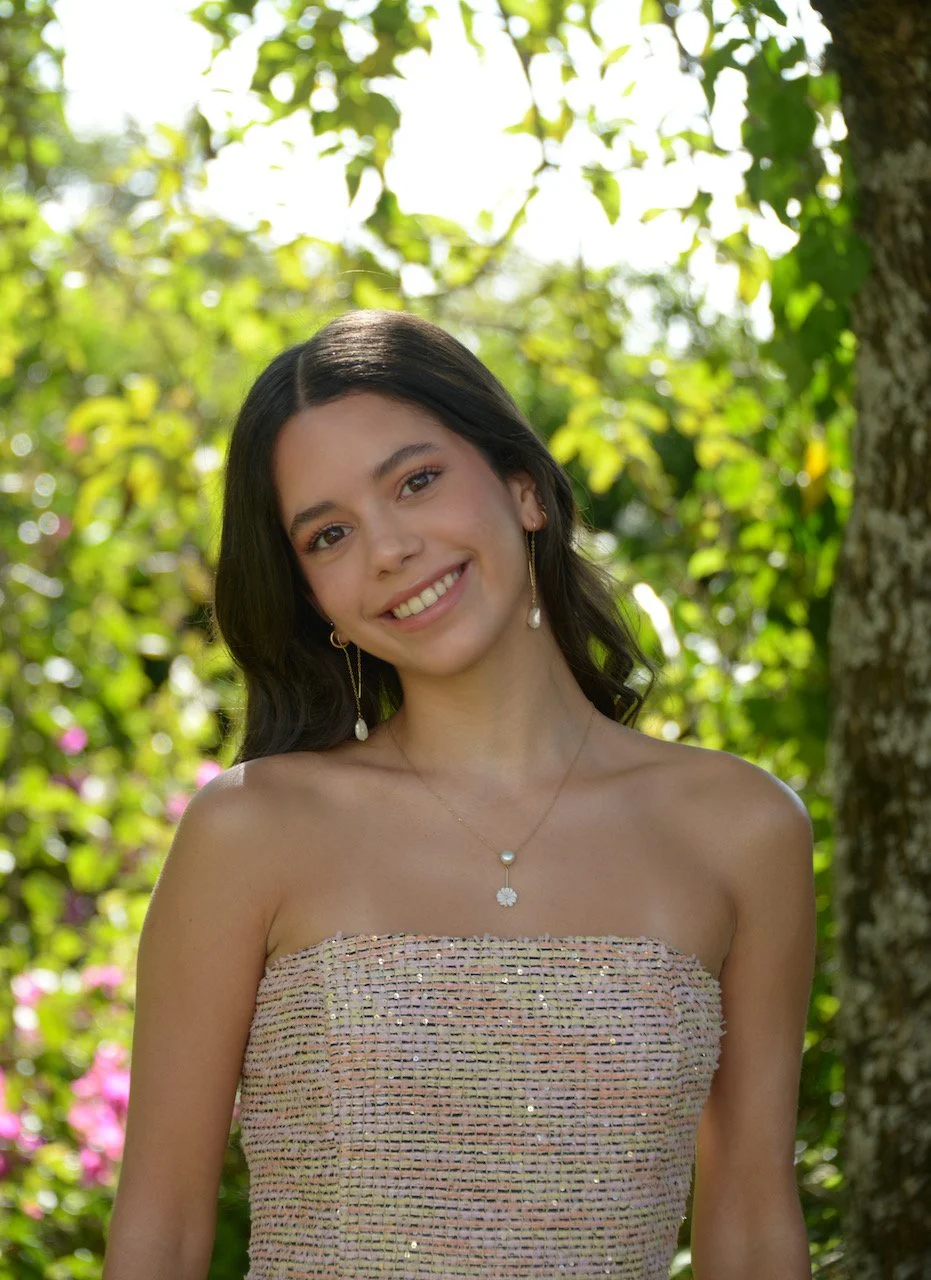
A pop star, a Greek queen, a novelist, a suburban mom running from dinosaurs. On paper, they have nothing in common. In 2026, they all had the same face.
Anne Hathaway released five movies this year, and her latest, Verity, gave her her third number one film at the box office. That would be an impressive run for anyone, but it’s even more striking for an actress the internet once decided to be tired of. So how did she do it? Not by hiding, and not by taking over every screen at once. She did it by being everywhere in a way that somehow never felt like too much.
The Fall
Not too long ago, liking Anne Hathaway was considered embarrassing. The backlash, nicknamed “Hathahate,” built during the 2013 awards season and peaked after she won her Oscar for Les Misérables. Her acceptance speech was widely mocked, and she was called too earnest and too eager. It got loud enough that the New York Times asked, “Do we really hate Anne Hathaway?” It also had real consequences: she later said studios hesitated to hire her because her online image had become so toxic. One director didn’t flinch. Christopher Nolan kept working with her, and more than a decade later he cast her as Penelope in The Odyssey.
The Comeback
By October 2026, the numbers made the turnaround impossible to ignore. Her year started in April with Mother Mary, a pop-star psychodrama alongside Michaela Coel. In May came The Devil Wears Prada 2, which reunited her with Meryl Streep, Emily Blunt and Stanley Tucci and passed $600 million within weeks. In July she was Penelope in The Odyssey. In August she survived the sci-fi suburban chaos of The End of Oak Street. In October, Verity closed out the year at number one, her third chart-topper after Prada 2 and The Odyssey.
The Strategy: Spacing and Timing
The run didn’t work just because of how many films came out, but also when they came out. Her releases landed in April, May, July, August and October, so there was always a new Hathaway moment just as the last one faded. Nobody got a chance to say “enough.”
I can’t tell you this was a master plan. Studios set release dates, and several of these films were shot close together in 2025. Hathaway herself has said a year like this probably won’t happen again. But whether it was careful planning or lucky scheduling, the effect was the same. She stayed visible without ever becoming exhausting.
The Strategy: Range
The spacing kept people from getting tired of her. The range gave them a reason to keep showing up. Each film asked the audience for something different. In Mother Mary she’s a pop star, and she even sings. In The Odyssey she’s a queen waiting twenty years for her husband to come home. In The End of Oak Street she’s a suburban mom trying to keep her family alive. In Verity she’s a struggling novelist pulled into something much darker. And in The Devil Wears Prada 2, she revisits Andy Sachs twenty years later, as a different person. Five roles, five genres, and not a single repeat. That’s hard to get sick of.
The Bigger Picture
Her year says as much about us as it does about her. Why do we turn on people so fast, and welcome them back just as fast?
Part of the answer is that the hate was never really about her. Critics at the time pointed out that there often wasn’t a real reason behind it, and some argued that sexism played a role, since she was punished for seeming eager in a way male stars rarely are. Hathaway became a punching bag for something bigger than her.
Part of it is that we feel like we know celebrities. Psychologists call it a parasocial relationship: a one-sided bond where you feel close to someone who doesn’t know you exist. That closeness makes us feel entitled to judge someone’s personality, not just their work.
Part of it is how social media works. Piling on is cheap, fast and rewarded with attention. Once the mood tips against someone, joining in feels like belonging, and staying quiet feels like risk.
And the speed works in both directions. Within a few years, the headlines had flipped, with outlets declaring that hating Anne Hathaway was no longer cool. Nothing about her had changed. The internet’s mood had. A lot of “uncanceling” isn’t forgiveness. It’s boredom, or a new target.
There’s also a generational layer. Many of the people buying tickets in 2026 were kids in 2013. They didn’t join the backlash. They grew up on The Princess Diaries and The Devil Wears Prada, so for them, her comeback isn’t a comeback at all.
But her turnaround has limits. Hathaway had two decades of goodwill, a famous franchise, and a director willing to bet on her. Plenty of people who get canceled don’t have any of that.
The Ending
So is Hathaway a new standard for the film industry, or a one-of-one? I think she’s both. The exact combination, a sequel to a 2006 classic, a Nolan epic, an A24 film and a bestselling adaptation in one year, probably can’t be repeated, and it took her entire career to get there. But the lesson underneath it can: stay versatile, don’t oversaturate, and keep showing up.
A pop star, a Greek queen, a novelist, a suburban mom running from dinosaurs: they had nothing in common except the person playing them. And in the end, the face people once rolled their eyes at became the one they paid to see.