“Larp. Larp. Larp!!!”
One word, yet so effortlessly devastating. To be told that your taste is, really, your way of asserting relevance can make you feel out of control.
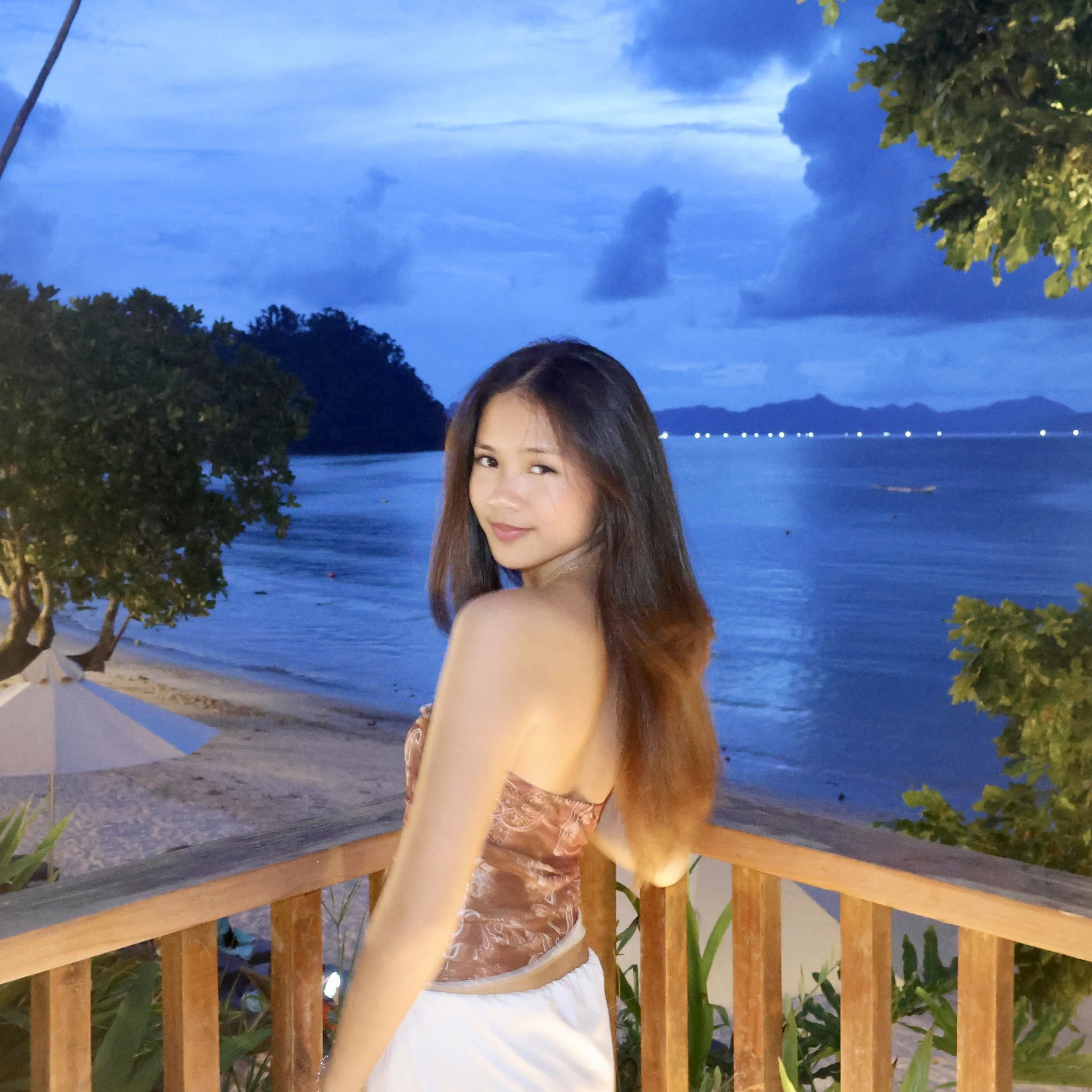
Most tend to describe me as a sweet and traditionally feminine kind of girl. While I recognize the truth in this framing, especially in my sense of fashion and movies, my peer-assigned label of being “girly” has held me back from exploring my own identity and authentic self my whole life.
Long before the hype of the NBA 2025-26 season, basketball had always been a dining table topic at my house. My dad loved to religiously explain NBA politics, draftings, and other happenings to me. Naturally, the information I was soaking in evolved into a small, but nevertheless genuine, interest. During huge events such as the Luka Dončić trade and the Knicks win, taking part in basketball discourse as a female was unfeasible without a passive-aggressive exchange of looks or a “name five players” thrown at you.
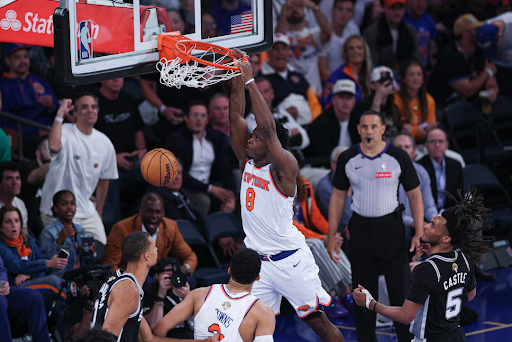
I don’t even claim to be a fan or know more than the average fan. Before my interest had even bloomed, I was already rejected by the “boys club” around the NBA and, in turn, automatically repulsed by it. That is the problem. With fans feeling so entitled to dictate who is in or out of the fandom, the essence of its identity is lost. How can we know what a “real” fan is “supposed to be” if existing members refuse diverse, authentic voices at the door? How can we be so sure that athletic masculinity is the standard of NBA fandom when anyone who doesn’t fit the mold is shut out on arrival? In normalizing accusations of “larping” and performativity as weapons, we are setting ourselves back to a time where gender acts as barriers for interests and willingly letting our world be divided.
The Irony
In the age of postmodernism, society has grown to celebrate the “outcast.” Seeing conventional misfits and subcultures become widely accepted has given us a false sense of complete healing–the utopian idea that anyone can be anything. We often say “in the big 2026” or “it’s 2026…why is ___ still ___?” to signify how evolved we’ve come to be. Yet, we still find ourselves asking if we can partake in things we think we don’t belong to. “Will people think I’m larping if ___?” my friends and I ask each other. “Will people find it ‘pick-me’ if we join?” my girl friend, who could easily body the boys with the ball, asked me. If we truly lived in a supposedly “woke” utopia where everyone is accepted, we wouldn’t still question what we can and can’t like.
When we exclude newcomers, perhaps it’s not that we doubt their potential of being a “fan.” Perhaps our aversion to letting someone in ties to how we feel about them. Naturally, we are attracted to the homogenous, unified aesthetic of tribes. It’s seen in the way we follow hashtags we think we belong to, dress up accordingly for specific concerts, and look for people who share our nationality on vacation. Sometimes, we simply don’t want to associate with someone so drastically different. Deep down, we know that letting them in would create the impulse to feel empathy for them, and that scares us. What’s ironic about this is that in trying to protect community authenticity, we still feel tenfold more warmth for the “conventional fan” who barely cares about the subject than for the passionate outsider who merely doesn’t fit the aesthetic. However, this doesn’t just go for women with an interest in sports.
The Performative Man
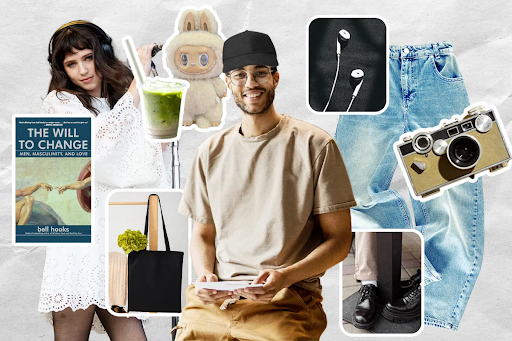
The “performative man” stereotype is applied to a guy who likes matcha, feminine artists (e.g. Clairo), books, and typically alternative fashion. While this meme was admittedly one of the funniest chronically online inside jokes of 2025 and called out actual dating tactics, it communicated to a lot of men that traditional masculinity will always be the prominent, established norm. The stereotype disregards real men who authentically prefer said interests and, even if just occasionally, embrace softer forms of art that girls typically like. We often like to advocate against the hypermasculinity of men, arguing that we ought to encourage them to be vulnerable, passionate, and in touch with their “feminine” side. Yet, we proceed to shut them down when they do. Continuing to do so through labels of performativity will force those who deviate from the masculine norm to eventually devolve into it in order to be accepted.
The Performative Woman
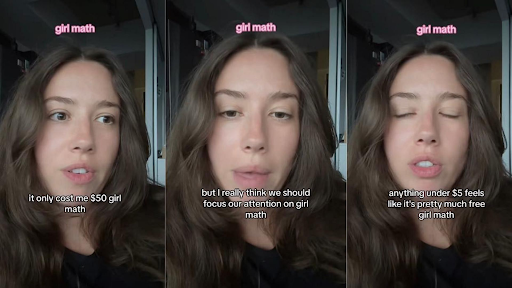
On the opposite end of the binary, women often need to “earn” the right to associate themselves with traditionally masculine interests i.e. sports, video games, rap, cars, and even mathematical disciplines. The more seemingly feminine the woman is, the harder it is for them to earn this right. An exclusivity tactic commonly used by men is overcomplicating concepts –especially in mathematical disciplines like the stock market–as a means to intimidate the woman attempting to break into the “boys club” and ultimately claim their territory. In doing so, they maintain their power of presumably being the only hosts of such knowledge. Women can become so repulsed by the environment that they completely abandon interest and sometimes even embrace the damning stereotypes (e.g. “Girl Math”). Decrying female performativity feeds the male ego and sets women back centuries-worth of progress.
Cause
The recent ascent of “larp” and “performative __” accusations isn’t a random surge of a collective human vice. Mass media in our easy-access world has unfortunately diluted many fandoms. Things that used to be niche interests have multiplied and lost their charm. Even the word “alt,” short for alternative, has ironically become a genre of taste on its own. What used to signal genuine individuality is now a mass-marketed aesthetic with dos and don’ts rather than a fun subculture. In light of that, it stands as a reason as to why we’ve utilized performativity labels as ammunition. Exclusion is an act of fan preservation. Overpopularization doesn’t just kill ego, but it has an effect on how accessible it is to interact with the subject of fandom, how overstated the content has become, and other factors that make the experience more commercialized than human.
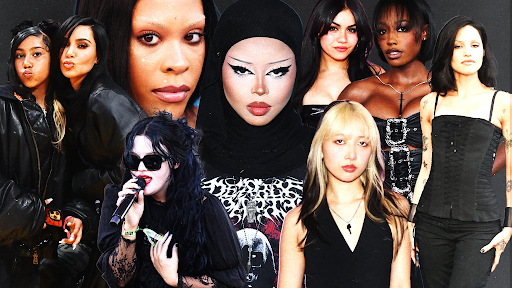
What’s personally always irked me is when a supposedly underground song of mine suddenly becomes claimed by the Tiktok/IG Reels algorithm. It’s deeply frustrating because not only does it lose part of its sensuous appeal from getting overplayed, I also have to watch strangers claim it as theirs–when, to me, that intimacy belonged to me alone. In the words of TikTok, “it’s like seeing an ex.” The experience in connecting with the song becomes tainted when you know it’s no longer unique and is instead universal.
I bring this up to disclaim that I know fan inclusion is no easy task. It’s surely easier said than done, especially when you feel the object of fandom has specifically held you so intimately. It’s that same form of jealousy we feel for our loved ones that, in reality, is an expression of deep admiration. Be that as it may, we don’t disallow people we love from being loved by other people. True love means wanting them to reach the success and esteem we know is much deserved. If we’re capable of converting natural jealousy for loved ones into a willing mindset of “who wouldn’t love them,” why can’t we apply the same willingness to the things we care about?
In trying to preserve our fandoms from getting diluted, we exclude true and excited potential fans in the process. Instead of maintaining things to be categorized as is, why not embrace people who choose to express interest or merely want to try? If we ourselves are “true fans” of the fandom we’re attempting to protect, the act itself is contradictory and we ironically deprecate the validity of the fandom. As people who deem ourselves fans, we should view the popularization of our “niche” as well-deserved and encourage its due glory. The “true fan status” shouldn’t be assigned by the stereotype, look, or criteria of individual capability, but in simple admiration for whichever thing in question.
What Now?
Whether it’s the indie, matcha-loving man or the clueless, “girl math”-using woman, these labels are driving us away far from our homebase of unique human identity. In normalizing the idea of larping as an everyday happening to be stopped, we regress back to a black-and-white world where our lives are decided for us. It’s sexist and exclusive at its core and, frankly, extremely boring.
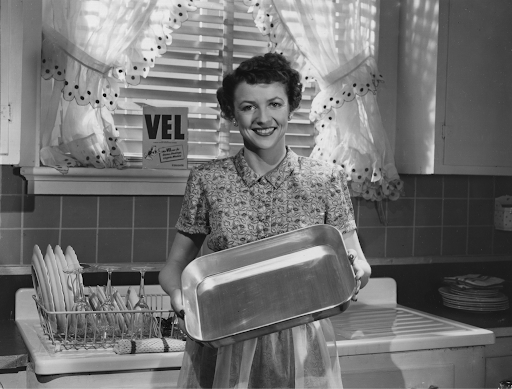
Now, you may be expecting a solution that both effectively protects the uniqueness of our beloved fandoms and does not discriminate against others. Unfortunately, there isn’t one. In order to be inclusive, we must go into it fully and with an open heart. The solution lies in returning to one specific value from childhood: assuming the best of everyone. Treat every newcomer as someone approaching with genuine curiosity, not as an attention seeker.
Let that glam girl listen to Travis Scott and that finance bro enjoy a cup of matcha. We should know by now that the human experience is a complex and messy phenomenon–how can it possibly fit one algorithmic aesthetic? Assumptions rob us of one of the last quiet wonders in modern-day life: the ability to let people surprise us–and the personal freedom to surprise them back.